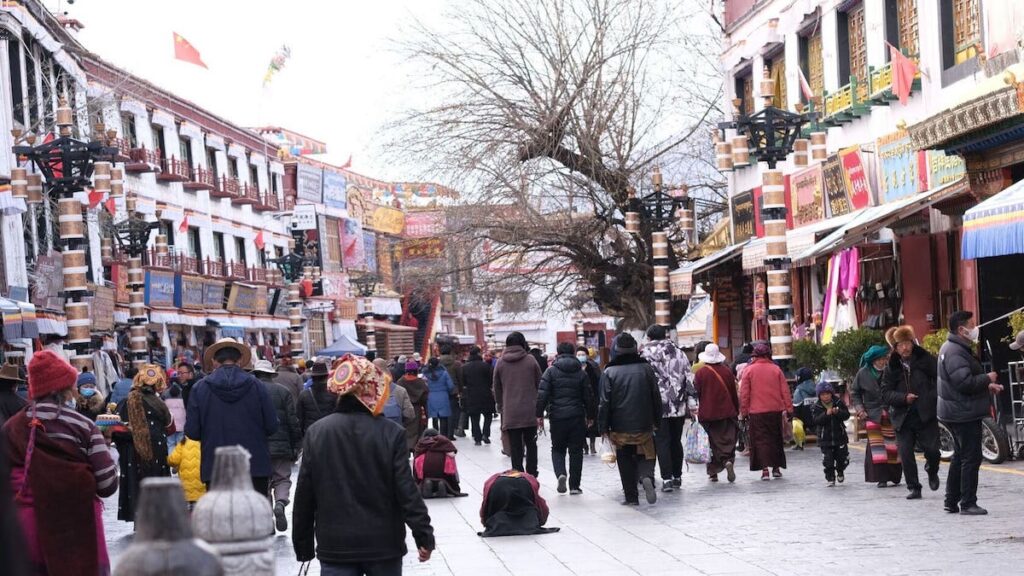

Traveling through Tibet is not an ordinary trip. The altitude, weather, and remote landscapes make every journey unique and sometimes challenging. Many travelers now prefer smaller group tours because they offer a more personal and manageable experience.
Instead of being part of a large crowd, you move at a comfortable pace, get better attention, and experience the destination in a more natural way. This approach helps travelers enjoy the journey without feeling rushed or overwhelmed while still covering major highlights.
When Is The Best Time to Travel to Tibet?
The best time for Tibet Group Tours is generally from April to October when the weather is warmer and more pleasant.
The ideal season depends on your travel interests. For Everest Base Camp tours, May, June, September, and early October offer clear skies, less wind, and excellent views of Mount Everest. For Mount Kailash and western Tibet, May to July and September are best for trekking and witnessing pilgrims on the Kora.
August is ideal for experiencing vibrant Tibetan festivals. Trekking is best from May to September, while winter travel from November to February offers fewer crowds, lower costs, and a chance to observe authentic local life and pilgrimages.
More Comfort Throughout the Journey
Traveling through Tibet is a once-in-a-lifetime experience, and choosing a small group tour can make the journey far more comfortable and enjoyable. Unlike large tour groups, smaller groups provide a relaxed environment, better coordination, and more personalized attention throughout the trip. From smoother transportation arrangements to flexible schedules, travelers can focus more on enjoying the stunning Himalayan landscapes and cultural experiences without unnecessary stress or delays.
1. Easier and More Relaxed Transportation
Small group Tibet tours make transportation significantly more comfortable during long journeys across mountain roads and remote landscapes. Vehicles are less crowded, giving travelers extra personal space to relax and enjoy the scenery. Since there are fewer people to manage, boarding and departure times are quicker, reducing unnecessary waiting periods. This creates a smoother travel experience, especially during long drives between destinations. Travelers can stretch out, enjoy conversations, and experience the journey in a calmer atmosphere without feeling rushed or overcrowded throughout the trip.
2. Better Accommodation Experience
Accommodation arrangements are often easier and more organized in small group tours. Hotels and guesthouses in Tibet may have limited capacity, especially in remote regions, so smaller groups can secure better room arrangements more efficiently. Travelers usually experience faster check-ins and fewer logistical issues. Small groups also create a quieter and more peaceful atmosphere at hotels after long travel days. Instead of dealing with large crowds, guests can relax comfortably and enjoy a more personal travel experience, which becomes especially valuable in high-altitude destinations where rest and comfort are extremely important.
3. More Personalized Attention from Guides
Tour guides can provide better support and attention when traveling with smaller groups. They can answer individual questions, adjust the pace when needed, and ensure everyone feels comfortable throughout the journey. In Tibet’s high-altitude environment, travelers may require extra guidance or assistance, and smaller groups allow guides to monitor everyone more carefully. Travelers can also enjoy deeper cultural explanations and more meaningful interactions during monastery visits and sightseeing tours. This personalized approach helps create a safer, smoother, and more enjoyable experience for every member of the group.
4. Less Waiting and Better Time Management
Large tour groups often experience delays because coordinating many people takes more time. Small group Tibet tours reduce these issues significantly, allowing the itinerary to run more smoothly and efficiently. Travelers spend less time waiting for others during meal breaks, hotel check-ins, or sightseeing stops. This gives more time to enjoy attractions, take photos, and truly experience Tibet’s landscapes and culture. Efficient coordination also reduces stress during travel days, helping travelers maintain energy and comfort throughout the journey rather than feeling exhausted by constant delays and crowded schedules.
5. Greater Comfort in High-Altitude Conditions
Comfort becomes especially important while traveling in Tibet because of the region’s high-altitude environment. Small group tours provide a slower, more manageable pace that allows travelers to adapt better to the altitude. With fewer people, guides can pay closer attention to anyone feeling tired or uncomfortable and provide immediate support when needed. Travelers also benefit from quieter environments during transportation and accommodation stays, which helps with proper rest and recovery. This more relaxed travel style can make the entire Tibet experience safer, healthier, and more enjoyable for everyone in the group.
Choosing a small group Tibet tour offers far more than convenience—it creates a smoother, more comfortable, and more personal travel experience from beginning to end. With better transportation, attentive guides, efficient coordination, and a relaxed atmosphere, travelers can fully enjoy Tibet’s breathtaking scenery and cultural richness while traveling in comfort and peace.
Better Safety in High Altitude Conditions
Safety becomes more important when traveling in regions with high elevation. Smaller groups allow guides to closely monitor each traveler’s condition, especially for signs of altitude discomfort.
It is easier to respond quickly if someone needs rest or medical attention. Communication also improves because instructions are clear and not lost in a large group setting. Emergency decisions can be made faster without waiting for dozens of people.
This level of attention helps reduce risks and ensures travelers feel supported throughout the journey in a challenging environment.
A More Real Cultural Experience
One of the biggest advantages of small group travel is the opportunity to connect more deeply with local culture. In large tours, experiences often feel rushed and surface level. In smaller groups, there is more time to interact with local people, observe daily life, and understand traditions without distraction.
Travelers can ask questions freely and spend more time at cultural sites. This creates a more meaningful connection with the destination, allowing the journey to feel less like sightseeing and more like genuine learning and observation.
Flexible Travel Pace and Less Rush
Small groups naturally allow a more flexible travel pace. Instead of sticking to strict schedules designed for large crowds, the itinerary can adjust slightly based on group energy and interest. Travelers get more time at scenic viewpoints or cultural stops without feeling rushed.
This flexibility is especially important in Tibet, where altitude can slow people down. Some may need extra rest, while others may want more time for photography or exploration. A smaller group makes it easier to balance these needs without pressure.
Easier Logistics and Smoother Planning
Managing travel logistics becomes simpler when the group size is small. Hotel check-ins, meals, permits, and transport coordination all run more smoothly. There is less confusion and fewer delays because decisions involve fewer people.
Guides can focus on quality service instead of managing large crowds. This also reduces the chances of miscommunication during the trip. When everything runs in an organized way, travelers can focus more on the experience itself rather than worrying about arrangements or waiting for group coordination.
No Tourist Traps and More Transparent Travel
Small group Tibet tours often help reduce exposure to unnecessary tourist stops that feel forced or commercial. With fewer people, the focus stays on meaningful destinations instead of shopping detours or crowded commercial spots.
Travelers get a clearer experience of the region without distractions that do not add value. There is also more transparency in how the tour is conducted, from pricing to daily planning. This builds trust and allows travelers to feel more confident about where their time and energy are being spent.
Conclusion
Small group Tibet tours provide a more personal and meaningful way to explore the region. With fewer travelers, the experience feels less stressful and more comfortable, allowing better focus on the journey itself.
Travelers receive more attention from guides, which improves safety and support, especially in high altitude areas. These tours also allow deeper cultural exposure, giving more time to interact with local traditions and landscapes. Without large crowds or rushed schedules, the trip feels more relaxed and well paced. Overall, small group tours create a smoother, safer, and more memorable travel experience from beginning to end.
