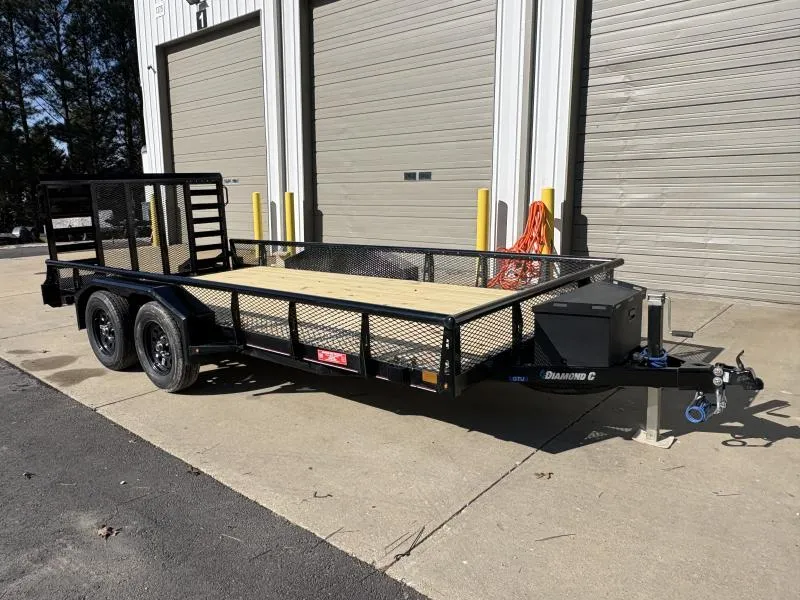

Strong trailer performance depends on build quality, materials, and safety design that support daily hauling demands across industries like construction, logistics, farming, and equipment transport. Reliable trailers reduce breakdown risks, improve road safety, and lower long-term maintenance costs for owners. Buyers often compare Custom Specialty Trailers to ensure their investment matches workload requirements and environmental conditions. A durable trailer must support heavy cargo, resist weather damage, and maintain stability during towing. Careful evaluation of structural strength, suspension quality, braking systems, and protective features helps ensure long-term value and consistent performance under demanding use.
Trailer Durability
Trailer durability reflects how well a structure handles repeated stress from heavy loads, rough roads, and constant towing activity. Strong designs prevent early wear and reduce operational interruptions caused by repairs or failures. A durable trailer maintains stability even under uneven weight distribution and long-distance travel conditions. High-quality construction materials and engineering standards play a major role in long-term reliability. Buyers benefit from trailers designed for sustained performance because they offer fewer breakdowns, safer transport, and improved return on investment across commercial and personal applications.
Strong Frame Construction
The trailer frame acts as the foundation that supports cargo weight and towing pressure, making it one of the most important durability factors. Steel frames deliver high strength for demanding workloads, while aluminum frames provide lightweight performance and better corrosion resistance. Reinforced cross-members help distribute weight evenly, reducing stress on key structural points. High-quality welds ensure joints remain stable during vibration and heavy impact. Poor welding or weak framing leads to premature damage and safety risks, making frame quality a top priority for long-term trailer reliability.
Reliable Suspension System
A strong suspension system ensures smooth towing performance while protecting cargo from excessive movement and vibration. Proper suspension reduces stress on the trailer frame and improves driving control on uneven roads. Leaf spring systems are widely used for their durability and ability to handle heavy loads, while torsion axle systems provide smoother rides and lower maintenance requirements. Both systems offer advantages depending on usage needs. Reliable suspension improves stability, reduces cargo damage, and enhances safety during transport, especially on long-distance or rough terrain routes.
Durable Flooring Materials
Trailer flooring must handle continuous weight, moisture exposure, and heavy equipment movement without weakening over time. Treated wood flooring remains popular for affordability and strength, while steel flooring offers maximum durability for industrial use. Aluminum flooring provides corrosion resistance and reduced trailer weight, improving fuel efficiency. Protective coatings and sealants help prevent moisture damage and surface wear. Regular inspection and cleaning extend floor life by preventing cracks and structural weakening. High-quality flooring materials ensure safe cargo handling and long-term performance in demanding conditions.
Quality Tires And Axles
Tires and axles directly affect towing safety, load stability, and overall trailer performance. Heavy-duty trailer tires are designed with stronger sidewalls and higher load ratings compared to standard vehicle tires. Proper inflation and regular maintenance improve lifespan and reduce blowout risks. Axles support weight distribution and help maintain balance during transport. Tandem axle setups provide better stability and increased load capacity for heavier cargo. Choosing the correct axle rating ensures safe towing and prevents excessive strain on suspension and frame components during long-term use.
Weather Resistance And Protective Coatings
Exposure to rain, heat, road salt, and humidity can weaken trailer components over time without proper protection. Galvanized steel and powder-coated finishes help prevent rust and corrosion, extending structural life. Regular washing removes debris and chemical buildup that contribute to surface damage. Electrical systems also require protection from moisture through sealed connectors and waterproof wiring. Reliable weather resistance improves safety, reduces repair frequency, and ensures consistent performance in different climates. Proper coatings and maintenance significantly increase trailer durability in outdoor working environments.
Secure Braking And Safety Features
Effective braking systems are essential for controlling heavy loads during towing and ensuring safe stopping distances. Electric and hydraulic brake systems provide reliable performance under different load conditions. Properly maintained brakes reduce accident risks and improve vehicle handling. Lighting systems, reflectors, and LED indicators enhance visibility during nighttime or low-visibility conditions. Side markers and reflective tape improve awareness for other drivers on the road. Strong safety features ensure compliance with regulations while increasing protection for both cargo and towing vehicles in all conditions.
Proper Trailer Capacity And Size
Selecting the correct trailer capacity prevents overloading, which can damage structural components and reduce safety. Gross Vehicle Weight Rating (GVWR) helps determine safe hauling limits for each trailer model. Proper sizing ensures balanced weight distribution and better towing control. Storage features like ramps, tie-down points, and compartments improve loading efficiency and cargo security. Matching trailer size to operational needs improves performance and reduces strain on axles, suspension, and tires. Proper capacity planning ensures longer service life and safer transportation across different hauling applications.
Maintenance Features That Increase Longevity
Trailers designed with easy maintenance access help owners perform inspections and repairs more efficiently. Accessible grease points, removable panels, and service-friendly layouts simplify routine upkeep. Early detection of worn components prevents larger mechanical issues and costly repairs. Replaceable parts such as lights, fenders, and flooring sections support long-term usability. Regular maintenance improves performance consistency and extends equipment lifespan. Well-designed trailers reduce downtime and ensure continuous operation, making maintenance accessibility an important factor in overall durability and ownership value.
Choosing The Right Trailer Manufacturer
Manufacturing quality plays a major role in determining trailer reliability and long-term performance. Trusted manufacturers follow strict engineering standards and offer warranties that support product confidence. Customer reviews and industry certifications help identify reliable suppliers. Customization options allow trailers to match specific industry needs such as cargo type, terrain, and usage frequency. Optional upgrades improve efficiency and durability based on operational requirements. Selecting a reputable manufacturer ensures better craftsmanship, stronger materials, and long-lasting performance under demanding working conditions.
Conclusion
A durable trailer depends on strong construction, reliable suspension systems, quality tires, protective coatings, and effective safety features. Each component contributes to safer towing, improved performance, and reduced maintenance costs over time. Proper sizing, maintenance access, and manufacturer selection further enhance long-term value. Investing in a well-built trailer ensures dependable operation across different industries and workloads. Careful evaluation of structural strength and design features helps buyers choose equipment that delivers consistent performance, improved safety, and long-lasting durability in real-world conditions.
