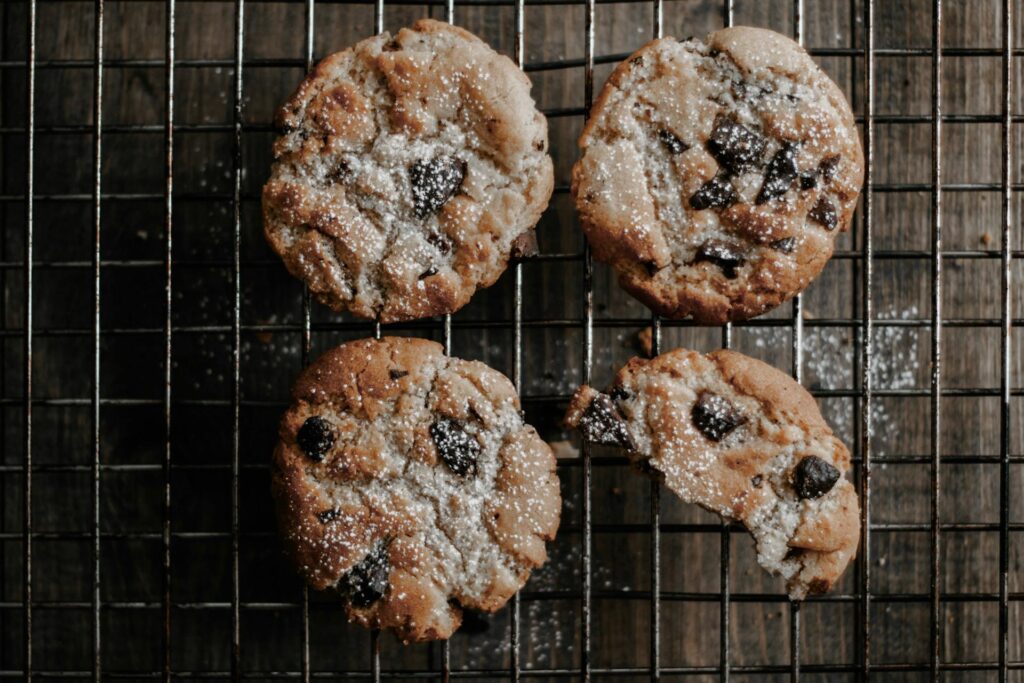

Baking during summer introduces unique challenges that aren’t always apparent until a trusted recipe suddenly goes awry. Butter turns too soft, dough rises too fast, and batters may collapse before they even go into the oven. These changes aren’t random; they stem directly from higher temperatures, increased humidity and seasonal variations in ingredients, all of which impact each step of baking.
What makes summer baking especially tricky is the need to understand how heat alters ingredient behavior. Flour absorbs moisture differently in humid air, sugar dissolves more readily, and yeast becomes hyperactive—all affecting texture, taste, and consistency. Even reliable ingredients like bread flour can perform unpredictably if environmental factors are ignored. Instead of avoiding baking altogether, adapting your methods lets you work with the season rather than fight it. With careful tweaks, summer can become a chance to improve your technique and produce desserts that thrive in the heat.
1. Recognize How Heat Changes Ingredient Reactions
Summer warmth speeds up most chemical processes in baking. Butter softens quickly, eggs warm up faster, and liquids reach room temperature almost immediately. While this might seem helpful, it can throw off a recipe’s balance. Overly soft butter may cause cookies to spread too much, and warm eggs can make batters curdle if added too soon.
Flour is especially sensitive. Bread flour, with its high protein content, can absorb moisture from humid air, changing the feel and performance of dough. A mixture that works perfectly in winter might turn sticky or slack in summer. To counter this, slightly adjusting flour amounts or chilling ingredients beforehand can help. Being aware of these shifts is essential for consistent results.
2. Keep Dough and Batter Temperatures Under Control
Managing temperature is crucial when working in the heat. Yeast doughs, in particular, can overproof rapidly, leading to dense or sunken loaves. Warm conditions also accelerate gluten development in bread flour—useful in some cases, but problematic if not managed.
Using cooler liquids or pre-chilling bowls can help slow things down. If your kitchen is hot, letting dough rest in a cooler spot or refrigerating it briefly can control fermentation and improve predictability. For batters, minimizing exposure to heat and working efficiently helps maintain structure. These small steps go a long way in ensuring ingredients behave as expected.
3. Adapt Liquid Amounts Based on Humidity
Humidity has a quiet but powerful effect on baking. Moist air adds invisible water to dry ingredients, especially flour, altering the recipe’s hydration. Bread flour, known for forming strong gluten, can become heavier when it absorbs extra moisture.
To compensate, you might reduce added liquids or include a bit more flour—but do so gradually. Relying on the feel of the dough or batter, rather than strict measurements, becomes more important. A slightly stiffer dough often holds up better in humid weather, keeping its shape without drying out.
4. Modify Mixing and Handling Methods
Warm conditions increase the risk of overmixing. Ingredients blend more easily when hot, which can lead to excessive gluten formation—especially with bread flour. While this benefits some breads, it can make cakes or pastries tough.
Using gentler mixing techniques and shorter mixing times is often more effective in summer. When kneading dough, watch closely to avoid overworking it. Incorporating rest periods, like autolyse in bread-making, helps develop gluten properly without aggressive handling. Adjusting your method preserves texture and reduces heat-related issues.
5. Fine-Tune Baking Times and Oven Use
Summer baking extends beyond prep—it also involves adjusting for how your oven functions in warmer surroundings. Ambient heat can shorten baking times, causing items to cook faster than expected. This is especially critical in recipes where timing affects structure, such as those using bread flour.
Preheating remains important, but closer monitoring helps prevent overbaking. An oven thermometer improves accuracy, since temperature swings can be more extreme in summer. Baking during cooler hours—early morning or late evening—can also improve comfort and consistency. These practical changes support better outcomes without adding stress.
6. Select Seasonal Ingredients Wisely
Summer brings an array of fresh, flavorful produce that can elevate baked goods. Juicy fruits like berries and stone fruits add natural sweetness and moisture. But their high water content needs to be managed to avoid soggy results.
When using them in recipes with bread flour, balancing moisture is key. Tossing fruit pieces in flour before folding them in helps contain excess liquid. Reducing other liquids in the recipe can also maintain the right balance. Thoughtful ingredient choices let you enjoy the season’s best while still achieving dependable, well-structured results.
_____________
Sun-Kissed Sweets
Baking in the summer calls for a different perspective—one that values flexibility over strict recipe-following and emphasizes responsiveness to conditions. Heat and humidity aren’t just nuisances to endure; they’re factors that need to be understood and managed. By observing how ingredients react in warmer environments, bakers can stay in control and adapt effectively to seasonal changes.
Central to this approach is attentiveness. Whether it’s how bread flour takes on moisture or how rapidly butter warms, every detail influences the final result. Subtle tweaks—chilling ingredients, adjusting dough hydration, or changing mixing methods—can have a meaningful impact. Though each change may appear small, together they help preserve the desired texture and taste of baked items, even when conditions are less than ideal.
At the same time, summer offers room for exploration. The season’s fresh produce and unique baking challenges invite innovation and growth. Rather than seeing high temperatures as constraints, they can be viewed as a chance to deepen one’s grasp of baking as both a precise science and a creative craft.
Good summer baking comes down to balance. It means adapting to the environment, making deliberate adjustments, and appreciating the subtle shifts that warmer weather brings. With the right mindset, even the hottest days can yield desserts that are reliable, enjoyable, and just right for the season.