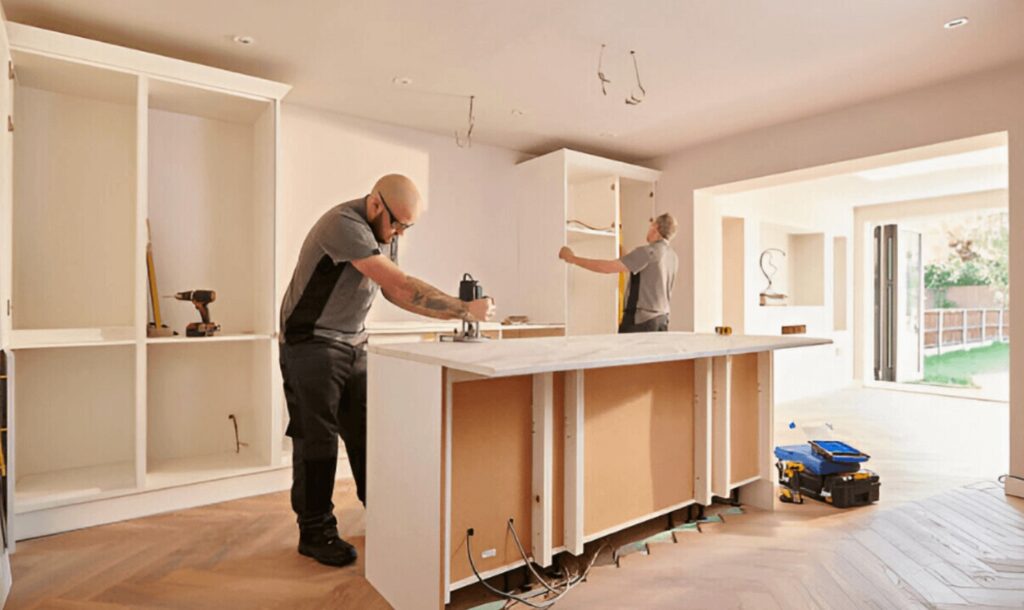

Planning a kitchen cabinet upgrade is one of the most significant investments you can make in your home, especially when considering the precision required for a professional cabinet installation in Austin. While the prospect of a fresh, modern aesthetic is exciting, the process is fraught with potential pitfalls that can lead to blown budgets and functional headaches. What You Should Know before swinging the first hammer is that a successful remodel relies more on meticulous planning and spatial awareness than it does on simply picking out a trendy paint color. Avoiding common errors at the outset ensures that your kitchen remains the heart of the home rather than a source of daily frustration.
Ignoring the Kitchen Work Triangle
One of the most frequent mistakes homeowners make is prioritizing style over the fundamental “work triangle”—the path between the stove, the sink, and the refrigerator. When you are reconfiguring your layout, it is easy to get caught up in how many extra drawers you can fit, but if those drawers block your path or create a cramped workspace, the upgrade fails its primary purpose. Ensure that your new cabinet layout maintains an efficient flow, allowing for multiple people to move through the space without bottlenecking at major appliances.
Selecting Aesthetics Over Durability
It is tempting to choose materials based solely on high-definition photos from design blogs. However, the kitchen is a high-traffic, high-moisture environment. Opting for low-quality particle board or thin veneers just to save a few dollars often results in sagging shelves and peeling finishes within just a couple of years. Investing in solid wood frames or high-quality plywood construction provides the structural integrity needed to withstand daily use. Similarly, choosing a finish that is difficult to clean can turn a beautiful kitchen into a maintenance nightmare.
Poor Measurement and Spatial Awareness
Measurement errors are the most expensive mistakes in any cabinetry project. Even being off by a fraction of an inch can prevent a cabinet from fitting into its designated slot or, worse, prevent a nearby appliance door from opening fully.
- Appliance Clearance: Always measure your appliances—including the depth of the refrigerator and the swing of the dishwasher door—before finalizing the cabinet depths.
- Ceiling and Floor Levels: Most floors and ceilings are not perfectly level. Failing to account for these variances can lead to unsightly gaps or cabinets that look slanted once installed.
- Filler Strips: Don’t forget to include filler strips near walls. Without them, cabinet doors and drawers often hit the wall trim, preventing them from opening to a full 90-degree angle.
Underestimating Storage Needs
A common regret after a kitchen renovation is not incorporating enough functional storage. Many people replace old cabinets with new ones of the exact same size without considering modern organizational solutions. Think about incorporating deep pot drawers, pull-out spice racks, or corner “Lazy Susans” to maximize every square inch. Utilizing vertical space by extending cabinets to the ceiling not only provides more storage for seasonal items but also eliminates the “dust shelf” that typically sits on top of shorter units.
For those looking to balance high-end design with practical local expertise, Cabinet Central Austin offers specialized insights into how to maximize storage while maintaining a sleek, modern look. Their approach focuses on ensuring that the cabinetry doesn’t just look good in photos but performs exceptionally well during heavy meal preparation and social gatherings.
Skimping on Hardware and Lighting
It is easy to view handles, knobs, and hinges as afterthoughts, but they are the “jewelry” of your kitchen and the components you interact with most. Low-quality hinges will eventually squeak or cause doors to hang unevenly. Furthermore, many homeowners forget to plan for under-cabinet lighting. Since cabinets cast shadows over your countertops, task lighting is essential for safety and ease of use when chopping vegetables or reading recipes. Integrating lighting into the planning phase allows you to hide the wiring inside the cabinet carcasses for a seamless look.
Forgetting the Impact of Professional Labor
While the “Do-It-Yourself” spirit is admirable, cabinetry is an area where professional skill is highly visible. Attempting a complex cabinet installation in Austin without the right tools—like laser levels, specialized clamps, and professional-grade saws—can result in visible seams and unstable units. Professional installers understand how to scribe cabinets to crooked walls and how to properly anchor heavy upper units, so they stay secure for decades.
Rushing the Timeline
The final mistake to avoid is rushing the decision-making process. Cabinetry often has long lead times, and once the order is placed, changes are nearly impossible to make without high costs. Take the time to live with your samples in different lighting conditions. See how the wood grain looks at night versus during the bright morning sun. By slowing down during the design phase, you ensure that the final result is a kitchen that reflects your personal style while meeting the rigorous demands of a busy household.
Essential Related Considerations
To truly round out your SEO-friendly kitchen plan, keep these related concepts in mind:
- Custom vs. Semi-Custom: Understand the lead times and price differences between bespoke units and modular options.
- Backsplash Integration: Ensure your cabinet height accounts for the thickness of your chosen tile or stone backsplash.
- Countertop Weight: If you are opting for heavy quartz or granite, verify that your base cabinets are reinforced to handle the load.
- Moisture Protection: Use high-quality sealants around the sink base to prevent water damage from minor leaks.
