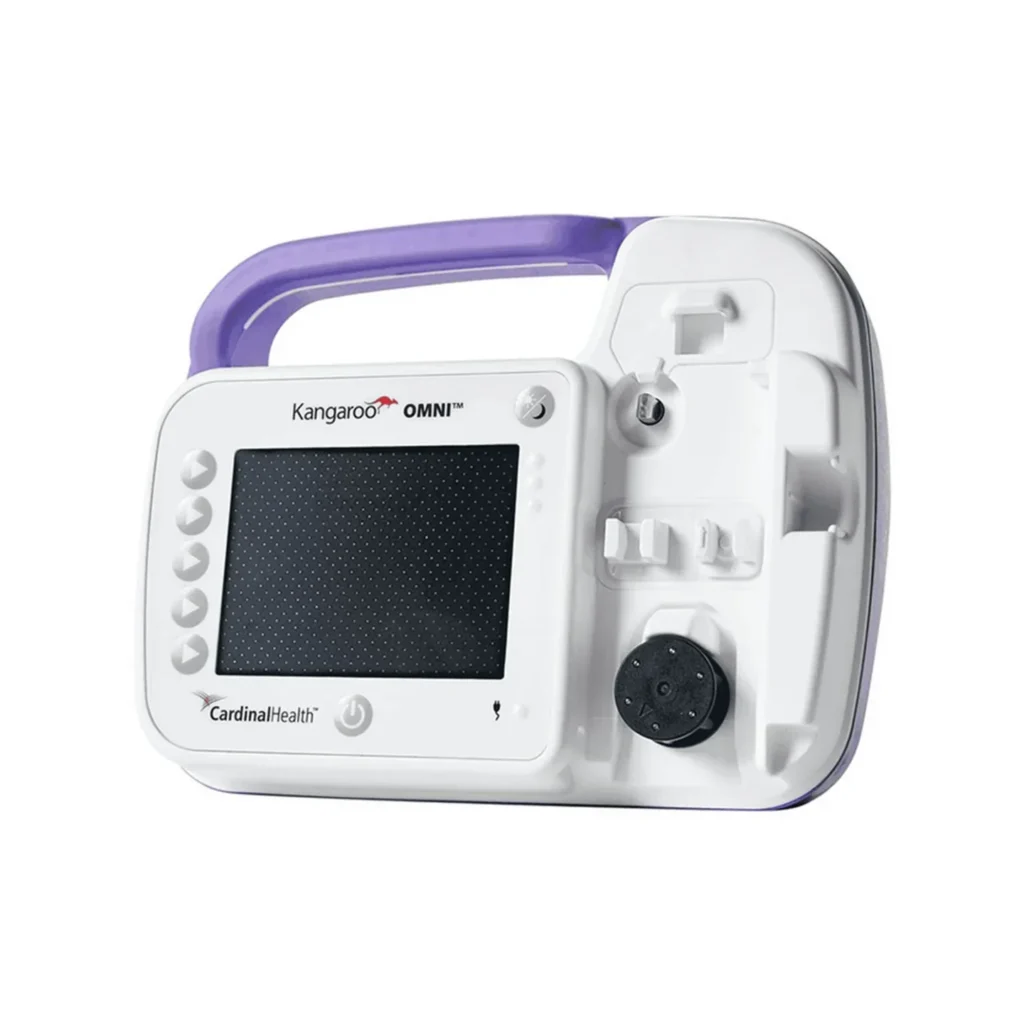

Using a feeding pump for the first time can feel intimidating, especially when you’re responsible for someone’s daily nutrition. The Kangaroo Omni Pump is designed to make enteral feeding more manageable, but understanding how to use it correctly is essential for safe and consistent care.
This guide walks you through the process in a simple, practical way so you can feel confident using the pump at home or in a care setting.
Understanding the Basics Before You Start
Before setting up the pump, take a moment to understand its purpose. The Kangaroo Omni Pump is used to deliver liquid nutrition directly into the stomach or small intestine through a feeding tube. It allows you to control how fast and how much nutrition is given.
Make sure you have all the necessary items ready:
- Feeding bag or set
- Prescribed formula
- Clean water for flushing
- Power source or charged battery
Always wash your hands before handling any equipment to maintain hygiene.
Step 1: Set Up the Feeding Bag
Start by preparing the feeding bag. Pour the prescribed formula into the bag carefully, avoiding spills or contamination. Close the cap securely once filled.
Hang the feeding bag on an IV pole or a stable hook above the pump level. This helps ensure a smooth flow of the formula.
Step 2: Prime the Feeding Set
Priming removes air from the tubing, which is important for accurate feeding and patient comfort.
Connect the feeding set to the bag and allow the formula to flow through the tubing until all air bubbles are gone. Some systems allow automatic priming, while others may require manual control.
Make sure the tubing is fully filled with formula before moving to the next step.
Step 3: Load the Set into the Pump
Open the pump door and place the tubing into the designated area as per the guide marks on the device. Close the door securely to ensure the pump can function properly.
If the tubing is not placed correctly, the pump may not run or may trigger an alarm.
Step 4: Program the Feeding Settings
Turn on the pump and begin setting the feeding parameters. You will typically need to enter:
- Feeding rate (how fast the formula flows)
- Total volume (how much formula will be delivered)
These settings should always match the healthcare provider’s instructions. Double-check the values before starting.
Step 5: Connect to the Feeding Tube
Attach the end of the feeding set to the patient’s feeding tube securely. Ensure the connection is tight to avoid leaks.
Before starting the feeding, it’s often recommended to flush the tube with a small amount of water to ensure it is clear.
Step 6: Start the Feeding Process
Once everything is set, press the start button on the pump. The device will begin delivering the formula at the programmed rate.
Keep an eye on the pump during the initial minutes to ensure everything is running smoothly. Check for any unusual sounds, leaks, or alerts.
Step 7: Monitor During Feeding
While the pump is running, occasional monitoring is important. Make sure:
- The formula is flowing properly
- The patient is comfortable
- There are no alarms or interruptions
If an alarm sounds, check the display message. Common issues include blockages, empty bags, or improperly placed tubing.
Step 8: Flushing After Feeding
Once the feeding is complete, flush the feeding tube with clean water. This helps prevent clogging and keeps the tube clear for future use.
Disconnect the feeding set carefully after flushing.
Step 9: Cleaning and Storage
Proper cleaning is essential for hygiene and long-term use. Dispose of single-use items as instructed and clean reusable parts according to guidelines.
Store the pump and accessories in a clean, dry place when not in use.
Common Mistakes to Avoid
Many first-time users make small mistakes that can affect feeding efficiency. Avoid overfilling the feeding bag, as it may cause spills or incorrect flow. Never skip the priming step, since air in the tubing can lead to discomfort. Also, ensure the feeding rate is set correctly—too fast or too slow can impact nutrition delivery. Taking a few extra seconds to double-check everything can prevent most issues.
Extra Safety and Care Tips
Always keep the pump on a stable surface or securely attached to a pole to avoid accidental falls. Check the battery level regularly if you are not using a direct power source. It’s also a good idea to keep backup feeding supplies nearby in case something needs to be replaced quickly. Maintaining a routine schedule for feeding can help both the patient and caregiver stay organized and reduce stress during daily use.
Helpful Tips for First-Time Users
- Always follow the instructions provided by your healthcare professional
- Double-check settings before starting the pump
- Keep extra supplies ready to avoid interruptions
- Stay calm—most issues are easy to fix with basic checks
Final Thoughts
Learning to use the Kangaroo Omni Pump may take a little practice, but it quickly becomes part of a routine. Its design focuses on safety, accuracy, and ease of use, making it a reliable choice for enteral feeding.
With the right approach and attention to detail, you can ensure a smooth feeding process that supports the patient’s health and comfort every day.
