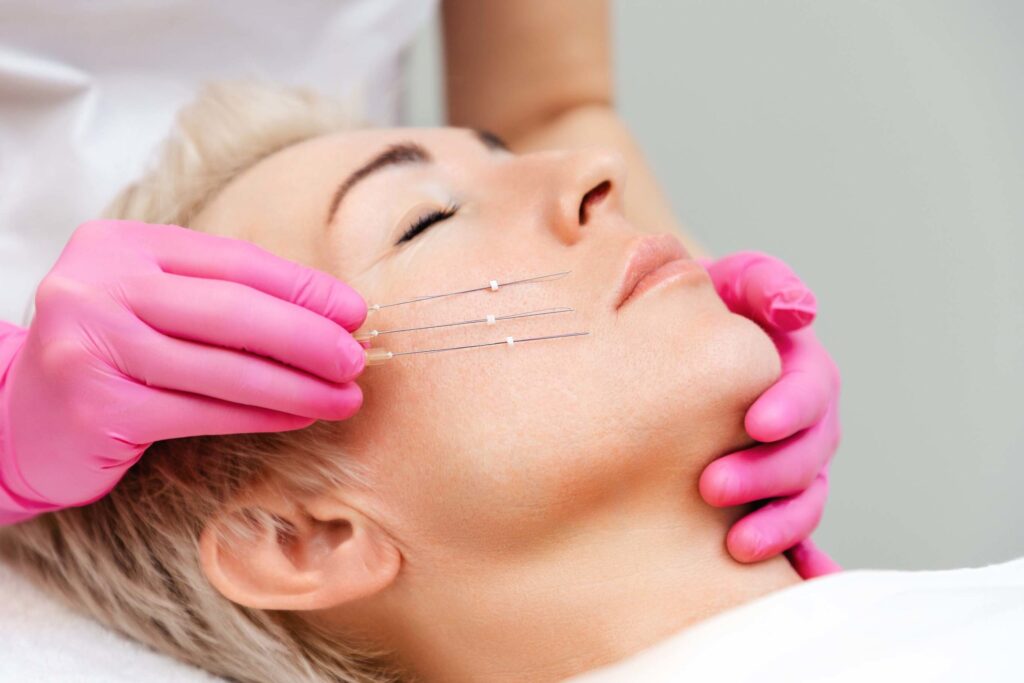

Thread lift procedures continue to gain attention among individuals seeking facial rejuvenation without surgical intervention. This treatment focuses on lifting sagging skin, redefining facial contours, and restoring a more youthful appearance with minimal downtime. A PDO Thread Lift Specialist plays an important role in assessing facial structure and selecting the right technique for balanced outcomes. The growing demand comes from people looking for natural improvements without lengthy recovery. This article explains treatment duration, influencing factors, maintenance approaches, and comparisons with surgical options for long-term planning.
What Is A Thread Lift Procedure?
A thread lift procedure uses medical-grade dissolvable threads placed beneath the skin to reposition tissue and create a lifting effect. These threads act as a support structure while stimulating collagen production around the treated area. Over time, the skin becomes firmer due to increased natural collagen response. Common areas include cheeks, jawline, neck, and eyebrows. Polydioxanone (PDO) threads remain widely used because they safely dissolve within the body while supporting gradual tightening and improved skin texture during the healing phase.
How Long Does A Thread Lift Typically Last?
Thread lift results usually last between 12 months and 24 months depending on individual conditions. Some patients may notice longer-lasting effects when skin quality is strong and collagen production responds well. The initial lifting effect appears immediately after treatment, while deeper skin tightening develops over several weeks. Once the threads dissolve, collagen continues to support the treated areas, extending visible improvements. Lifestyle habits, age, and skin condition influence how long the lifted appearance remains noticeable across different facial zones.
Factors That Affect Thread Lift Longevity
Several biological and lifestyle elements influence how long thread lift results remain visible. Each factor contributes differently to skin response and collagen development after treatment. Proper evaluation of these elements helps predict expected outcomes and maintenance needs.
- Age and skin elasticity
- Type and quality of threads used
- Treatment area on the face
- Daily skincare habits
- Smoking and sun exposure
- Experience of the provider
- Natural collagen production levels
- Aftercare routine followed post-treatment
These combined factors determine both short-term lifting effects and long-term skin firmness after the procedure.
What Happens To The Threads Over Time?
Dissolvable threads such as PDO gradually break down through natural metabolic processes in the body over several months. During this period, the threads provide structural support to reposition facial tissue and improve contour definition. After complete absorption, the physical threads are no longer present, but collagen fibers formed around them continue to support the skin. This biological response helps maintain firmness and smoother texture. The continued collagen activity plays a key role in extending visible improvements even after the threads have dissolved fully.
Areas Of The Face That Show Longer Results
Certain facial areas tend to retain thread lift results for a longer period due to stronger tissue structure and reduced movement. The jawline often shows sustained definition because of its firm anatomical support. Cheeks also maintain lifting effects well, especially when collagen response is strong. The neck and eyebrow areas may show shorter duration results due to thinner skin and frequent muscle activity. Variations in facial anatomy, thread placement, and skin thickness all influence how long improvements remain noticeable.
How To Maintain Thread Lift Results
Maintaining thread lift results requires consistent care and attention to skin health. Proper hydration supports elasticity, while a balanced diet contributes to ongoing collagen production. Sun protection remains essential for preventing premature skin aging and preserving treatment effects. Gentle skincare routines help avoid unnecessary stress on treated areas. Regular follow-up visits with a qualified specialist allow monitoring of skin condition. Some individuals combine thread lifts with complementary treatments such as skin boosters or radiofrequency therapy for extended facial rejuvenation benefits.
Signs That A Touch-Up May Be Needed
Gradual changes in facial firmness often indicate the natural fading of thread lift effects. Mild sagging around the jawline or cheeks may appear as collagen support decreases over time. Reduced skin tightness and less defined facial contours also suggest diminishing results. These changes typically occur gradually rather than suddenly. Many individuals consider maintenance treatments after 12 to 24 months depending on skin response and aesthetic goals. Regular assessment helps determine the right timing for touch-up sessions to maintain facial balance.
Thread Lift Vs Surgical Facelift Longevity
Thread lifts and surgical facelifts differ significantly in both longevity and procedure type. Surgical facelifts deliver results that can last many years due to deeper tissue repositioning and structural correction. Thread lifts provide temporary yet effective lifting results with minimal downtime and less invasiveness. Recovery time remains shorter for thread lifts, making them suitable for individuals preferring non-surgical options. Cost differences also influence decision-making, with thread lifts offering a more accessible approach for gradual facial rejuvenation without extended recovery periods.
Is A Thread Lift Worth It For Long-Term Facial Rejuvenation?
Thread lifts offer noticeable lifting effects along with collagen stimulation that supports gradual skin improvement. Results appear natural and do not involve surgical intervention, making the treatment appealing to many individuals. Ideal candidates include those with mild to moderate skin laxity seeking subtle enhancement. Realistic expectations remain essential, as results vary based on individual skin response and lifestyle factors. Many patients consider thread lifts a valuable part of ongoing facial maintenance routines aimed at preserving youthful appearance over time.
Conclusion
Thread lift results on the face generally last between one and two years depending on skin condition, lifestyle habits, and treatment quality. Collagen stimulation continues even after threads dissolve, supporting longer-lasting improvements in skin firmness and contour. Proper aftercare, sun protection, and healthy routines play an important role in maintaining outcomes. Selecting an experienced provider ensures balanced lifting results and natural facial appearance. Consistent maintenance and personalized treatment planning help extend youthful facial definition over time.
