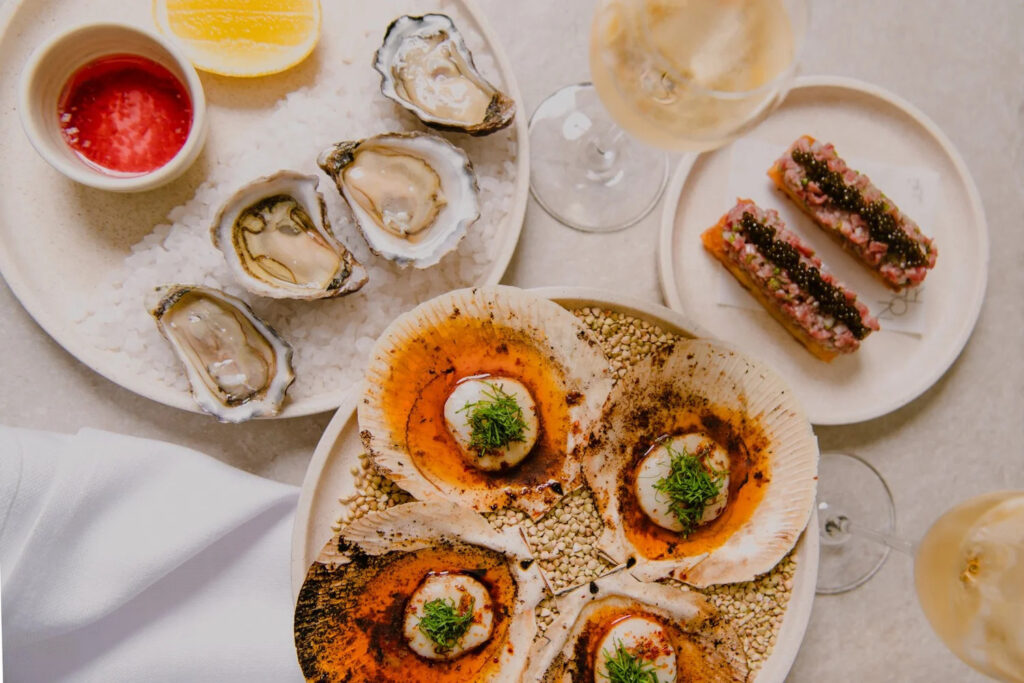

Middle Eastern food uses many layers of sweet, savory, and tart flavors. You will taste unique spices like sumac and floral notes like rose. These meals balance fresh herbs with rich meats at your favorite middle eastern restaurant
Discovering Middle Eastern Cuisine
Middle Eastern food is often seen as just hummus and falafel. These dishes are great, but they are only the beginning. You will find a much larger world of amazing tastes at a local middle eastern restaurant. This region offers deep history and bold, aromatic ingredients. If you look past the basics, you will find true culinary treasures. You will discover complex spices and slow-cooked meals. These foods create an experience that is both ancient and modern.
The Philosophy of the Middle Eastern Table
Every meal here is built on the idea of shared hospitality. Flavors are layered to create a perfect, balanced taste profile for every guest.
The Art of the Balanced Palate
The secret to this food is how tastes work together. Chefs mix tart citrus with deep spices and fresh green herbs. This combination makes every bite at a middle eastern restaurant feel satisfying.
Freshness is the Main Key
Pantry spices are important, but fresh produce is the real star. Cooks use the best seasonal vegetables to bring out the best in every dish.
The Spice Blends That Define the Region
You cannot know this food without trying the classic spice mixes. These blends act as the backbone for the most famous recipes served today.
Za’atar: The Herbaceous Staple
Za’atar is a mix of dried thyme, oregano, and earthy sesame seeds. Most chefs at a middle eastern restaurant add the bright tang of sumac.
Baharat: The Warmth of the Middle East
The word baharat simply means spices in the Arabic language. This blend often includes black pepper, cumin, cloves, and ground cinnamon.
The Secret Ingredient: The Power of Acid
If you wonder why this food tastes bright, look at acid. Chefs use these sharp ingredients to cut through rich, fatty meats.
Sumac: The Crimson Tang
Sumac is a dried berry that is ground into red powder. It offers a lemony taste without the watery feel of fresh fruit.
Pomegranate Molasses: Sweet and Sour Complexity
Cooks reduce pomegranate juice until it becomes a thick, dark syrup. This sauce adds a glossy shine and a deep, sour flavor.
Herbs as Aromatics, Not Just Garnishes
Many cultures use herbs as a tiny decoration on top. In the Middle East, chefs use fresh herbs as a main ingredient.
The Generous Use of Parsley and Mint
Flat-leaf parsley and fresh mint are used in very large amounts. These greens provide a cooling contrast to fried or fatty foods.
Floral Notes: A Fragrant Twist
One surprise for new diners is the use of floral essences. You might find these unique flavors in both savory and sweet foods.
Rose Water and Orange Blossom Water
These floral waters are used in very small, careful amounts. They add a perfumed, elegant depth to rice and yogurt dishes.
The Magic of Textures
Good food is not just about taste; it is about feel. The right mix of soft and crunchy makes eating more fun.
The Crunch of Roasted Nuts
Chefs often shower dishes with toasted pine nuts or crunchy pistachios. The crunch helps balance the soft texture of cooked grains and dips.
Slow-Cooked Tenderness
Slow cooking is a vital part of this culinary tradition. It allows spices to soak deep into the meat and vegetables. You can experience this slow-cooked magic at Nour restaurant Sydney.
Unsung Heroes of the Pantry
Look past the spice rack to find these two essential ingredients. These items help define the authentic taste of a middle eastern restaurant.
Tahini: The Creamy Foundation
Tahini is a smooth paste made from ground sesame seeds. It provides a nutty base for hummus and other healthy dips.
Preserved Lemons
These lemons are cured in salt for a very long time. They offer a deep, funky citrus flavor that tastes very concentrated.
Regional Variations to Explore
Every country brings a slightly different style to the table. You can explore these diverse traditions at a local middle eastern restaurant.
The Levantine Influence: Fresh and Herbaceous
Cooking in the Levant focuses on olive oil and fresh vegetables. This style is often lighter and features many different grain dishes.
The Persian Influence: Fruits and Saffron
Persian food often uses dried fruits like barberries and sweet apricots. Chefs also use expensive saffron to give dishes a golden color.
Tips for Your Next Dining Experience
- Ask the server about the daily specials that are not listed.
- Try ordering a variety of small plates to share with friends.
- Do not be afraid to try dishes featuring lamb or eggplant.
- Always ask for extra bread to scoop up every last drop.
Conclusion
Exploring Middle Eastern flavors is a beautiful and tasty journey. It is an invitation to slow down and enjoy your meal. By seeking out tart sumac or fragrant rose, you learn more. Every visit to a middle eastern restaurant is a chance to discover a new favorite. Let your palate explore these hidden flavors on your next trip.
