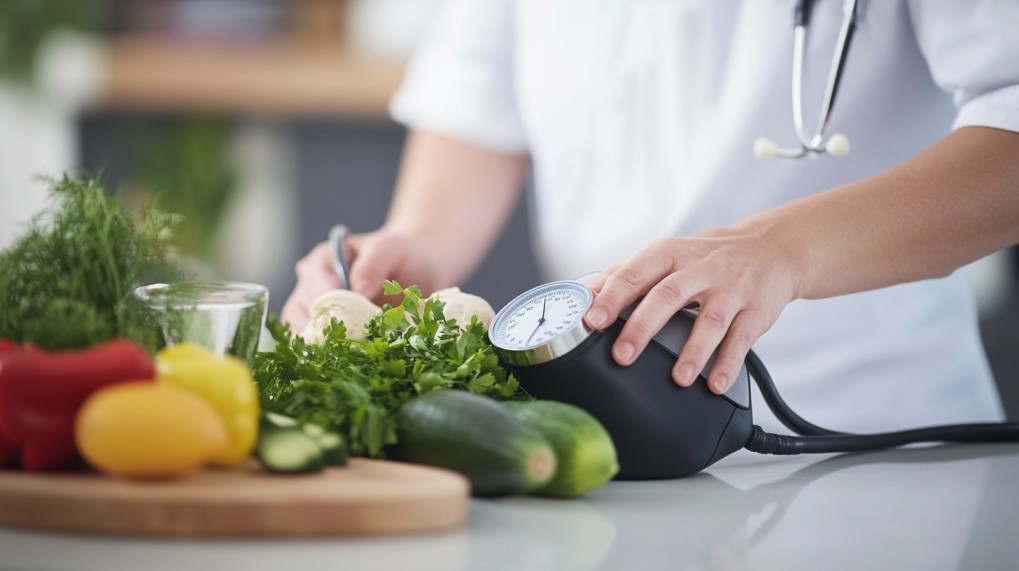

Fertility is influenced by a combination of factors, including age, lifestyle, hormonal balance, stress levels, and nutrition. While there is no single food that guarantees pregnancy, a healthy and balanced diet can significantly improve reproductive health and support the body’s natural fertility processes.
For women trying to conceive, proper nutrition plays a critical role in regulating hormones, improving egg quality, supporting ovulation, and preparing the body for pregnancy. Nutrient deficiencies, poor eating habits, and excessive processed food consumption can negatively impact fertility over time.
In this blog, we explore the best foods that naturally support women’s fertility and how dietary choices can improve reproductive health.
How Nutrition Impacts Fertility
The body requires essential nutrients to produce hormones, maintain reproductive function, and support overall health. A balanced diet can help:
- Regulate menstrual cycles
- Improve ovulation
- Reduce inflammation
- Support hormonal balance
- Maintain a healthy weight
Healthy eating habits also contribute to better energy levels and improved metabolic health, both of which are important for fertility.
Key Nutrients That Support Fertility
Certain nutrients are particularly important for reproductive health.
Folate
Folate supports cell growth and is essential for early fetal development.
Good sources include:
- Spinach
- Lentils
- Avocados
- Citrus fruits
Adequate folate intake is important even before conception.
Iron
Iron helps support ovulation and oxygen transport in the body.
Iron-rich foods include:
- Beetroot
- Lean meats
- Beans
- Pumpkin seeds
Pairing iron-rich foods with vitamin C improves absorption.
Omega-3 Fatty Acids
Omega-3s help reduce inflammation and support hormone production.
Sources include:
- Salmon
- Chia seeds
- Walnuts
- Flaxseeds
These healthy fats are beneficial for reproductive health.
Protein
Protein supports tissue repair and hormone function.
Healthy protein sources include:
- Eggs
- Lentils
- Fish
- Greek yogurt
Balancing protein intake can support stable energy and metabolism.
Zinc
Zinc is important for hormone production and reproductive health.
Foods rich in zinc include:
- Nuts
- Seeds
- Whole grains
- Chickpeas
Best Foods to Support Women’s Fertility Naturally
Including fertility-friendly foods in your diet can help improve reproductive health over time.
1. Leafy Green Vegetables
Leafy greens such as spinach, kale, and fenugreek leaves are rich in folate, iron, and antioxidants.
These nutrients support healthy ovulation and help maintain hormonal balance.
Adding greens to soups, smoothies, and meals is an easy way to improve nutrient intake.
2. Berries
Berries are packed with antioxidants that help protect reproductive cells from oxidative stress.
Options such as:
- Blueberries
- Strawberries
- Raspberries
Support overall reproductive health and improve immunity.
3. Whole Grains
Whole grains provide complex carbohydrates and fiber, which help regulate blood sugar and insulin levels.
Healthy choices include:
- Brown rice
- Oats
- Quinoa
- Whole wheat
Balanced blood sugar levels are important for hormonal health and ovulation.
4. Healthy Fats
Healthy fats are essential for hormone production.
Include foods such as:
- Avocados
- Nuts
- Seeds
- Olive oil
Avoiding unhealthy trans fats is equally important for fertility support.
5. Eggs
Eggs are rich in protein, choline, and healthy fats.
They support reproductive health and provide essential nutrients needed for conception and pregnancy preparation.
6. Fatty Fish
Fatty fish such as salmon and sardines are excellent sources of omega-3 fatty acids and vitamin D.
These nutrients support hormone balance and reproductive function.
Consuming fish in moderation can benefit fertility health.
7. Beans and Lentils
Beans and lentils provide plant-based protein, iron, and fiber.
They help maintain stable energy levels and support healthy ovulation.
These foods are also excellent options for vegetarians.
8. Nuts and Seeds
Nuts and seeds contain healthy fats, zinc, selenium, and antioxidants.
Examples include:
- Almonds
- Walnuts
- Pumpkin seeds
- Sunflower seeds
These nutrients support reproductive hormone production and egg health.
9. Dairy Products in Moderation
Certain full-fat dairy products may support fertility when consumed in moderation.
Options such as yogurt and milk provide calcium and protein that contribute to overall health.
10. Citrus Fruits
Oranges, lemons, and sweet lime are rich in vitamin C and antioxidants.
These nutrients help improve iron absorption and support immune function.
Foods to Limit for Better Fertility
While focusing on healthy foods, it’s also important to reduce foods that may negatively affect fertility.
Highly Processed Foods
Processed foods often contain unhealthy fats, excess sugar, and additives that may disrupt hormonal balance.
Excess Sugar
High sugar intake can contribute to insulin resistance and hormonal imbalances.
Trans Fats
Trans fats found in fried and packaged foods may negatively affect ovulation.
Excessive Caffeine and Alcohol
Moderation is important, as excessive intake may impact reproductive health.
The Role of Hydration in Fertility
Hydration supports circulation, hormone transport, and overall reproductive function.
Women trying to conceive should aim to:
- Drink enough water daily
- Include fresh fluids like coconut water
- Limit sugary beverages
Proper hydration also supports cervical mucus production and overall well-being.
Maintaining a Healthy Weight for Fertility
Both underweight and overweight conditions can affect fertility.
Balanced nutrition and regular physical activity help maintain a healthy weight and support hormone regulation.
Crash dieting and extreme calorie restriction should be avoided, as they may negatively impact ovulation.
Stress and Fertility
Chronic stress can affect hormone levels and menstrual cycles.
Combining healthy eating with stress management techniques such as:
- Yoga
- Meditation
- Deep breathing exercises
Can support overall reproductive health.
Importance of Personalized Fertility Nutrition
Every woman’s body is different, and fertility challenges may vary depending on hormonal health, medical conditions, and lifestyle factors.
Personalized nutrition plans can help address:
- PCOS-related fertility issues
- Hormonal imbalances
- Nutrient deficiencies
- Weight management challenges
A customized approach ensures better support for reproductive health.
Common Myths About Fertility Foods
Myth 1: One Superfood Can Boost Fertility Instantly
Fact: Fertility depends on overall lifestyle and consistent nutrition, not a single food.
Myth 2: Carbohydrates Should Be Completely Avoided
Fact: Healthy carbohydrates from whole grains support hormonal balance and energy.
Myth 3: Supplements Can Replace a Healthy Diet
Fact: Whole foods provide a wide range of nutrients that supplements alone cannot replace.
Conclusion
Supporting fertility naturally involves a combination of healthy eating, balanced lifestyle habits, stress management, and proper medical guidance. Including nutrient-rich foods such as leafy greens, whole grains, healthy fats, berries, and omega-3-rich foods can help regulate hormones, improve ovulation, and support overall reproductive health.
Since every woman’s fertility journey is unique, a personalized approach to nutrition can make a significant difference. Consulting a qualified nutritionist for fertility in India can help create a customized diet plan for fertility that aligns with individual health needs, supports hormonal balance, and improves the chances of a healthy conception journey.