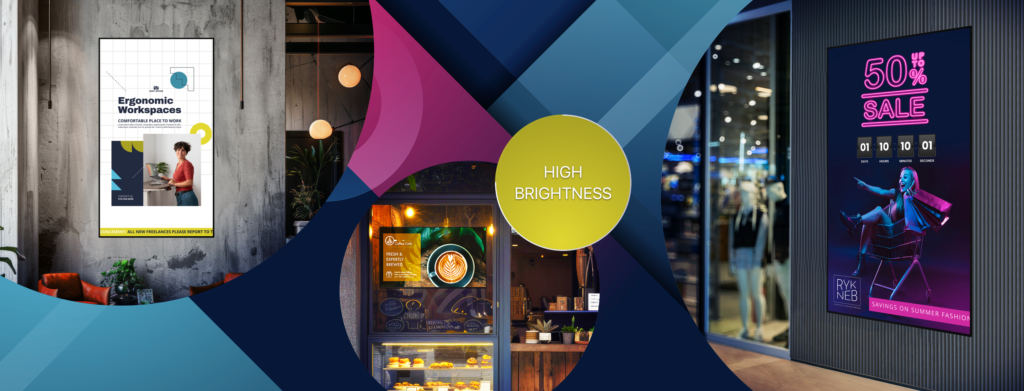

In today’s fast-paced digital world, businesses are constantly looking for innovative ways to capture attention and communicate effectively. Digital signage software has emerged as a powerful solution, enabling organizations to display dynamic content across screens in real time. From retail stores and restaurants to corporate offices and healthcare facilities, digital signage is transforming how brands interact with their audience.
This guide explores everything you need to know about digital signage software, its benefits, features, and how to choose the right solution for your business.
What is Digital Signage Software?
Digital signage software is a cloud-based or on-premise platform that allows users to create, manage, schedule, and display multimedia content on digital screens. These screens can include LED displays, LCD panels, kiosks, and video walls.
The software acts as the central control system, enabling businesses to update content remotely, ensuring that messaging remains relevant and engaging. Whether it’s promotional videos, menus, announcements, or real-time data feeds, digital signage software simplifies content delivery across multiple locations.
Why Digital Signage Software is Important for Businesses
Modern consumers are visually driven, and static advertising methods are no longer enough. Digital signage software helps businesses stay competitive by offering:
1. Enhanced Customer Engagement
Dynamic visuals, animations, and videos attract more attention than traditional print signage. This leads to higher engagement and improved customer experience.
2. Real-Time Content Updates
With digital signage software, you can update content instantly across multiple screens from a single dashboard. This is especially useful for time-sensitive promotions or announcements.
3. Cost-Effective Marketing
Although the initial setup may require investment, digital signage eliminates recurring printing costs, making it a cost-effective long-term solution.https://bloggingarena.com/digital-marketing-agency-your-partner-for-online-business-growth/
4. Increased Sales and Conversions
Studies show that digital displays can influence purchasing decisions. By showcasing targeted offers and promotions, businesses can boost sales significantly.
Key Features of Digital Signage Software
When choosing digital signage software, it’s essential to understand the features that make it effective:
Content Management System (CMS)
A robust CMS allows users to upload, organize, and manage media files such as images, videos, and text.
Scheduling and Automation
Schedule content to play at specific times and dates. This ensures your messaging is always relevant without manual intervention.
Remote Management
Control multiple screens from anywhere in the world using cloud-based digital signage software.
Multi-Screen Support
Manage multiple displays across different locations, ensuring consistent branding and messaging.
Analytics and Reporting
Track performance metrics such as audience engagement and content effectiveness to optimize your campaigns.
Integration Capabilities
Advanced digital signage software integrates with social media, live feeds, weather updates, and third-party applications.
Benefits of Using Digital Signage Software
Improved Brand Visibility
Digital signage helps businesses stand out with eye-catching visuals and consistent messaging.
Better Communication
Whether it’s internal communication within a company or external messaging to customers, digital signage ensures clarity and impact.
Flexibility and Scalability
Digital signage software grows with your business. You can easily add new screens or locations without major infrastructure changes.
Eco-Friendly Solution
By reducing the need for printed materials, digital signage contributes to a more sustainable environment.
Industries That Use Digital Signage Software
Digital signage software is versatile and widely used across various industries:
Retail
Retail stores use digital signage to display promotions, product information, and advertisements that influence buying decisions.
Restaurants and Hospitality
Restaurants use digital menu boards powered by digital signage software to update prices and promotions instantly.
Healthcare
Hospitals and clinics use digital signage for patient information, directions, and health awareness campaigns.
Corporate Offices
Businesses use digital signage for internal communication, employee updates, and meeting room schedules.
Education
Schools and universities use digital displays to share announcements, schedules, and event information.
How to Choose the Right Digital Signage Software
Selecting the right digital signage software can make a significant difference in your marketing success. Here are key factors to consider:
Ease of Use
Choose software with a user-friendly interface that allows quick content updates without technical expertise.
Cloud-Based vs On-Premise
Cloud-based solutions offer flexibility and remote access, while on-premise solutions provide more control and security.
Compatibility
Ensure the software supports various screen types and operating systems.
Customization Options
Look for software that allows customization to match your brand identity and business needs.
Pricing
Compare pricing plans and choose a solution that fits your budget without compromising essential features.
Customer Support
Reliable support ensures smooth operation and quick resolution of issues.
Top Digital Signage Software Providers
Several companies offer reliable digital signage solutions. Some well-known providers include:
- Samsung MagicINFO by Samsung
- LG SuperSign by LG
- Scala Digital Signage by Scala
- ScreenCloud by ScreenCloud
- Rise Vision by Rise Vision
Each platform offers unique features, so it’s important to evaluate them based on your specific requirements.
Future Trends in Digital Signage Software
The digital signage industry continues to evolve with advancements in technology. Some emerging trends include:
AI-Powered Personalization
Artificial intelligence enables personalized content based on audience behavior and preferences.
Interactive Displays
Touchscreens and interactive kiosks are becoming more popular, enhancing user engagement.
Integration with IoT
Digital signage software is increasingly integrated with IoT devices to deliver real-time data-driven content.
4K and 8K Displays
High-resolution displays provide better visual quality, making content more appealing.
Best Practices for Using Digital Signage Software
To maximize the effectiveness of digital signage software, follow these best practices:
- Keep content simple and visually appealing
- Use high-quality images and videos
- Update content regularly
- Maintain consistent branding
- Use clear calls-to-action (CTAs)
- Monitor performance and optimize accordingly
Conclusion
Digital signage software is no longer a luxury—it’s a necessity for businesses looking to stay competitive in a digital-first world. With its ability to deliver dynamic, engaging, and real-time content, it has become a powerful tool for communication and marketing.
By choosing the right digital signage software and implementing best practices, businesses can enhance customer engagement, improve brand visibility, and drive
