

Packing clothes sounds easy until the last box is sealed. Everything starts neatly—folded stacks, sorted piles—and then somewhere along the way, things get rushed. Shirts get pressed down a little too much, jackets lose their shape, and by the time the boxes are opened again, nothing looks quite the same.
It’s rarely about how carefully the clothes were folded. More often than not, it comes down to the box they were put in. Clothes don’t just need space—they need the right kind of space. That’s where choosing the right boxes and packaging supplies makes a difference.
Why Do Clothes Lose Shape During Packing?
It usually happens in small ways that go unnoticed at first.
A box gets filled just a bit too much. Something heavier ends up sitting on top. Or there’s too much space, so things shift around when the box is moved. None of it seems like a big deal at the time, but the result shows up later.
In clothing warehouses, garments aren’t packed randomly. There’s always some thought behind how they sit inside a box. The same idea applies at home—clothes need room to stay as they are, not just space to fit.
Which Boxes Actually Work Well for Packing Clothes?
There’s no single box that works for everything. It depends on the type of clothing and how it needs to be stored or moved.
Wardrobe Boxes
These tend to make things easier, especially for clothes that shouldn’t be folded.
They come with an internal hanging rail so that garments can stay on their hangers. That alone saves time later and avoids the need to re-iron everything.
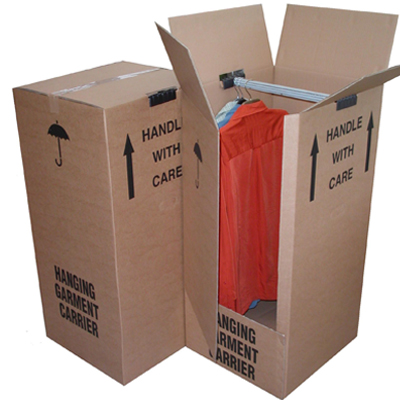
They’re useful for:
- Suits and formal wear
- Dresses and longer garments
- Fabrics that crease easily
For moves or longer storage, wardrobe boxes are often the most practical option because they keep things close to how they were in the wardrobe.
Standard Moving Boxes
These are the ones most people already have. They’re simple, easy to carry, and work well for everyday clothing.
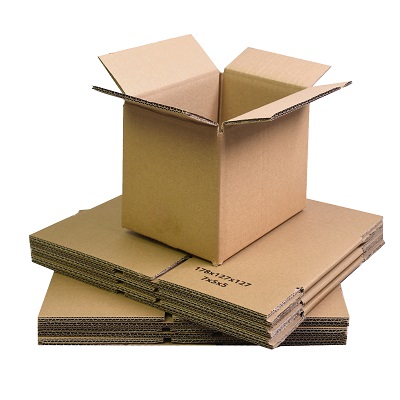
They’re usually used for:
- T-shirts and casual wear
- Folded items like jeans or knitwear
- Quick packing when time is limited
When used as cardboard packaging boxes, they offer enough structure for most situations, as long as they’re not overloaded.
Large Storage Boxes
Sometimes the problem isn’t weight—it’s space. Bulky clothing like jackets or bedding needs room, not pressure.
These boxes help by giving a bit more breathing space. Clothes can be layered without being pushed down too much.
They’re often used for:
- Winter clothing
- Blankets and duvets
- Items that don’t need to stay on hangers
Many people choose cheap storage boxes here because they’re practical when packing larger volumes without spending too much.
Stackable Storage Boxes
These are useful when organisational matters arise. They hold their shape well and can be stacked without collapsing.
They work best for:
- Sorted clothing
- Labelled packing
- Items that won’t be unpacked straight away
They’re not always the first choice for delicate garments, but they help keep everything in order.
Does What Goes Inside the Box Matter Too?
Quite a bit, actually. Even a good box won’t help much if everything inside is shifting around. Movement is what causes most of the creasing and misshaping.
That’s why packaging supplies are used—not just to fill space, but to keep things steady. In many packing setups, soft layers are added between clothes to reduce friction.
A few small habits can make packing easier:
- Avoid pressing clothes down too tightly
- Keep heavier items separate
- Fill gaps so things don’t slide around
It doesn’t take much, but it changes how clothes come out at the other end.
What Are the Common Mistakes People Don’t Notice?
Packing usually feels straightforward, which is why small mistakes slip through.
- Trying to fit too much into one box
- Mixing heavy and delicate items
- Using boxes that don’t hold their shape
- Ignoring how boxes will be stacked later
These don’t always cause problems immediately. They show up after the boxes have been moved, lifted, or stored for a while.
Why Does the Right Box Make Packing Less Stressful?
When the box fits the purpose, everything else becomes easier. Clothes stay where they’re placed, boxes are easier to carry, and unpacking doesn’t feel like starting over.
People who regularly pack or move things tend to mix box types rather than rely on a single type. For example, wardrobe boxes for hanging items and cheap storage boxes for folded clothing. It keeps things organised without overcomplicating the process.
Even when looking for cardboard packaging boxes, the focus usually shifts from “what’s available” to “what works best.”
Conclusion
Packing clothes isn’t complicated, but it does need a bit of thought. The box you choose shapes how everything inside holds up.
When the right box is used, clothes don’t just get from one place to another—they stay in a condition that makes unpacking feel easy, not frustrating. Investing this minor effort ensures your wardrobe remains crisp, organized, and ready to wear the moment you reach your destination. Proper protection prevents unnecessary damage, simplifies the transition into your new space, and ultimately saves you the hassle of intensive ironing or repairs later.
