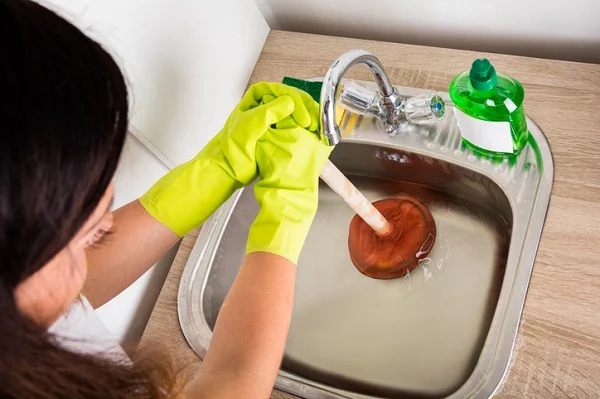

There’s nothing more frustrating than dealing with a clogged drain—especially when it happens over and over again. You’ve plunged, poured drain cleaner, and maybe even called a plumber, but within weeks or months, the problem returns. If you’re experiencing recurring drain issues, you’re not alone. Many Melbourne homeowners face the same cycle of temporary fixes and recurring blockages.
The good news? Understanding why your drains keep clogging is the first step toward solving the problem permanently. In this comprehensive guide, we’ll explore the most common causes of recurring drain blockages and provide practical solutions to help you maintain clear, free-flowing drains for good.
The Most Common Culprits Behind Recurring Drain Clogs
1. Hair Buildup in Bathroom Drains
Hair is one of the leading causes of blocked drains Melbourne homeowners face, particularly in showers and bathroom sinks. Every time you wash your hair, loose strands go down the drain and combine with soap scum, creating sticky clumps that restrict water flow.
Over time, these hairballs grow larger and trap other debris, eventually causing complete blockages. What makes this particularly problematic is that hair doesn’t dissolve or break down easily, meaning it accumulates continuously unless physically removed.
The Solution: Install drain guards or hair catchers over all bathroom drains. These inexpensive devices catch hair before it enters your plumbing system. Make it a habit to clean these guards weekly and dispose of collected hair in the trash. For existing buildup, professional drain cleaning Melbourne services can use specialized tools to thoroughly remove accumulated hair and restore proper drainage.
2. Grease and Food Waste in Kitchen Sinks
Your kitchen sink faces a different set of challenges. Many people make the mistake of pouring cooking grease, oil, or fat down the drain, thinking hot water will flush it away. Unfortunately, as grease cools, it solidifies and coats the inside of your pipes, narrowing the passage and trapping food particles.
Coffee grounds, eggshells, pasta, rice, and fibrous vegetables like celery also contribute to kitchen drain blockages. These materials don’t break down properly in your plumbing system and can create stubborn clogs when combined with grease buildup.
The Solution: Never pour grease down your kitchen drain. Instead, let it cool and solidify in a container, then dispose of it in the trash. Scrape food scraps into the garbage or compost bin before rinsing dishes. Run hot water for 30 seconds after each use to help clear any residual debris, and consider scheduling regular professional drain inspections to catch problems early.
3. Soap Scum and Mineral Deposits
Soap might seem harmless, but traditional bar soaps contain fats that combine with minerals in your water to create soap scum. This sticky residue gradually builds up on pipe walls, narrowing the passage and creating rough surfaces where other debris can catch and accumulate.
Melbourne’s water quality varies by suburb, and areas with hard water face additional challenges from mineral deposits. Calcium and magnesium in hard water create scale buildup that progressively restricts water flow, particularly in pipes, shower heads, and tap aerators.
The Solution: Switch to liquid soap or body wash, which doesn’t create the same level of scum as bar soap. For hard water issues, consider installing a water softener system. Monthly treatments with enzyme-based drain cleaners can help break down soap scum buildup. If mineral deposits have significantly narrowed your pipes, professional leak detection Melbourne specialists can assess the extent of the problem and recommend appropriate solutions.
4. Toilet Paper and Hygiene Products
While toilet paper is designed to break down in water, using excessive amounts or flushing inappropriate items can cause recurring toilet blockages. Hygiene products like wet wipes (even those labeled “flushable”), feminine hygiene products, cotton swabs, and dental floss don’t disintegrate like toilet paper and can create serious blockages.
According to Water Corporation guidelines, only human waste and toilet paper should ever be flushed. Everything else belongs in the bin.
The Solution: Use reasonable amounts of toilet paper and consider switching to brands that dissolve more readily. Place a small trash bin in every bathroom with a gentle reminder about what can and cannot be flushed. If you have young children, educate them about proper toilet use early on. For persistent toilet clogs, professional plumbers can identify whether the issue is in the toilet itself or further down the drainage system.
5. Tree Root Intrusion
One of the most serious causes of recurring blockages is tree root infiltration. Tree roots naturally seek out water sources, and even the tiniest crack or loose joint in your sewer line can attract them. Once inside, roots grow rapidly, creating major blockages and potentially damaging your pipes.
Tree root problems typically manifest as recurring blockages, gurgling sounds, slow-draining fixtures throughout the house, or sewage backups. These issues often worsen gradually over time as the root system expands.
The Solution: If you suspect tree root intrusion, professional diagnosis is essential. Plumbers can use drain inspection cameras to visually inspect your sewer line and pinpoint the exact location and extent of root invasion. Treatment options range from mechanical root cutting to high-pressure water jetting and, in severe cases, pipe replacement. The Australian Building Codes Board provides guidelines for proper drainage system installation to prevent such issues.
6. Incorrect Pipe Installation or Design
Sometimes recurring clogs result from plumbing system design flaws rather than user error. Pipes installed at incorrect angles don’t allow proper drainage, creating areas where debris accumulates. Undersized pipes can’t handle the volume of wastewater they’re expected to carry. Improper venting prevents proper drainage and creates negative pressure that slows water flow.
In older Melbourne homes, you might have outdated galvanized steel or cast iron pipes that have corroded over time, creating rough interior surfaces where debris easily catches. These aging pipes may also have developed cracks, separations, or bellying (sagging sections) that trap waste.
The Solution: If you’ve tried everything and still experience recurring blockages, have a licensed plumber conduct a comprehensive plumbing inspection. They can identify structural issues and recommend appropriate repairs or upgrades. While upgrading plumbing isn’t cheap, it’s often more cost-effective in the long run than dealing with constant emergency repairs and potential water damage.
Warning Signs Your Drain Problem Is Getting Worse
Don’t wait for a complete blockage before taking action. Watch for these warning signs:
- Slow drainage: Water takes longer than usual to clear from sinks, showers, or tubs
- Gurgling sounds: Unusual noises from drains or toilets when water is running elsewhere
- Foul odors: Unpleasant smells coming from drains indicate trapped debris decomposing in your pipes
- Multiple fixtures affected: When several drains in your home slow down simultaneously, it suggests a problem in your main sewer line
- Water backing up: Water rising in one fixture when another is used signals a serious blockage
If you notice any of these signs, it’s time to call professional help before the problem escalates into a plumbing emergency.
Preventive Maintenance: Your Best Defense Against Clogs
Prevention is always better (and cheaper) than cure when it comes to plumbing issues. Implement these maintenance practices to keep your drains flowing freely:
Weekly:
- Clean hair catchers and drain guards
- Run hot water through all drains for 30 seconds
- Check for slow drainage or unusual sounds
Monthly:
- Flush drains with a mixture of hot water and baking soda followed by vinegar
- Inspect visible pipes under sinks for leaks or corrosion
- Check toilet for proper flushing and refilling
Quarterly:
- Deep clean sink and tub drain stoppers
- Inspect outdoor drains and gutters
- Pour enzyme-based drain cleaner down all drains
Annually:
- Schedule professional drain inspection and cleaning
- Have a plumber check your main sewer line
- Assess the overall health of your plumbing system
When to Call a Professional Plumber
While many minor clogs can be addressed with DIY methods, certain situations require professional expertise:
- Recurring blockages in the same drain despite your best efforts
- Multiple drains backing up simultaneously
- Sewage backing up into your home
- Visible signs of pipe damage or leaks
- Foul odors that persist after cleaning
- Suspected tree root intrusion
- Aging plumbing systems in older homes
Professional plumbers have access to specialized equipment like drain cameras, high-pressure water jetters, and pipe locators that can diagnose and resolve issues far beyond the reach of household tools. They can also identify underlying problems that might not be obvious to the untrained eye.
For Melbourne residents dealing with persistent drainage issues, blocked drains Melbourne specialists like Ezy-Plumb offer comprehensive diagnostic services and long-term solutions rather than temporary fixes.
The Cost of Ignoring Recurring Drain Problems
Procrastinating on drain problems might seem like a money-saving strategy, but it typically leads to much more expensive repairs down the line. According to the Master Plumbers Association of Australia, emergency plumbing repairs typically cost 2-3 times more than scheduled maintenance visits.
Persistent blockages can cause:
- Pipe corrosion from standing water and chemical reactions
- Sewage backups that damage floors, walls, and belongings
- Mold growth from moisture and humidity
- Foundation problems from leaking sewer lines
- Health hazards from bacteria and pathogens
Early intervention not only saves money but also protects your home’s structural integrity and your family’s health.
Conclusion: Take Control of Your Drains Today
Recurring drain clogs are frustrating, but they’re not inevitable. By understanding what causes these blockages and implementing proper preventive measures, you can maintain clear, efficient drains throughout your home.
Remember that most drain problems start small. Addressing slow drainage, unusual sounds, or minor odors early prevents them from escalating into expensive emergencies. Regular maintenance, mindful usage, and professional inspections when needed will keep your plumbing system functioning optimally for years to come.
If you’re currently battling recurring drain issues, don’t wait for the next clog. Contact a qualified drain cleaning Melbourne professional to assess your situation and implement a lasting solution. Whether it’s hair buildup, grease accumulation, tree roots, or aging pipes, professional plumbers have the tools and expertise to diagnose the root cause and fix it permanently.
Your drains work hard every day—give them the care and attention they deserve, and they’ll reward you with reliable, trouble-free performance.
Need help with persistent drain problems? Contact Ezy-Plumb today for professional blocked drains Melbourne services, leak detection Melbourne expertise, and comprehensive drain cleaning Melbourne solutions. Available 24/7 for emergencies, with upfront pricing and a lifetime labor guarantee.