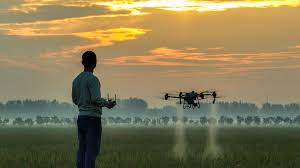

Agriculture is one of the oldest and most important industries in the world. Farmers have always worked hard to grow healthy crops and increase yields. In recent years, technology has changed how farmers work. One of the most promising technologies is custom drone spraying. This technology allows farmers to spray fertilizers, pesticides, and herbicides accurately and efficiently. Custom drone spraying is becoming a game-changer in modern agriculture because it improves productivity, saves time, and reduces costs.
Farmers today face many challenges. They need to manage large fields, reduce chemical waste, and ensure crops grow healthy. Traditional spraying methods, such as using tractors or manual spraying, are time-consuming, expensive, and sometimes harmful to the environment. Custom drone spraying solves these problems by offering a precise, fast, and cost-effective solution.
By using custom drone spraying, farmers can cover large areas quickly and with high accuracy. This technology ensures that crops receive the right amount of chemicals, reducing waste and increasing efficiency. It also allows farmers to monitor fields, detect problems early, and make better decisions. In this article, we will explore why custom drone spraying is the future of modern agriculture and how it can benefit farmers everywhere.
Benefits of Custom Drone Spraying in Agriculture
Custom drone spraying offers several benefits that make it an essential tool for modern farming. Here are some of the main advantages:
1. Precision in Crop Care
One of the most important benefits of custom drone spraying is precision. Drones can spray chemicals accurately on specific areas that need attention. This reduces the risk of over-spraying or under-spraying, which can harm crops or reduce yield. Farmers can target only the plants that need treatment, saving chemicals and improving crop health.
2. Saves Time and Labor
Traditional spraying methods require a lot of time and manpower. Using tractors or manual labor to spray chemicals over large fields can take hours or even days. Custom drone spraying covers large areas in a fraction of the time, reducing labor costs and making the process faster and more efficient.
3. Reduces Chemical Waste
Custom drone spraying ensures that chemicals are used efficiently. By applying fertilizers, pesticides, or herbicides only where needed, farmers reduce chemical waste. This not only saves money but also protects the environment by minimizing pollution and runoff into nearby water sources.
4. Improves Crop Yields
With precise spraying and better field management, crops receive the right nutrients and protection. Healthy crops grow faster and produce higher yields. Farmers can monitor the field with drones and address issues before they become serious problems. This leads to improved productivity and profitability.
5. Access to Hard-to-Reach Areas
Some fields have areas that are difficult to reach with traditional equipment, such as hills, wet soil, or uneven terrain. Custom drone spraying can easily reach these areas, ensuring that every part of the field receives proper care. This helps farmers manage their land more effectively.
6. Real-Time Monitoring and Data Collection
Many drones are equipped with sensors and cameras that provide real-time data. Farmers can monitor crop health, detect pests, and assess soil conditions. This data helps farmers make informed decisions about spraying, irrigation, and fertilization. Custom drone spraying combined with monitoring makes farming more precise and scientific.
How Custom Drone Spraying Is Changing Modern Agriculture
Custom drone spraying is more than just a new way to spray chemicals. It is transforming the entire approach to farming. Here is how it is changing modern agriculture:
1. Supports Sustainable Farming
Sustainability is becoming an important focus in agriculture. Farmers want to reduce chemical use and protect the environment. Custom drone spraying supports sustainable farming by using fewer chemicals, reducing runoff, and minimizing environmental impact. This technology helps farmers grow crops responsibly.
2. Increases Efficiency and Productivity
By automating spraying and improving precision, drones make farming more efficient. Farmers can cover more land in less time and achieve better results. This efficiency is critical in modern agriculture, where timely spraying can mean the difference between a successful harvest and crop loss.
3. Enhances Decision-Making
Custom drone spraying provides valuable data about crop health and field conditions. Farmers can make decisions based on accurate information rather than guesswork. This data-driven approach improves farm management and ensures better outcomes for crops and profits.
4. Reduces Costs
Although investing in drones requires an initial cost, custom drone spraying saves money in the long run. Farmers spend less on chemicals, labor, and equipment maintenance. This cost-effectiveness makes drones a smart choice for modern agriculture.
5. Adapts to Changing Agriculture Needs
Farming faces challenges like climate change, pests, and soil depletion. Custom drone spraying helps farmers adapt to these challenges by offering flexibility and precision. Farmers can respond quickly to problems and protect their crops more effectively.
Tips for Using Custom Drone Spraying Effectively
To get the best results from custom drone spraying, farmers should follow a few important tips:
- Hire Skilled Operators: Professional operators can control drones safely and efficiently.
- Plan Flight Paths: Plan which areas need spraying to save time and chemicals.
- Combine with Other Farming Data: Use drone data with soil tests and weather information for better decisions.
- Regular Maintenance: Keep drones in good condition to ensure accuracy and reliability.
- Follow Local Regulations: Make sure drone flights comply with local laws for safety and legal use.
Conclusion
Custom drone spraying is the future of modern agriculture because it provides precision, efficiency, and sustainability. It allows farmers to care for crops more accurately, save time and labor, reduce chemical waste, and increase yields. This technology is transforming the way farmers work, making agriculture more efficient and environmentally friendly.
