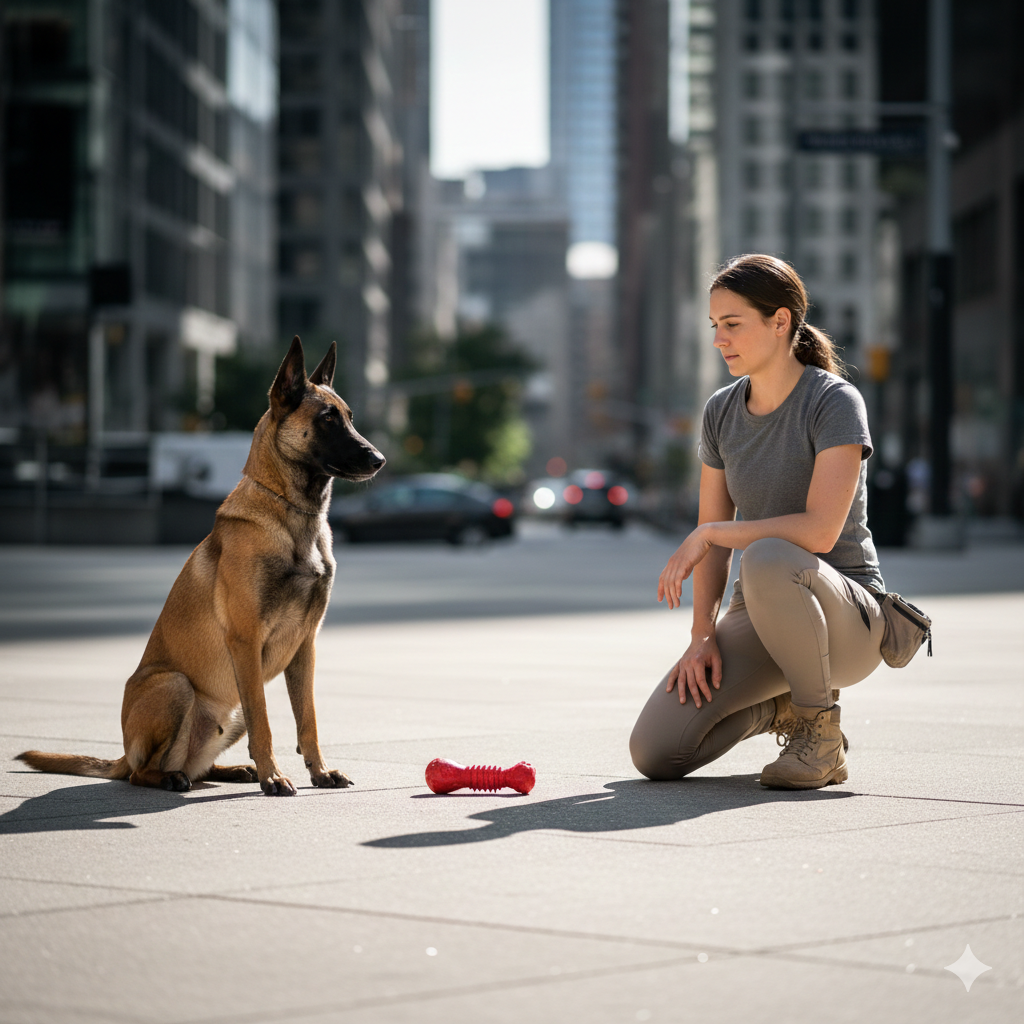

Few dog breeds test human understanding of behavior as intensely as the Belgian Malinois. Their intelligence, speed of learning, and environmental awareness often exceed the expectations of inexperienced owners. Without structured guidance, these strengths can quickly turn into behavioral challenges. This is where belgian malinois trainers become central to responsible ownership and long-term success.
Unlike companion breeds developed primarily for passive coexistence, the Belgian Malinois was shaped for function. Their instincts demand purpose, consistency, and mental engagement. When these needs are unmet, frustration and instability often follow. Professional training bridges the gap between genetic drive and modern living environments.
Understanding the Behavioral Complexity of the Breed
Belgian Malinois are problem-solvers by nature. They analyze patterns, anticipate movement, and respond rapidly to environmental changes. This cognitive intensity requires structured outlets that go beyond basic obedience. Without direction, dogs may invent behaviors that owners find undesirable.
Professional trainers understand how working-line genetics influence behavior. They recognize early warning signs such as overstimulation, fixation, or impulse overflow. Addressing these traits early prevents escalation into reactivity or anxiety. Breed literacy is essential for effective behavioral guidance.
The Difference Between General Training and Breed-Specific Training
General dog training focuses on universal behaviors such as sit, stay, and recall. While useful, these skills alone are insufficient for high-drive working breeds. Belgian Malinois require training frameworks that account for endurance, speed, and emotional intensity.
Breed-specific training emphasizes impulse control under stimulation. Trainers condition dogs to think before acting rather than simply responding. This distinction creates stability in unpredictable environments. Specialized training aligns behavior with real-world demands.
Early Development and Behavioral Shaping
The earliest months of a Malinois’ life significantly influence adult behavior. During this period, neural pathways develop rapidly based on exposure and reinforcement. Structured interaction shapes confidence and adaptability. Unstructured exposure can lead to overstimulation or fear imprinting.
Trainers guide controlled social exposure rather than random interaction. Puppies learn neutrality instead of hyper-engagement. This approach produces emotionally balanced adults capable of discerning context. Early structure reduces long-term behavioral correction needs.
The Role of Trainers in Preventing Behavioral Regression
Even well-trained dogs can regress without consistent reinforcement. Life changes such as relocation, schedule shifts, or environmental stress can affect behavior. Trainers provide recalibration strategies to restore balance. Maintenance training preserves reliability.
Regression often stems from unclear boundaries rather than disobedience. Trainers identify gaps in communication and structure. Adjustments are made without escalating pressure. Prevention-focused intervention supports long-term success.
Managing Drive Without Suppression
One of the greatest misconceptions in working dog training is that drive must be reduced. In reality, drive must be directed, not eliminated. Suppression often leads to frustration and behavioral fallout. Healthy outlets preserve mental well-being.
Trainers design exercises that channel intensity into controlled engagement. Structured work builds satisfaction and focus. This balance allows dogs to relax when not working. Drive management supports emotional regulation.
Handler Education as a Core Training Component
Effective training does not focus solely on the dog. Handler behavior significantly influences outcomes. Inconsistent cues, emotional reactions, or unclear expectations create confusion. Trainers educate handlers to communicate with clarity and timing.
Education includes reading canine body language and stress signals. Handlers learn to adjust expectations based on environmental variables. This knowledge prevents misinterpretation of behavior. Informed handling strengthens trust.
Environmental Exposure and Contextual Awareness
Belgian Malinois must learn to function across varied environments. Training environments expand gradually to include noise, crowds, and unfamiliar surfaces. Exposure is structured rather than chaotic. Contextual learning builds resilience.
Trainers control exposure intensity to prevent sensory overload. Dogs learn to remain neutral in high-stimulation settings. This adaptability is essential for modern living. Environmental competence reduces reactivity risk.
Ethical Responsibility and Training Boundaries
Ethical training prioritizes clarity and welfare over force. Trainers avoid fear-based methods that compromise trust. Ethical frameworks focus on reinforcement, consistency, and appropriate pressure levels. Boundaries are clearly defined.
Responsible training considers the dog’s emotional state at all times. Overtraining or unrealistic expectations undermine stability. Trainers balance challenge with recovery. Ethical practice sustains long-term behavioral health.
Long-Term Stability Beyond Obedience
True success is measured by reliability over time, not momentary performance. Stable dogs adapt to new environments without behavioral breakdown. This resilience reflects quality training foundations. Obedience is only one component.
Trainers focus on emotional regulation and decision-making skills. Dogs learn how to process uncertainty calmly. These skills remain valuable throughout the dog’s life. Stability becomes the defining outcome.
Evaluating Trainer Expertise and Methodology
Not all trainers possess breed-specific experience. Effective Belgian Malinois trainers demonstrate understanding of working genetics and behavioral nuance. Their methods reflect patience, structure, and adaptability. Transparency builds trust.
Evaluating expertise involves observing dog responses rather than credentials alone. Calm focus and controlled engagement indicate sound methodology. Dogs trained responsibly display confidence without tension. Outcomes reveal quality.
The Broader Impact of Professional Training
Well-trained Malinois contribute positively to public perception of the breed. Stable behavior reduces incidents and misunderstandings. Trainers indirectly support breed preservation through responsible education. Community trust benefits.
Training also reduces surrender rates caused by misalignment of expectations. Education empowers owners to meet challenges constructively. Responsible training creates sustainable ownership models. Broader impact extends beyond individual households.
Conclusion: Why Specialized Guidance Matters
Belgian Malinois require more than enthusiasm and admiration. Their intelligence and intensity demand informed guidance and structured development. Belgian malinois trainers provide the expertise necessary to transform potential into stability. Their role supports safety, balance, and ethical ownership.
Through early intervention, handler education, and long-term support, professional training ensures these dogs thrive in modern environments. Understanding the breed’s needs leads to better outcomes for both dogs and humans. Responsible guidance remains the foundation of success.