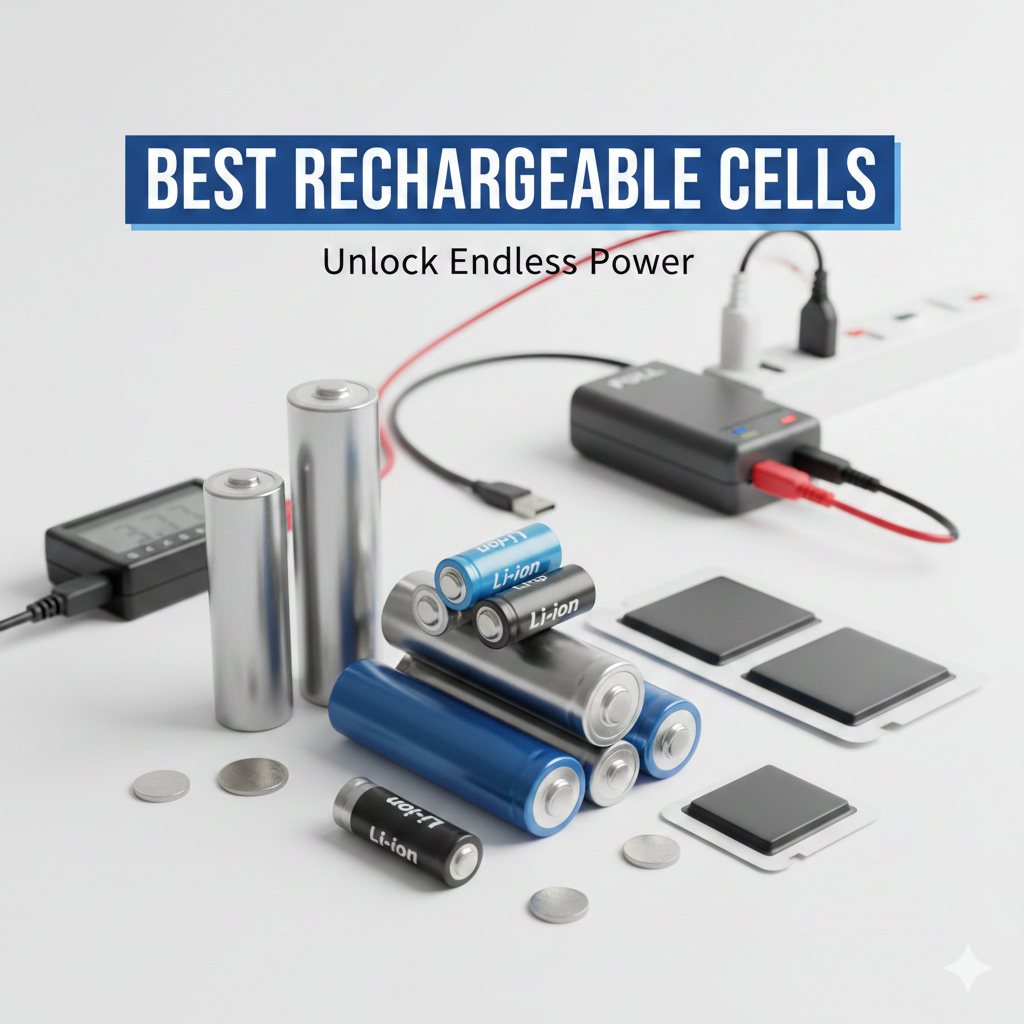

In today’s technology driven world, batteries power almost everything around us. From remote controls and toys to cameras, wireless devices, and emergency lights, reliable energy storage is essential. While disposable batteries have been widely used for decades, more people are now switching to rechargeable options for cost savings and environmental benefits. This shift has increased the demand for the best rechargeable cell that offers durability, efficiency, and long term value.
Choosing the best rechargeable cell can be confusing because the market is filled with different types, capacities, brands, and technologies. Some cells are ideal for high drain devices like cameras, while others are better suited for low power gadgets such as clocks or remotes. Understanding the differences helps you make an informed decision.
In this article, we will explore what makes a rechargeable battery the best choice, examine different types, compare their features, and provide practical guidance to help you select the right one for your needs.
What Is a Rechargeable Cell
A rechargeable cell is a battery that can be used multiple times by recharging it after it has been discharged. Unlike disposable batteries that are thrown away after a single use, rechargeable cells can go through hundreds or even thousands of charge cycles.
Rechargeable cells store electrical energy through chemical reactions that can be reversed when connected to a charger. This process restores their power, making them ready for reuse. The best rechargeable cell is one that maintains consistent performance, has a long lifespan, and provides reliable energy output.
Why Choose the Best Rechargeable Cell
Cost Efficiency Over Time
Although rechargeable cells usually cost more upfront than disposable batteries, they save money in the long run. A single high quality rechargeable battery can replace hundreds of single use batteries. This makes them a smart investment for households and businesses.
Environmental Benefits
Disposable batteries contribute significantly to environmental waste. By choosing the best rechargeable cell, you reduce landfill waste and lower the demand for raw materials used in battery production.
Reliable Performance
Modern rechargeable cells provide stable voltage and consistent performance. High quality cells are designed to handle multiple charge cycles without significant capacity loss.
Types of Rechargeable Cells
Understanding battery types is essential when searching for the best rechargeable cell.
Nickel Metal Hydride NiMH
NiMH batteries are among the most common rechargeable cells. They are widely used in AA and AAA sizes.
Advantages
- Affordable
- Good capacity
- Suitable for moderate to high drain devices
Best For
- Remote controls
- Toys
- Wireless keyboards and mice
- Digital cameras
NiMH cells are often considered the best rechargeable cell option for general household use due to their balance of cost and performance.
Lithium Ion Li ion
Lithium ion batteries are commonly used in smartphones, laptops, and power banks.
Advantages
- High energy density
- Lightweight
- Long lifespan
- Fast charging capability
Best For
- Portable electronics
- Power tools
- High performance devices
Lithium ion technology is often regarded as the best rechargeable cell solution for advanced electronic devices.
Lithium Iron Phosphate LiFePO4
LiFePO4 batteries are known for safety and long cycle life.
Advantages
- Excellent safety
- Very long lifespan
- Stable performance
Best For
- Solar systems
- Backup power
- Industrial applications
For heavy duty or renewable energy systems, LiFePO4 can be considered the best rechargeable cell choice.
Key Features to Consider When Choosing the Best Rechargeable Cell
Capacity Measured in mAh
Battery capacity is measured in milliampere hours mAh. Higher mAh means longer runtime. For example, a 2500 mAh AA battery will generally last longer than a 1800 mAh one in the same device.
When selecting the best rechargeable cell, consider the device’s power requirements. High drain devices benefit from higher capacity batteries.
Charge Cycles
The number of charge cycles indicates how many times a battery can be recharged before its performance drops significantly. High quality rechargeable cells can last between 500 and 2000 cycles depending on the type.
Self Discharge Rate
Some batteries lose their charge even when not in use. Low self discharge batteries retain power for months, making them ideal for emergency devices.
Charging Time
Fast charging batteries save time, but they require compatible chargers. Always use the recommended charger to extend battery life.
Safety and Protection
The best rechargeable cell should include built in safety features such as overcharge protection and temperature control, especially in lithium based batteries.
Best Rechargeable Cell for Different Applications
For Household Devices
AA and AAA NiMH batteries with capacities between 2000 mAh and 2500 mAh are ideal. They provide reliable performance for everyday gadgets.
For Cameras and High Drain Devices
High capacity NiMH or lithium ion cells are recommended. These devices consume more power and need batteries that can deliver steady voltage.
For Solar and Backup Systems
LiFePO4 batteries are often considered the best rechargeable cell option due to their long lifespan and safety profile.
For Power Tools
Lithium ion batteries dominate this category because they provide high energy density and quick charging.
How to Maintain Rechargeable Cells
Even the best rechargeable cell requires proper care to maximize lifespan.
Avoid Overcharging
Overcharging can reduce battery life. Use smart chargers that automatically stop charging when the battery is full.
Store Properly
Keep batteries in a cool, dry place. Extreme temperatures can damage internal components.
Use Regularly
Rechargeable cells perform better when used regularly. If stored for long periods, recharge them every few months.
Use Compatible Chargers
Always match the charger to the battery type. Using the wrong charger can reduce efficiency or cause damage.
Comparing Rechargeable Cells and Disposable Batteries
When evaluating the best rechargeable cell, it helps to compare them with disposable alternatives.
| Feature | Rechargeable Cell | Disposable Battery |
|---|---|---|
| Cost Over Time | Lower | Higher |
| Environmental Impact | Lower | Higher |
| Lifespan | Hundreds of cycles | Single use |
| Initial Price | Higher | Lower |
The long term benefits clearly favor rechargeable options.
Common Myths About Rechargeable Cells
Myth 1 Rechargeable Batteries Do Not Last Long
Modern rechargeable batteries are far more advanced than older versions. High quality options maintain strong performance across many charge cycles.
Myth 2 They Are Not Suitable for High Power Devices
Many rechargeable cells are specifically designed for high drain devices and perform exceptionally well.
Myth 3 They Are Complicated to Use
With smart chargers and improved technology, using rechargeable cells is simple and convenient.
Signs You Have Found the Best Rechargeable Cell
You can identify a high quality rechargeable battery by the following characteristics:
- Consistent performance across multiple cycles
- Minimal heat during charging
- Good user reviews and brand reputation
- Reliable warranty support
Investing in trusted manufacturers increases the chances of selecting the best rechargeable cell for your needs.
Future of Rechargeable Battery Technology
Battery technology continues to evolve. Researchers are developing solid state batteries, improved lithium technologies, and more environmentally friendly materials. These innovations aim to increase capacity, reduce charging time, and enhance safety.
As technology advances, the definition of the best rechargeable cell will continue to evolve, offering consumers even better performance and efficiency.
Conclusion
Choosing the best rechargeable cell depends on your specific needs, device type, and usage patterns. NiMH batteries are excellent for everyday household gadgets, lithium ion batteries power modern electronics and tools, and LiFePO4 cells provide durability for backup and solar systems.
Rechargeable batteries offer long term savings, environmental benefits, and dependable performance. By understanding battery types, capacity ratings, charge cycles, and maintenance practices, you can confidently select the right option.
Investing in the best rechargeable cell is not just about powering your devices. It is about making a smart, sustainable, and cost effective choice for the future.