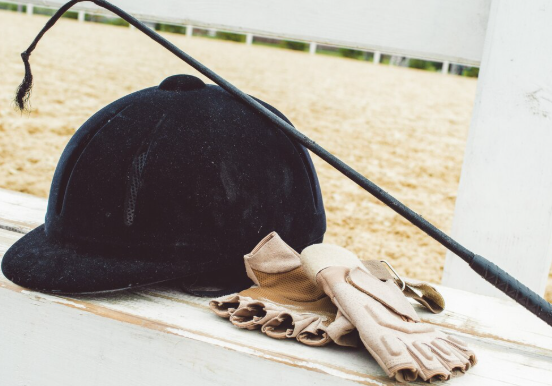

Rider progress often reaches a point where training feels consistent, yet performance stops improving. In many cases, the issue is not skill or effort but equipment that no longer supports the horse or rider effectively. Horse riding equipment plays a direct role in comfort, balance, and communication, all of which influence performance in every discipline.
Upgrading equipment is not about chasing trends. It is about recognising when current gear limits movement, stability, or comfort and making informed changes that support better results over time. As riders progress, their needs evolve, and equipment that once worked well may no longer provide the same level of support or responsiveness. Worn materials, poor fit, or outdated designs can subtly affect posture, communication with the horse, and overall confidence. By assessing performance honestly and prioritising function over appearance, riders can choose upgrades that enhance balance, improve feel, and reduce strain. Thoughtful equipment updates contribute to consistency, safety, and long-term growth for both horse and rider.
Signs Your Equipment Is Holding Back Performance
Equipment rarely fails all at once. Small signs usually appear first during training or competition. Subtle changes such as reduced comfort, slipping tack, uneven wear, or decreased responsiveness can indicate that gear is no longer performing as it should. Riders may notice increased fatigue, difficulty maintaining balance, or less effective communication with the horse. These early warning signs are often overlooked but can gradually impact performance and safety. Paying attention to these details allows riders to address issues before they become major problems. Regular inspections, honest self-assessment, and timely upgrades help maintain consistency, protect the horse’s wellbeing, and support long-term riding progress.
Common indicators include:
- Uneven sweat marks or dry patches
- Changes in horse behaviour under saddle
- Increased rider fatigue during normal sessions
- Difficulty maintaining consistent contact
Horse Riding Equipment should be reviewed as a complete system rather than individual items.
Changes in Your Horse’s Shape and Way of Going
Horses change as they train, age, or alter workload. Muscle development through the back and shoulders often affects how equipment fits, especially saddles.
Situations that often require upgrades include:
- Increased topline strength
- Weight fluctuation across seasons
- Transition into more demanding work
Equipment that fitted well previously may no longer distribute pressure evenly.
Rider Progress and Technical Demands
As riders improve, they ask more from both themselves and their horses. This often exposes limitations in older or entry-level equipment.
Improved balance and position can highlight:
- Inadequate saddle support
- Poor stirrup or girth stability
- Restricted leg position
Upgrading equipment allows technical improvements to translate into better performance.
Saddle Fit and Long-Term Comfort
The saddle has the greatest influence on performance. Poor fit affects balance, rhythm, and freedom of movement, even if other equipment is correct.
Key signs a saddle upgrade is needed include:
- Saddle movement during work
- Resistance in transitions
- Uneven rider position
Regular fit reviews help determine when replacement or adjustment is required.
Wear and Material Fatigue
Even high-quality equipment wears over time. Leather stretches, flocking compresses, and structural support changes subtly.
Wear-related issues often include:
- Loss of panel shape
- Reduced grip or stability
- Inconsistent balance
These changes can reduce effectiveness even if the equipment appears visually sound.
Discipline Changes and New Training Goals
Shifting focus from general riding to dressage, jumping, or competition work often requires more specialised equipment.
Upgrades may be necessary when:
- Moving into higher-level schooling
- Increasing jump height or technicality
- Training for competition standards
Equipment should match the demands placed on horse and rider.
Safety and Rider Confidence
Performance is closely tied to confidence. Worn or unsuitable equipment can affect rider security and focus.
Upgrading supports:
- More stable leg position
- Better balance through movement
- Increased confidence during demanding work
Confidence allows riders to perform consistently without hesitation.
Trial Periods and Professional Input
Upgrading should never be rushed. Trying equipment in real training conditions helps confirm suitability.
Professional services offered by Saddle Central allow riders to:
- Test equipment during normal work
- Receive fitting guidance
- Evaluate comfort over time
This reduces the risk of replacing one limitation with another.
Buying Saddles as Part of an Upgrade
When upgrading core items, the saddle is often the priority. Riders exploring horse riding saddles for sale should focus on fit, balance, and adjustability rather than brand alone.
Key considerations include:
- Panel design and pressure distribution
- Saddle balance during movement
- Future adjustability as training continues
A structured approach leads to measurable improvements.
Conclusion
Upgrading horse riding equipment becomes necessary when current gear limits comfort, balance, or progress. Changes in horse shape, rider ability, and training goals all influence when upgrades should occur. As horses develop muscle or alter condition, ill-fitting tack can create pressure points and restrict movement. Similarly, riders advancing in skill may require equipment that offers greater support, flexibility, or precision. Worn or outdated gear can also compromise safety and performance over time. Regularly evaluating how equipment feels during training and competition helps identify when adjustments are needed. Thoughtful upgrades ensure proper fit, enhance communication between horse and rider, and support continued improvement without unnecessary discomfort or setbacks.
Thoughtful assessment, professional support, and real-world testing ensure equipment continues to support better performance rather than restrict it.
FAQs
How often should riding equipment be reviewed?
It should be reviewed whenever the horse’s workload, shape, or behaviour changes.
Does better equipment always improve performance?
Only when it fits correctly and matches training demands.
Is saddle fit the most important factor?
Yes, saddle fit has the greatest impact on comfort and movement.