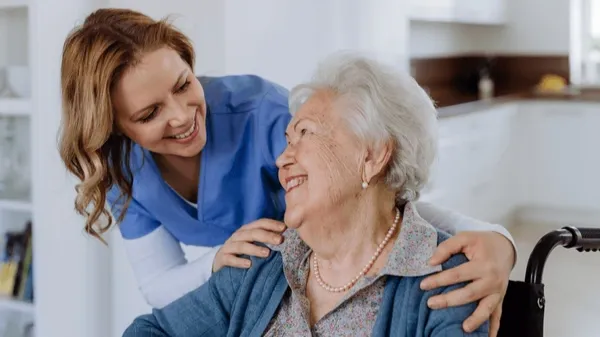

The Emotional Weight of Hospital Discharge
Hospital discharge often brings relief, yet it also brings fear. Families suddenly feel responsible for complex medical needs at home. Instructions feel rushed, confusing, and overwhelming to understand. Medications, follow-ups, and safety concerns create immediate stress. Many families realize they are unprepared for this transition. This is where professional home care Portland services become essential. Having expert guidance eases the pressure families feel instantly. Align Home Care Services understands this delicate transition deeply. Proper planning turns confusion into confidence for families. Support at this stage prevents complications and unnecessary hospital readmissions.
2. Why Discharge Instructions Feel Difficult to Follow
Hospital staff provide instructions quickly due to time limits. Families receive paperwork filled with medical terms and schedules. It becomes hard to remember every small care detail. Medication timings alone can confuse even educated caregivers. Wound care, mobility help, and diet rules add pressure. Families worry about making dangerous mistakes at home. Stress affects their ability to process information clearly. Questions often arise after returning home, not before. Without guidance, small errors can become serious problems. Professional caregivers help interpret and apply these instructions correctly.
3. The Sudden Shift from Visitor to Full-Time Caregiver
In the hospital, nurses handle most patient needs daily. At home, family members suddenly take over every responsibility. This shift happens without proper emotional preparation for caregivers. Loved ones feel anxious about handling medical equipment correctly. Simple tasks like transferring from bed feel risky. Sleep becomes limited due to constant monitoring needs. Caregivers often ignore their own health during this period. Emotional burnout starts within the first few days. Having trained help prevents families from feeling alone. Professional care restores balance and confidence in daily routines.
4. Common Mistakes Families Make After Discharge
- Skipping medication doses due to confusing schedules
- Ignoring early signs of infection or complications
- Allowing unsafe movement without proper support
- Missing follow-up appointments and therapy sessions
- Not maintaining proper hygiene during wound care
- Forgetting dietary restrictions advised by doctors
- Lifting patients incorrectly and causing injuries
- Delaying help due to fear of medical costs
These mistakes happen due to lack of experience, not neglect. Proper guidance prevents these avoidable risks completely.
5. The Physical Demands of Post-Hospital Recovery
Patients returning home often have limited mobility and strength. They may require help with bathing, dressing, and walking. Lifting and repositioning can strain family members physically. Caregivers without training risk injuring themselves during assistance. Patients may also feel frustrated needing constant help. This creates emotional tension between loved ones at home. Professional caregivers know safe handling techniques for recovery. Their presence reduces physical strain on family members daily. Recovery becomes smoother when handled with proper methods. Support ensures comfort for both patients and caregivers.
6. Medication Management Becomes a Major Challenge
Most discharged patients have multiple prescriptions to manage daily. Some medicines require exact timing and food conditions. Missing a dose can delay recovery or worsen health. Families often mix up similar-looking medication bottles. Side effects may appear without caregivers recognizing early signs. Professional caregivers track schedules with precision and care. They monitor reactions and report concerns immediately. This level of attention prevents dangerous complications at home. Medication support provides peace of mind to families. Accuracy here directly improves patient recovery outcomes.
7. Emotional Stress on the Entire Family
A hospital discharge affects every family member emotionally. Anxiety about the patient’s condition stays constantly present. Children and working adults feel pressure balancing responsibilities. Sleep disturbances and mental fatigue become very common. Family members may argue due to stress and fear. Patients also feel guilty for being dependent on loved ones. This emotional environment slows recovery significantly. Having outside help reduces tension within the household. Professional caregivers bring calmness and reassurance into homes. Emotional relief is as important as physical healing.
8. Creating a Safe Home Environment for Recovery
Homes are not designed like hospitals for patient safety. Slippery floors, stairs, and poor lighting increase fall risks. Bathrooms often become the most dangerous area quickly. Rearranging furniture and adding support equipment becomes necessary. Families may not know what modifications are essential. Professional caregivers assess and suggest immediate safety changes. Simple adjustments prevent accidents and emergency situations. Safety planning allows patients to move confidently indoors. A safe environment speeds up recovery and builds independence. Prevention is always easier than handling new injuries.
9. How Professional Home Care Bridges the Gap
Professional home care fills the gap between hospital and home. Caregivers understand both medical and personal care requirements. They follow discharge plans carefully and consistently. Their experience helps detect warning signs early. Families receive education while caregivers provide daily support. This partnership builds confidence in managing recovery routines. Align Home Care Services specializes in smooth hospital-to-home transitions. Their trained staff ensures patients receive proper attention daily. This reduces hospital readmissions and health setbacks significantly. Expert care makes recovery less stressful and more organized.
10. Supporting Rehabilitation and Faster Recovery
Many patients require therapy exercises after hospital discharge. These exercises must be done correctly for effective recovery. Families often lack knowledge about proper rehabilitation methods. Skipping exercises can delay healing and mobility improvement. Caregivers encourage and assist with daily movement routines. They ensure patients follow therapy instructions consistently. Motivation plays a huge role in patient recovery speed. Professional presence encourages patients to stay active safely. This active recovery reduces dependency over time. Proper support leads to quicker return to normal life.
11. Giving Families Time to Rest and Recharge
Continuous caregiving without breaks leads to quick burnout. Families need time to sleep, work, and relax mentally. Without rest, caregivers may unintentionally neglect important tasks. Respite care allows families to regain energy and focus. Knowing a professional is present reduces constant worry. This peace of mind improves overall household well-being. Balanced caregivers provide better emotional support to patients. Professional help protects both patient and caregiver health. Rested families make better decisions during recovery periods. Support creates sustainability in long-term care situations.
12. Conclusion: Turning Overwhelm into Confidence at Home
Hospital discharge does not have to feel frightening for families. With the right guidance, recovery becomes manageable and structured. Professional care ensures instructions are followed with accuracy. Families gain confidence while patients receive proper daily attention. Align Home Care Services helps ease this difficult transition smoothly. Their expertise significantly reduces stress, confusion, and health risks. Having trained support changes the entire recovery experience. Families feel empowered instead of overwhelmed at home. This support becomes even more important for memory conditions. Specialized alzheimer’s care Portland services ensure long-term comfort and safety.