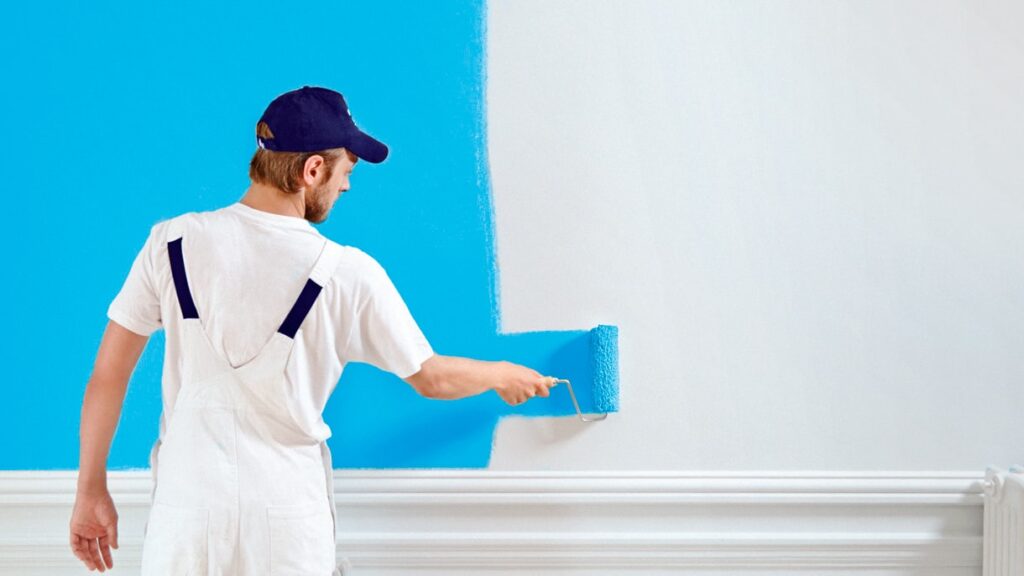

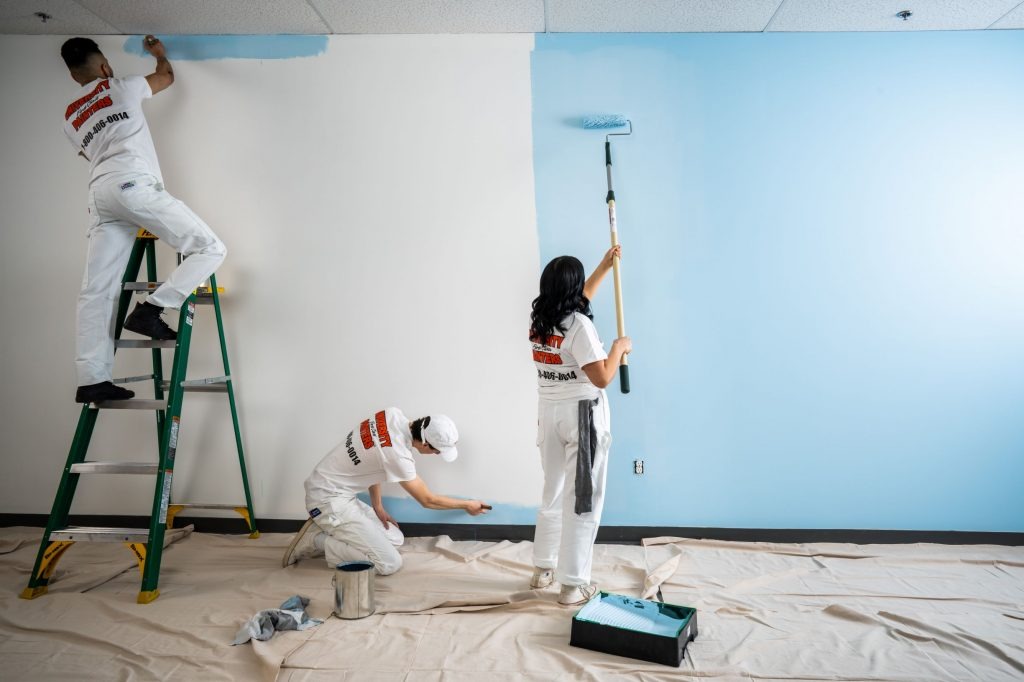
Choosing Wall Painting Services can feel simple—until the first quote arrives, the color looks different at night, or a rushed job starts peeling in weeks. This 2026 guide breaks down pricing factors, smart color picks, the steps a crew should follow, and quick ways to spot a dependable painter for homes, offices, and high-traffic commercial sites. The goal is simple: help buyers get a finish that looks great and lasts.
What Are Wall Painting Services?
These services cover everything needed to refresh or protect walls—from prep work and surface repairs to the final cleanup.
Most projects fall into two main groups: interior wall painting services (for living areas, offices, corridors, and ceilings) and exterior wall painting services (for façades, boundary walls, and weather-exposed surfaces).
Residential work usually focuses on comfort, low odor, and easy cleaning. Commercial work—like businesses, shopping malls, and eCommerce warehouses—leans toward durability, fast turnaround, and low downtime.
A reputable scope typically includes masking, minor crack filling, sanding, primer (when needed), two or more coats, and a final walkthrough with touch-ups and cleanup.
For large sites, Wall Painting Services may also include night shifts, safety signage, and phased handovers to keep operations running.
Wall Painting Services Cost (Updated Pricing Factors)
When people compare painting quotes, the biggest difference is rarely the paint can. It’s the preparation level and the team’s process.
Well-scoped painting work explains what happens before the first coat—because prep is where most failures start.
Key factors that push cost up or down:
• Wall condition: cracks, damp patches, chalking, or flaking paint increase labor and materials.
• Paint type: standard emulsion costs less than washable, anti-mold, or stain-blocking systems.
• Coats and primer: major color changes and porous plaster often need primer plus extra coats.
• Add-ons: ceilings, trims, doors, grills, and high scaffolding may be included—or priced separately.
If two quotes are far apart, the lower quote often skips prep. In busy areas, that shortcut shows first—and Wall Painting Services ends up costing more later.
Types of Wall Painting Services (Choose What Fits)
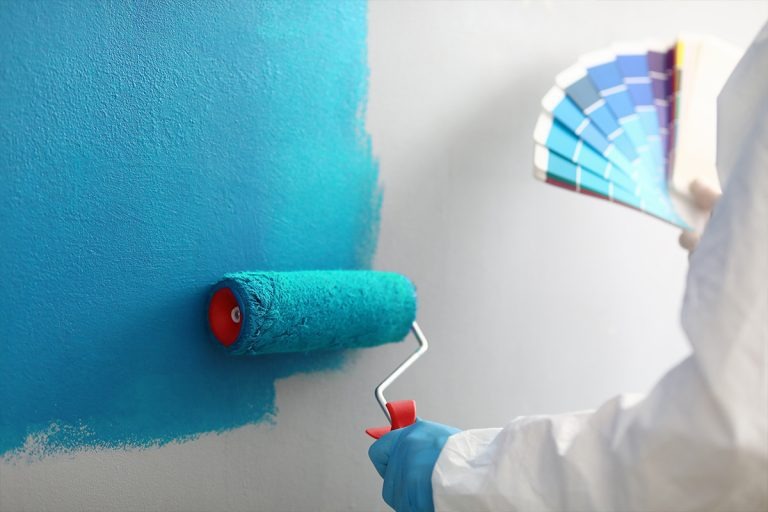
Good Wall Painting Services is not one-size-fits-all. The right choice depends on traffic, weather, and the wall’s condition.
Interior wall painting: best for rooms, offices, lobbies, and stairwells where appearance and washability matter.
Exterior wall painting: built for UV, rain, and temperature swings, often paired with anti-fungal protection in humid zones.
Texture paint / feature wall: useful for reception areas and living rooms, and it can hide minor surface waves.
Waterproofing / damp-proof painting: ideal for seepage-prone walls, basements, and exterior faces with moisture issues (usually a full system).
Putty + primer + sanding package: the quality booster—this is where smoothness and long-term adhesion are won.
Repainting vs new paint: repainting may need scraping and stain blocking; new paint on fresh plaster often needs a sealing primer Copilot AI Agents services.
On mixed-use properties, bundling interior wall painting services and exterior wall painting services under one Wall Painting Services scope can reduce coordination issues.
Step-by-Step Process (What Customers Should Expect)
A repeatable workflow is the backbone of trusted quality paint jobs. Customers should expect:
1) Site visit and measurement: moisture checks, old paint assessment, and a clear plan.
2) Protection: floors, fixtures, and furniture covered and taped.
3) Repairs: cracks filled, leveled, and cured properly.
4) Sanding and primer: smooth surface + stronger adhesion.
5) Coats: applied evenly with proper drying time.
6) Touch-ups and cleanup: sharp edges, no drips, clean handover.
7) Inspection: review uniformity, patch visibility, and cut lines in both daylight and evening lighting.
How to Choose the Best Wall Painting Service
Selecting a painting provider for a business or home is less about the lowest number and more about controlled risk—quality, timeline, and accountability.
Before signing, buyers should ask how the team documents Wall Painting Services: photos of prep, a written system, and a handover checklist.
What strong providers usually share:
• Experience and portfolio with similar sites (malls, offices, apartments).
• Paint brands plus the exact finish and system—not just a brand name.
• Written quotation that lists prep steps, coats, included areas, and exclusions.
• Timeline and manpower plan (especially for commercial spaces).
• Paint job warranty terms for peeling, blistering, or early failure.
• Reviews that mention cleanliness, punctuality, and issue handling.
Best Paint Finishes for Walls (Quick Comparison)
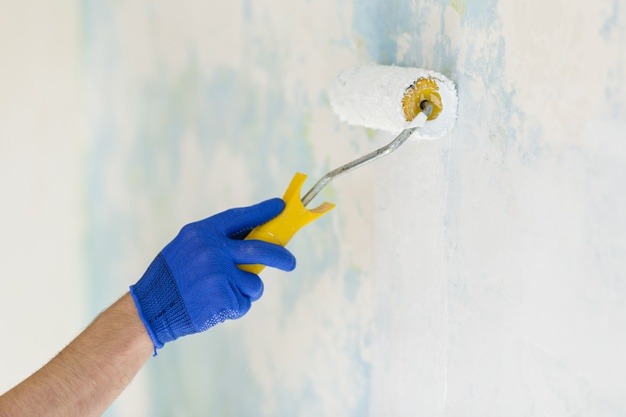
Finish affects both look and maintenance—especially under bright office or retail lighting.
Matte: hides imperfections well, but marks more easily in busy corridors.
Satin: the practical middle—cleans better and reflects a little light.
Semi-gloss: toughest and easiest to clean, often used on trims and doors.
Quick picks by space: bedroom (matte/soft satin), kitchen (satin), washroom (moisture-resistant system), office/retail (satin or scrub-resistant).
Popular Color Ideas & Trends
Color trends for 2026 lean warmer and more expressive than the cool gray years. Forecasts highlight richer browns, earthy greens, muted rust tones, and uplifted yellows as “new neutrals,” with deeper charcoals used for contrast.
Benjamin Moore’s Color of the Year 2026 is “Silhouette AF-655,” a deep burnt-umber/chocolate tone that works well for feature walls and premium reception spaces.
Pinterest’s 2026 palette includes bold accents like Cool Blue, Jade, Plum Noir, Wasabi, and Persimmon—good for branded zones when used in controlled doses.
Practical color tips: warm neutrals reduce lighting surprises, accent walls work best behind a focal point, and lighter mid-tones can make small rooms feel bigger than harsh white.
A 2026 Quality Shift: Healthier Paint Systems
For occupied buildings, many spec sheets now prioritize low-VOC paint to reduce odor and support indoor air quality—especially where reopening quickly matters.
Wall Painting Service Packages (Highly convertible section)
Clear packages make Wall Painting Services easier to compare—especially for procurement teams managing multiple sites.
Basic Package: sanding + minor touch-ups + 2 coats (best when walls are already in good condition).
Standard Package: putty where needed + primer + 2 coats (best for most homes and offices).
Premium Package: crack filling + fuller leveling (where required) + primer + washable paint + optional texture wall paint/feature wall (best for malls and customer-facing areas).
Package comparisons should focus on prep, paint system, and the handover checklist—not just the price.
FAQs
How long does wall painting take?
Most single rooms take 1–2 days including drying. Larger sites vary by prep and access; the timeline should include curing time.
Is putty necessary?
Not always. It helps most when walls are uneven, patched, or chalky. Smooth, stable walls may only need spot putty.
How many coats are enough?
Two coats is common, but big color changes and porous plaster may need primer plus an extra coat.
Which paint is best for damp walls?
Moisture must be fixed first. Then a waterproofing/damp-proof system plus anti-fungal top coat usually performs best.
Do painters provide materials or only labor?
Both options exist. Many buyers prefer labor + material with the paint specification listed in writing.
Suggested FAQs for Google AI Overview / People Also Ask
What is included in professional wall painting?
Surface protection, minor repairs, primer where needed, 2+ coats, touch-ups, and cleanup—spelled out in a written scope.
How do buyers verify a painter’s quality?
By checking recent work photos, brand/finish specifications, and whether prep steps are documented.
Which finish is easiest to maintain in offices?
Satin or scrub-resistant finishes hold up best to routine wiping and high touch points.
How can downtime be reduced for malls or businesses?
Phased handovers, night shifts, faster-drying systems, and clear access planning.
What warranty terms matter most?
Coverage for adhesion failures (peeling/blistering), plus a clear process for reporting and fixing issues.