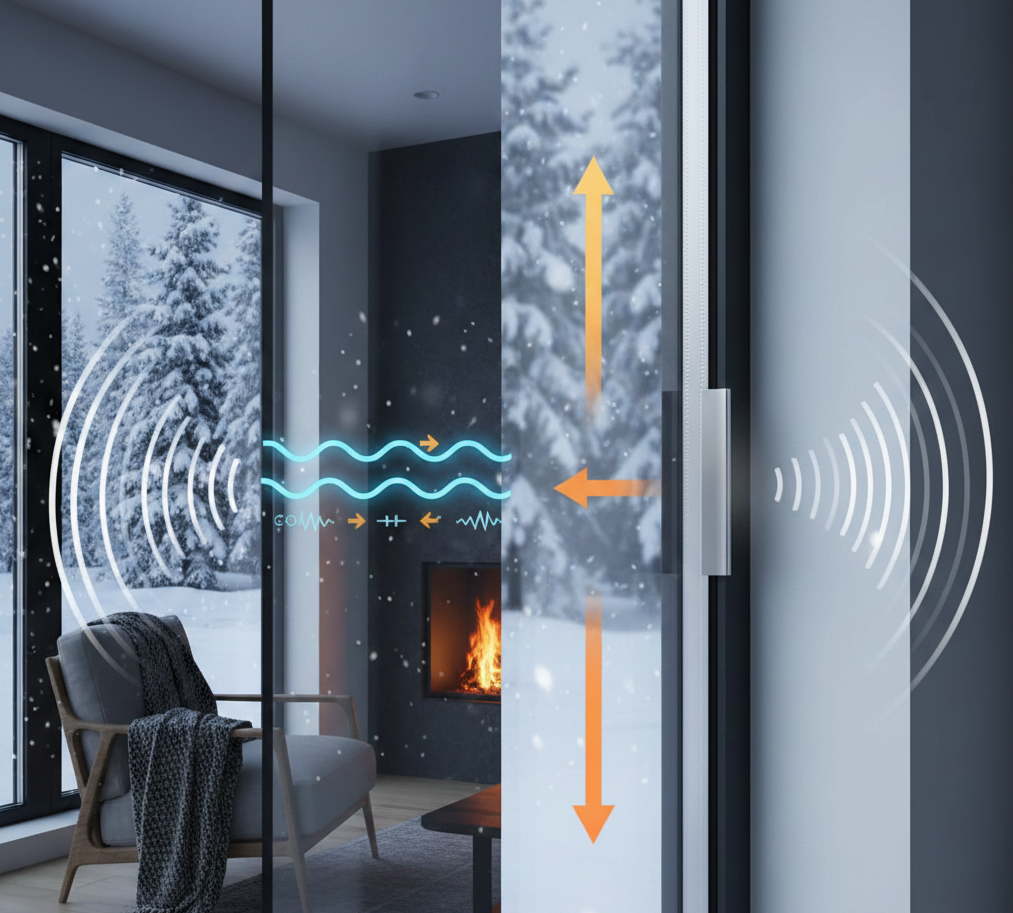

In recent years, homeowners, architects, and building managers across Canada have become increasingly focused on improving energy efficiency, indoor comfort, and noise reduction. Windows, often the weakest point in a building’s thermal and acoustic envelope, play a critical role in achieving these goals. While traditional double-glazing has long been considered the gold standard, modern advancements have revealed smarter, more adaptable solutions.
One such solution is Magnetite glazing, an innovative secondary glazing system that challenges conventional assumptions about window performance. Backed by science and real-world results, Magnetite has proven to outperform expectations—often delivering results comparable to, and sometimes better than, full double-glazing replacements.
This article explores the science behind double-glazing, explains how Magnetite works, and reveals why this modern system is far more effective than many people realize.
Understanding the Basics of Double-Glazing
To understand why Magnetite performs so well, it’s important first to understand the science behind traditional double-glazing.
What Is Double-Glazing?
Double-glazed windows consist of two panes of glass separated by a sealed air or gas-filled gap. This gap acts as an insulating barrier, reducing the transfer of heat and sound through the window.
The key objectives of double-glazing are:
- Thermal insulation – keeping heat inside during winter and outside during summer
- Sound insulation – reducing external noise
- Condensation control – minimizing moisture buildup on glass surfaces
- Energy efficiency – lowering heating and cooling costs
While effective, traditional double-glazing has limitations, especially when retrofitting older buildings or heritage properties.
The Physics Behind Window Insulation
At the heart of window performance lies basic physics—specifically heat transfer and sound transmission.
Heat Transfer Through Windows
Heat moves through windows in three main ways:
- Conduction – heat passing directly through glass
- Convection – air movement transferring heat
- Radiation – heat radiating from warm surfaces to cooler ones
Single-pane windows offer little resistance to these processes. Double-glazing improves performance by introducing a sealed air gap, slowing down heat transfer.
Sound Transmission Through Glass
Sound travels as vibrations through air and solid materials. Thin glass panes easily transmit these vibrations. Double-glazing reduces noise by:
- Increasing mass (two panes instead of one)
- Creating an air gap that disrupts sound waves
However, the effectiveness of sound insulation depends heavily on the distance between panes and the tightness of the seal.
Where Traditional Double-Glazing Falls Short
Despite its benefits, conventional double-glazing is not always the ideal solution.
High Cost of Replacement
Replacing existing windows with double-glazed units can be expensive, especially for large homes or commercial buildings. Costs increase further when custom sizes or specialized frames are required.
Installation Challenges
Window replacement is invasive. It often involves:
- Removing existing frames
- Structural modifications
- Interior and exterior disruption
For heritage buildings, this may not even be allowed.
Limited Acoustic Performance
Many standard double-glazed windows use narrow gaps between panes. While effective for thermal insulation, narrow gaps are less effective at blocking low-frequency noise such as traffic, trains, or aircraft.
Introducing Magnetite: A Smarter Approach to Glazing
Magnetite is a secondary glazing system designed to be installed over existing windows, creating a powerful insulating air gap without replacing the original glass.
Unlike traditional secondary glazing, Magnetite uses magnetic seals, allowing panels to be easily removed for cleaning or ventilation.
How Magnetite Works: The Science Explained
Magnetite’s effectiveness lies in its ability to optimize the same principles as double-glazing—while improving on them.
A Larger Air Gap = Better Performance
One of the most significant advantages of Magnetite is the larger air cavity it creates. In many installations, the gap between the existing window and the Magnetite panel is much wider than that of standard double-glazed units.
From a scientific standpoint:
- Larger air gaps significantly reduce heat transfer
- Sound waves lose energy as they pass through wider cavities
- Low-frequency noise is more effectively dampened
This is why Magnetite often outperforms standard double-glazing in acoustic testing.
Magnetic Seals and Airtight Performance
Magnetite panels are held in place using strong magnetic edging, creating an airtight seal around the window frame.
This airtightness is crucial because:
- Air leaks drastically reduce insulation performance
- Drafts are a major source of heat loss
- Sound travels easily through gaps
By eliminating these weak points, Magnetite enhances both thermal and acoustic insulation.
Thermal Performance: Keeping Heat Where It Belongs
Reducing Heat Loss in Winter
In cold Canadian winters, heat naturally moves from warmer indoor spaces to colder outdoor air. Magnetite slows this process by:
- Trapping still air between glass layers
- Reducing convection currents
- Adding an extra thermal barrier
This leads to warmer indoor temperatures and reduced reliance on heating systems.
Blocking Heat Gain in Summer
Magnetite also works in reverse during warmer months. By limiting heat transfer from outside to inside, it helps maintain cooler indoor temperatures, reducing air-conditioning costs.
Acoustic Performance: A Quiet You Can Feel
Noise pollution is one of the most overlooked aspects of indoor comfort.
Why Magnetite Excels at Soundproofing
Sound insulation improves when:
- The distance between glazing layers increases
- Different glass thicknesses are used
- Seals are airtight
Magnetite meets all three criteria.
Independent testing has shown that Magnetite can reduce noise by up to 70%, making it particularly effective for homes near busy roads, railways, or urban centers.
Read more blogs here!
Condensation Control and Indoor Air Quality
Understanding Condensation
Condensation occurs when warm, moist air contacts a cold surface. Traditional single-pane windows are especially prone to this.
How Magnetite Helps
By keeping the interior glass warmer, Magnetite reduces the likelihood of condensation forming. This not only improves visibility but also:
- Reduces mold and mildew growth
- Protects window frames from moisture damage
- Improves indoor air quality
Energy Efficiency and Sustainability
Lower Energy Bills
By reducing heat loss and gain, Magnetite helps lower energy consumption. Over time, these savings can be significant.
A Sustainable Choice
Unlike full window replacement, Magnetite:
- Extends the life of existing windows
- Reduces landfill waste
- Requires fewer raw materials
This makes it an environmentally responsible option for eco-conscious homeowners.
Ideal for Heritage and Older Buildings
Many Canadian buildings feature original windows that cannot be replaced due to heritage restrictions. Magnetite offers a solution that:
- Preserves original aesthetics
- Requires no permanent alterations
- Can be removed if needed
This makes it especially popular for historic homes, schools, and government buildings.
Ease of Installation and Flexibility
Minimal Disruption
Magnetite installation is fast and non-invasive. There’s no need to remove existing windows or disturb interior finishes.
Removable and Adaptable
The magnetic design allows panels to be:
- Removed for cleaning
- Temporarily taken down for ventilation
- Reinstalled with ease
This flexibility sets Magnetite apart from fixed double-glazing solutions.
Real-World Applications Across Canada
Magnetite has been successfully installed in:
- Residential homes
- Condominiums
- Office buildings
- Schools and universities
- Healthcare facilities
Its adaptability makes it suitable for nearly any property type.
Why More Canadians Are Choosing Magnetite
As awareness grows, more property owners are realizing that window performance isn’t just about replacing glass—it’s about understanding the science behind it.
Magnetite delivers:
- Superior insulation
- Exceptional noise reduction
- Long-term cost savings
- Sustainable performance
All without the drawbacks of full window replacement.
Choosing the Right Experts Matters
Like any building upgrade, performance depends heavily on proper assessment and installation. Working with experienced professionals ensures optimal results.
For property owners in Canada looking to improve comfort, efficiency, and quiet without replacing their windows, Magnetite Canada offers tailored solutions backed by expertise and proven performance.
Final Thoughts: Rethinking What Double-Glazing Can Be
The science behind double-glazing has evolved, and Magnetite represents the next step in that evolution. By maximizing air gaps, improving airtightness, and enhancing acoustic performance, Magnetite delivers results that often exceed expectations.
For anyone who believes double-glazing is the only path to better windows, Magnetite proves there’s a smarter, more flexible, and highly effective alternative—one that works better than most people think.