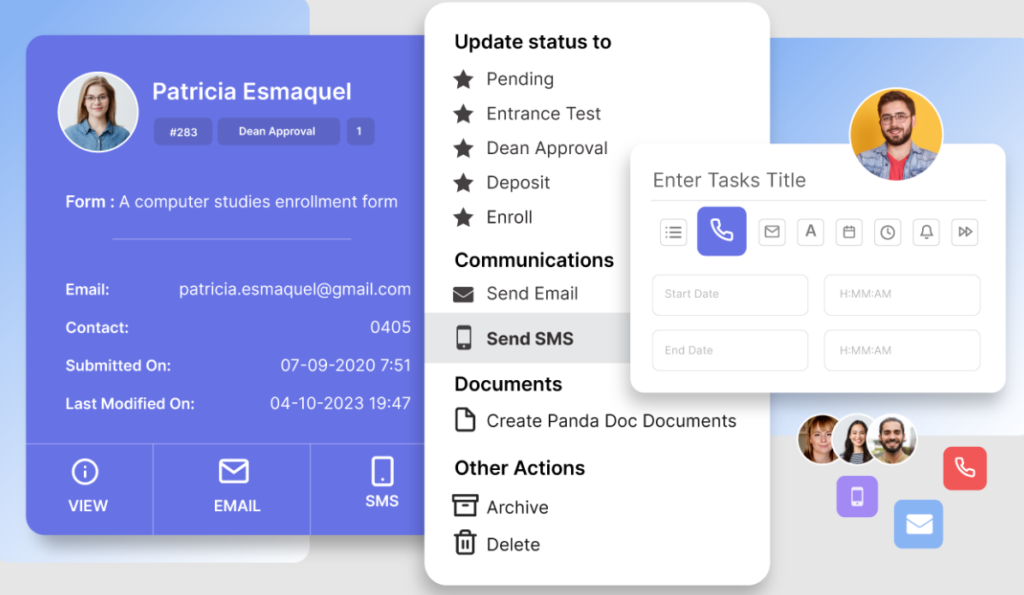

Education in 2026 is no longer limited to classrooms, notice boards, and spreadsheets. Institutions today operate in a highly competitive, digital-first environment where student expectations, data management, and communication standards are constantly evolving. From personalized engagement to data-driven decision-making, technology is shaping how institutions attract, retain, and support learners.
At the center of this transformation is Education CRM Software, which has emerged as a strategic system rather than just a contact management tool. Modern education systems now rely on CRM platforms to manage the entire student lifecycle—right from first inquiry to alumni engagement—while improving transparency, efficiency, and student satisfaction.
Key Takeaways
- Understand how education CRM platforms support the full student lifecycle
- Learn the core challenges institutions face without a centralized CRM
- Explore key benefits and features driving adoption in 2026
- Discover practical tips to choose and implement the right solution
Why Modern Education Systems Need Smarter Relationship Management
Educational institutions today handle thousands of interactions daily—student inquiries, admissions follow-ups, counseling sessions, academic updates, and alumni communication. Managing these touchpoints manually or across disconnected systems often leads to data silos, missed opportunities, and inconsistent experiences.
As enrollment competition increases and learners demand more personalized communication, institutions must move beyond traditional systems. A centralized CRM approach allows institutions to track interactions, analyze behavior, and engage students at the right time with the right message—without overwhelming staff.
Challenges Faced by Institutions Without a CRM Approach
Many schools, colleges, and universities still rely on spreadsheets, emails, or fragmented tools to manage relationships. This creates several operational challenges:
- Disorganized student data spread across departments
- Delayed follow-ups during admissions and enrollment cycles
- Limited visibility into student engagement and performance trends
- Manual communication workflows that consume staff time
- Inconsistent student experience across touchpoints
These challenges not only affect efficiency but also directly impact enrollment rates, retention, and institutional reputation.
How CRM Technology Transforms Education Operations
A modern education-focused CRM brings structure, automation, and intelligence into daily operations. It connects admissions, academics, finance, marketing, and alumni relations on a single platform.
With Education CRM Software, institutions gain a unified view of every learner, enabling teams to collaborate better and respond faster. Automated workflows reduce manual effort, while analytics provide insights that help leaders make informed decisions about recruitment strategies, student support, and long-term growth.
Core Benefits for Institutions, Educators, and Students
The value of CRM adoption extends across all stakeholders:
For institutions:
- Higher enrollment conversion rates
- Improved retention and completion outcomes
- Centralized data for compliance and reporting
For educators and staff:
- Reduced administrative workload
- Better coordination across departments
- Clear visibility into student progress and needs
For students:
- Timely, personalized communication
- Seamless onboarding and support experiences
- Greater engagement throughout their academic journey
These benefits explain why CRM platforms are becoming a core pillar of modern education infrastructure.
Essential Features to Look for in 2026
Not all CRM systems are designed for education. Institutions should prioritize platforms built specifically for academic environments. Key features to evaluate include:
- Lead and inquiry management for admissions teams
- Automated communication via email, SMS, and portals
- Student lifecycle tracking from prospect to alumni
- Integration with SIS, LMS, and finance systems
- Real-time analytics and dashboards for leadership insights
- Data security and compliance with education regulations
Scalability and ease of use are equally important, especially for institutions planning long-term digital growth.
Best Practices for Selecting the Right CRM Solution
Choosing the right platform requires more than a feature checklist. Institutions should take a strategic approach:
- Define goals clearly – enrollment growth, retention, engagement, or all three
- Involve key stakeholders – admissions, IT, academics, and leadership
- Assess integration needs with existing systems
- Prioritize user experience for staff and students
- Evaluate vendor expertise in the education sector
A CRM should adapt to institutional processes—not force teams to change workflows unnecessarily.
Implementation Tips for Maximum Impact
Even the best technology delivers results only when implemented correctly. To maximize ROI:
- Start with clean, well-structured data migration
- Train teams with role-specific onboarding sessions
- Automate high-impact processes first, such as admissions follow-ups
- Monitor adoption metrics and gather user feedback regularly
- Use analytics to continuously refine engagement strategies
Successful institutions treat CRM adoption as an ongoing transformation, not a one-time setup.
Frequently Asked Questions
1. Is a CRM only useful for admissions teams?
No. While admissions is a major use case, CRM platforms support academics, student services, finance, marketing, and alumni engagement, creating value across the entire institution.
2. Can small institutions benefit from CRM software?
Absolutely. Smaller institutions often see faster results because automation reduces manual workload and improves communication efficiency with limited staff.
3. How does a CRM improve student retention?
By tracking engagement data and automating timely interventions, institutions can identify at-risk students early and provide personalized support before issues escalate.
4. Is data security a concern with CRM platforms?
Reputable education-focused CRM providers prioritize data encryption, role-based access, and compliance with education data protection standards.
5. How long does CRM implementation usually take?
Implementation timelines vary based on institution size and complexity, but many modern platforms can be deployed in phases within a few weeks.
Take the Next Step Toward Smarter Education Management
As education systems continue to evolve, institutions that invest in relationship-driven technology gain a clear competitive advantage. A well-implemented CRM empowers teams, enhances student experiences, and supports sustainable growth in an increasingly digital landscape.
Platforms like Classe365 demonstrate how innovation, education expertise, and integrated design can help institutions build trust, streamline operations, and lead confidently into the future of modern education.