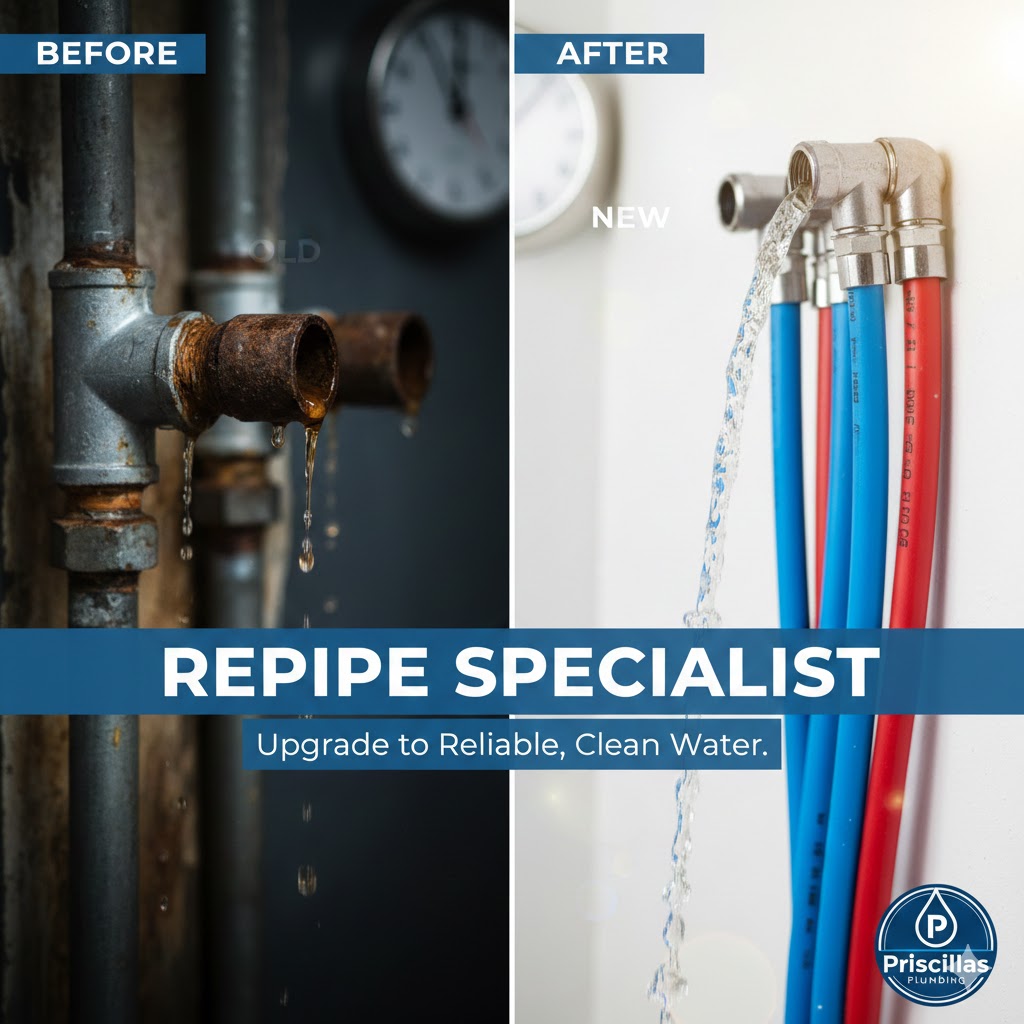

For many homeowners, the plumbing system is a “set it and forget it” component of the house until something goes wrong. Behind your walls and under your floors, a network of pipes works tirelessly to deliver fresh water and remove waste. However, like any other material, these pipes have a lifespan. When they begin to fail, the consequences can range from minor annoyances like low water pressure to catastrophic water damage that costs thousands in repairs.
The process of replacing these aging systems is known as repiping. It is a significant undertaking that requires precision, local building code knowledge, and a deep understanding of modern materials. Choosing to upgrade your home’s infrastructure is an investment in the longevity and safety of your property.
Why You Need a Qualified Repipe Specialist for Your Home
When a single leak occurs, a quick patch might suffice. However, when leaks become frequent or your water quality begins to decline, a “quick fix” is no longer enough. This is where the expertise of a Repipe Specialist becomes invaluable. Unlike a general handyman, a specialist focuses specifically on the comprehensive replacement of a home’s entire plumbing network.
A specialist understands the nuances of different piping materials, from the vulnerabilities of older galvanized steel to the flexibility and durability of modern PEX (cross-linked polyethylene). They have the tools and the streamlined processes to open walls minimally, replace the system efficiently, and restore your home’s functionality with as little disruption as possible. Engaging a specialist ensures that the new system is balanced correctly for water pressure and that all connections are airtight, preventing future headaches.
Signs Your Plumbing System is Failing
Knowing when to call in the experts is half the battle. Many plumbing issues start small and hidden behind drywall. If you notice any of the following, it may be time to consider a full system overhaul.
Persistent Low Water Pressure: If your morning shower feels more like a drizzle, it might not be the showerhead. Over time, older pipes especially galvanized steel develop internal corrosion and “scaling.” This buildup narrows the path for water, significantly reducing the pressure throughout the home.
Discolored or Rusty Water: Have you noticed a brown or yellowish tint to your water when you first turn on the tap? This is a primary indicator that your iron pipes are rusting from the inside out. Not only is this unappealing for bathing, but it can also stain your laundry and fixtures.
Frequent Pipe Leaks: If you find yourself calling for a plumber every few months to fix a “pinhole leak,” your pipes are likely reaching the end of their service life. Multiple leaks are a sign of systemic failure rather than isolated incidents.
Visible Corrosion on Exposed Pipes: If you can see your pipes in a basement or crawlspace, look for signs of “flaking,” green stains (on copper), or white chalky deposits. These are all indicators that the metal is degrading.
Choosing the Right Materials: PEX vs. Copper
A major part of the repiping process involves deciding which material will serve your home for the next 50 years. A professional will typically guide you through two main options.
Copper is the traditional gold standard. It is naturally antibacterial, incredibly durable, and has been used for decades. It is fire-resistant and holds up well against the elements. However, copper is more expensive and requires more labor to install because every joint must be soldered.
PEX (Cross-linked Polyethylene) has become the modern favorite. It is a flexible plastic tubing that is resistant to scale and chlorine. Because it is flexible, it can often be “fished” through walls, which means fewer holes in your drywall. It is generally more affordable than copper and performs exceptionally well in cold climates because it can expand slightly if the water inside freezes, making it less likely to burst.
To better understand how these infrastructure upgrades impact your daily life, you might want to explore our recent project highlights or read our guide on improving residential water efficiency to see how modern systems save you money on monthly utilities.
The Repiping Process: What to Expect
Many homeowners hesitate to start a repipe because they fear their home will be a construction zone for weeks. However, a streamlined professional process usually looks like this:
The Inspection: A thorough walkthrough to map out the current system and identify the best routes for the new lines.
Protection: Your furniture and floors are covered with drop cloths to protect them from dust and debris.
Small Openings: Instead of tearing down entire walls, small “access points” are cut into the drywall to reach the pipe junctions.
Installation: The old pipes are bypassed, and the new copper or PEX lines are installed.
Testing: The system is pressurized and inspected for any leaks before the water is fully turned back on.
Restoration: The drywall is patched, textured, and painted to look as if it were never touched.
Long-Term Benefits of Modern Plumbing
The immediate relief of a repipe is great, but the long-term benefits are even better. Beyond the peace of mind that comes with leak-free living, you will likely see an increase in your property value. Homebuyers are often wary of older homes with original plumbing; having a certified repipe completed is a major selling point. Additionally, your modern appliances, like dishwashers and water heaters, will last longer because they won’t be clogged with the rust and debris found in old pipes.
Conclusion
Upgrading your home’s plumbing is one of the most significant maintenance tasks you can undertake, but it is also one of the most rewarding. It transforms the way you interact with your home, providing clean water and reliable pressure for years to come. When you are ready to make this vital upgrade, you need a team that prioritizes quality, transparency, and technical excellence. At Priscillas Plumbing, we take pride in being the experts you can trust for complex home infrastructure projects. Our team is committed to delivering seamless results with minimal disruption to your daily routine. We understand that your home is your sanctuary, and we treat every project with the care and precision it deserves. From the initial inspection to the final coat of paint on your walls, we are here to ensure your plumbing system is built to last.