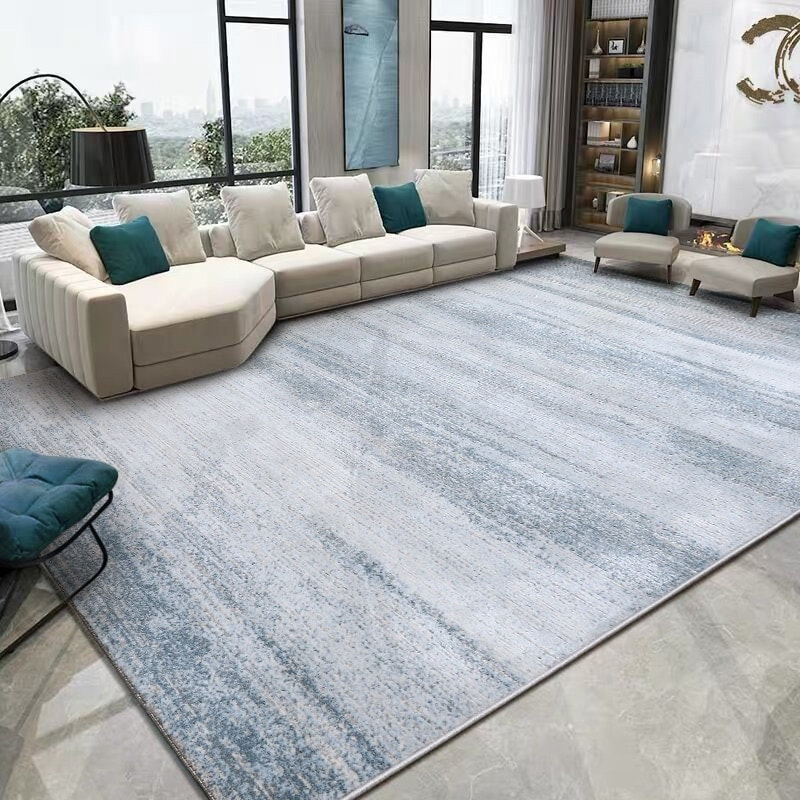

You moved the sofa last Tuesday. Switched the cushions around on Thursday. Picked up a new lamp over the weekend because maybe that was the problem. The room still looks like something is quietly, stubbornly wrong.
Guess what it is probably the rug.
Not your furniture choices. Not your paint color. Not the lamp that absolutely was not the problem. The rug is sitting in the wrong spot, or it is the wrong size, and it is silently undermining every other good decision you have made in that room.
Here is the encouraging part. Small spaces respond to smart decisions faster and more dramatically than large rooms ever do. One correctly placed rug can turn a room that feels accidental into one that feels genuinely designed.
This guide covers it all. Mistakes to avoid before spending anything, sizing truths, placement strategies, zone tricks for studios, and layering advice that actually works in tight spaces.
The Biggest Mistake to Avoid Before You Start
Skip straight to this section if you do nothing else. It is that important.
The most damaging thing you can do in a small living space bar none is buying a rug that is too small. It is the decorating equivalent of wearing a shirt two sizes too short. Technically there, technically doing the job, but somehow making everything look worse.
A small rug floating alone in the middle of a room while furniture surrounds it from a distance sends a clear message to anyone who walks in. Unfinished. Unplanned. Like the room never quite got there.
Go bigger than your gut tells you to. Seriously almost every time, the larger size is the right call.
Before You Buy Test First, Spend Later
Here is a free trick that saves people hundreds of dollars. Do it before visiting any rug store or clicking add to cart on anything.
Grab your tape measure. Grab a roll of painter’s tape. Mark your intended rug dimensions directly on the floor.
Then just live with it for a day. Sit in your usual chair. Walk your normal path through the room. See how the coverage actually feels with your real furniture sitting around it.
Ten minutes. Zero dollars. More useful than any online review you will read.
Visiting an actual physical rug store before committing to a purchase is also worth more than most people expect. Photos on a screen cannot show you real pile height. They cannot show you how the color actually behaves under your specific lighting conditions. They cannot tell you how the texture feels underfoot.
In a small room where the rug is one of the most visible elements, those are not small details.
Choosing the Right Size and Shape
For most small living rooms, 8×10 rugs are where you want to land. Big enough to anchor a proper sofa and chair arrangement. Proportioned well for compact room dimensions without eating up all the visible floor around it.
When you are stuck between two sizes, pick the bigger one. Every time. A rug that feels slightly generous looks deliberate and well-considered. A rug that barely reaches the furniture looks like a last-minute decision.
Rectangular rugs are the natural default for most small rooms. They work with the geometry of a standard space and pair cleanly with typical furniture layouts.
Round rugs though genuinely underused and worth reconsidering. Underneath a circular coffee table, or tucked into a reading corner, a round rug breaks up the boxy rigidity of a small room in a way a rectangle simply cannot.
Runners deserve a mention too. Narrow alongside a sofa, down a galley-style room, in any space where long and slim coverage makes more practical sense runners solve problems rectangular rugs create.
Rug Placement in Small Living Rooms
Three placement options exist. Here is the straight truth about each one.
All legs on works when the rug is genuinely large enough and the furniture sits in a tight, compact grouping. When it works, it looks clean, unified, and intentional.
Front legs only is the one that consistently performs in small rooms. Front two legs of the sofa on the rug. Front legs of the chairs on the rug. Back legs stay off. The whole seating area visually coheres without needing an enormous rug to pull it together.
No legs on where the rug lives under the coffee table alone while all the furniture floats off it almost never translates well in small spaces. It looks disconnected. Like the rug got placed there by accident and nobody moved it.
Orientation is something most people genuinely never think about. A rug running horizontally makes a narrow room feel wider. Rotate it ninety degrees and a short room suddenly reads longer. Try both directions with your painter’s tape outline before you decide.
Using Rugs to Define Zones in Studio Apartments
Studios are a specific puzzle. One room asked to be a living space, a dining area, and a bedroom simultaneously. Rugs are the most effective solution for carving out visual boundaries without building actual walls.
The living zone gets the biggest rug in the space. An 8×10 rug anchored under or in front of the main sofa creates an unmistakable signal. This is the gathering spot. This is where you settle in.
The dining zone needs its own completely separate rug. And one rule here is truly non-negotiable the rug must extend far enough that chair legs stay fully on it when pulled out for sitting. Chairs catching on rug edges at every single meal is a particular kind of daily annoyance.
The sleeping zone works well with a rug tucked under the lower two-thirds of the bed. Enough width on both sides to step onto softly each morning. Even in a studio, this creates a surprisingly convincing sense of a separate room.
Two rugs sharing one open space can absolutely coexist. They need a shared color relationship or a compatible visual style to feel intentional rather than chaotic.
How Light and Color Affect Your Rug Choice
Most rug guides skip this entirely. They should not.
The direction your windows face changes how your rug reads throughout the day in ways that can genuinely surprise you. A warm amber rug in a south-facing room catches afternoon light and glows. That exact same rug in a north-facing room with cool flat light can look dull and oddly yellowish.
Light-colored rugs reflect whatever natural light your room gets and make tight spaces feel more open and airy. That is genuinely true. The honest part that often gets left out — light rugs in busy households with kids or pets show every single hair, crumb, and scuff with impressive enthusiasm.
Dark rugs in small rooms are not automatically a problem. Against light walls and pale furniture, a deep charcoal or navy rug creates contrast that reads as intentional and sophisticated rather than heavy. Good task and ambient lighting makes that distinction possible.
Pattern scale is worth a quick mention here. Large bold patterns in small rooms end up competing with the furniture, the walls, and the accessories all at the same time. Medium and small scale patterns bring texture and character without taking over.
Rug Layering When It Works in Small Spaces
Layering rugs in a small room sounds like too much. In practice, when it is done right, it adds a depth and richness that a single rug simply cannot replicate.
The combination that works consistently a large neutral base rug in natural jute, flat-weave sisal, or a quiet low-pile option with a smaller, more expressive rug placed on top. The base handles the scale. The layered piece brings the character.
Two rugs of similar size placed together, or two strong competing patterns stacked up, looks muddled rather than intentional. That combination is worth avoiding entirely.
Always put a non-slip pad under the base rug in a layered setup. Layered rugs travel more than single ones do. A shifting rug in a compact space is both a daily nuisance and a real trip hazard.
Practical Final Tips Before You Commit
Painter’s tape on the floor first. Every time. It costs nothing and takes less than ten minutes and it is still the most useful thing in this entire guide.
Get yourself to a physical rug store for any purchase you are genuinely serious about. Pile height, real color, actual texture these are things that only show up properly in person. A screen will always give you a slightly different version of the truth.
Use a non-slip rug pad without exception. Small spaces get moved through quickly. A rug that slides underfoot is not just irritating it is a fall waiting to happen.
If your project is a compact living room, a studio apartment, or any space where square footage is genuinely limited, find the right 8×10 rugs for small living spaces that anchor furniture beautifully and make every zone feel defined, deliberate, and noticeably more spacious than it did before.
Conclusion
Small rooms do not need more things. They need better decisions.A single well-chosen, correctly placed rug changes a small space more dramatically than almost any other decorating move available to you. Get the size right. Place it with clear intention. Then let it do what it is designed to do.Your room has been this close to feeling right for a while now. You have what you need to get it there.
FAQs
Q1. What rug size works best in a small living room?
An 8×10 rug is the most consistent performer in compact spaces. It anchors furniture properly and sidesteps the too-small problem that makes rooms look unfinished and accidental.
Q2. Should all furniture legs sit on the rug?
Front legs only is the smartest move in small rooms. It pulls the seating area together visually without needing a rug large enough to cover half the floor.
Q3. Can two rugs actually work in a studio apartment?
Yes — when they share a color connection or a compatible visual style. They define separate zones effectively without needing to be identical twins.
Q4. Do light or dark rugs suit small spaces better?
Both work well in the right conditions. Light rugs open up tight spaces visually. Dark rugs create confident contrast when the lighting supports it.
Q5. Is visiting a rug store really worth it over just buying online?
For small spaces specifically yes, without question. True color, pile height, and texture only reveal themselves in person. One visit to a quality rug store saves you from returns and placement regret you could have avoided entirely.
