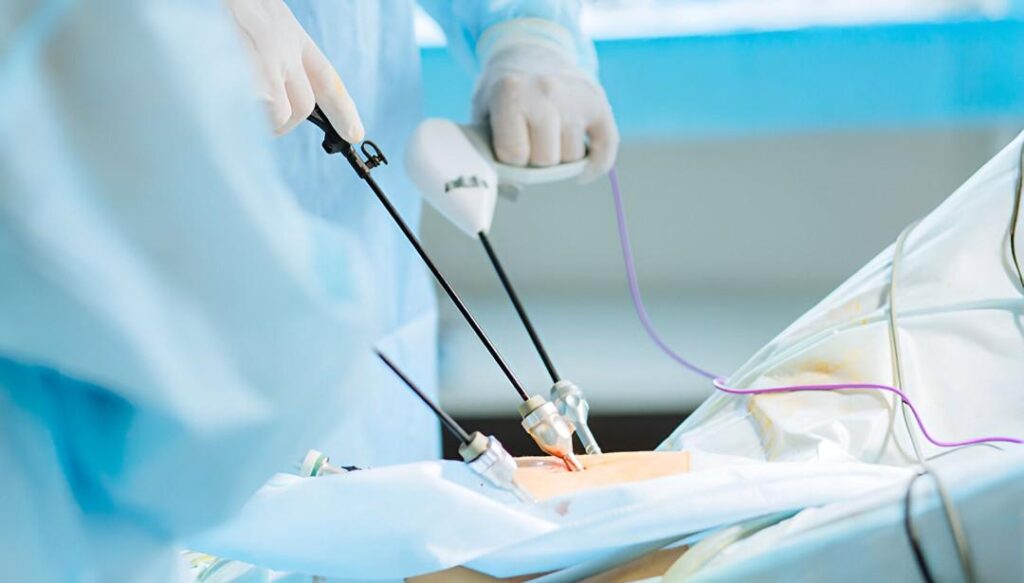

Surgical care has changed dramatically over the past two decades. Instead of large cuts, long hospital stays, and extended downtime, many operations today are performed through tiny incisions using camera-assisted tools. This modern approach helps patients experience less pain, smaller scars, and quicker healing. It is now widely used for abdominal, digestive, gynecological, and weight-related procedures, giving patients safer and more comfortable treatment options. In Islamabad, specialized centers such as Royal Cosmetic Surgery are equipped with advanced technology and trained surgical teams to perform these procedures with high precision and patient-focused care.
What is Laparoscopic Surgery?
Laparoscopic surgery is a minimally invasive surgical method where doctors operate using small entry points instead of a single large incision. A slim instrument called a laparoscope, fitted with a light and high-resolution camera, is inserted through one opening. This camera sends magnified images to a monitor, allowing the surgeon to clearly view internal organs. Additional mini-instruments are inserted through other small openings to complete the operation. Because muscles and tissues are not widely opened, patients usually experience less bleeding, lower infection risk, and faster healing. This technique has become a preferred surgical method across many specialties. In recent years, demand for laparoscopic surgery in Islamabad has increased as more patients choose minimally invasive options over traditional open operations.
Why is Laparoscopic Surgery Done
Doctors recommend laparoscopic surgery when a condition can be treated effectively without large surgical exposure. The goal is to solve the medical problem while reducing physical stress on the body. Smaller incisions lead to reduced post-operative pain, shorter hospital stays, and quicker return to routine life. Another important reason is better cosmetic outcome, since the scars are small and often fade with time. Surgeons also benefit from magnified internal views, which can improve accuracy during delicate procedures. Patients who are medically fit and meet procedure criteria are often guided toward this approach because of its overall safety and comfort advantages.
What is Laparoscopic Surgery Used For?
A very common patient question is: laparoscopic surgery for what conditions is it actually used? The answer covers a wide range of treatments. It is frequently used for gallbladder removal due to stones or inflammation, appendix removal in appendicitis cases, and different types of hernia repair. It is also widely used in women’s health for ovarian cyst removal, endometriosis treatment, and selected hysterectomy procedures. In addition, many bariatric or weight-loss operations are now performed laparoscopically. Surgeons may also use it as a diagnostic tool when scans and tests cannot clearly explain abdominal pain or fertility issues. Because of its flexibility and safety profile, laparoscopic surgery continues to expand into new treatment areas.
What to Eat Before Laparoscopic Surgery
Pre-surgery nutrition planning plays an important role in procedure safety. Patients are usually advised to keep meals light and easy to digest one day before surgery. Suitable foods include boiled vegetables, yogurt, soup, toast, and simple rice dishes. Heavy meals, fried foods, spicy items, and fatty foods should be avoided because they slow digestion. Clear fluids such as water and mild herbal tea are typically allowed up to a certain time window. Most surgeons instruct patients to stop eating 6–8 hours before the operation. Avoiding alcohol and sugary drinks is also recommended. These steps help keep the stomach empty, which lowers anesthesia risks and supports smoother surgical conditions.
What to Eat After Laparoscopic Surgery
After the procedure, digestion may feel temporarily slowed or sensitive, so food should be reintroduced step by step. The first stage usually includes clear liquids such as water, broth, and light tea. Once tolerated, patients can move to soft foods like mashed potatoes, porridge, yogurt, bananas, and soft rice. The next stage includes light solid foods such as steamed vegetables, eggs, grilled chicken, or fish. Doctors often suggest avoiding fizzy drinks, very spicy meals, and gas-producing foods for several days. Smaller portions eaten more frequently are usually better than large meals. Proper hydration and gentle nutrition support tissue repair and improve overall laparoscopic surgery recovery time.
How Many Stitches in Laparoscopic Surgery
One of the biggest benefits of minimally invasive techniques is the limited need for stitches. Most laparoscopic operations require about three to five tiny incisions. Each incision is usually between half a centimeter and one centimeter long. Depending on the case, closure may be done with dissolvable stitches, micro-sutures, surgical glue, or adhesive strips. Because the cuts are small, healing is typically faster and the risk of wound complications is lower. Patients are often surprised at how small the marks look once healing progresses. Proper wound care and hygiene help ensure neat scar formation.
Laparoscopic Surgery Recovery Time
Laparoscopic surgery recovery time is generally shorter than with open surgery, but it still varies by procedure type and patient health. Many patients are able to stand and walk carefully within a day. Mild soreness and fatigue are normal in the first few days. Light daily activities are often manageable within a week. Desk jobs and routine tasks may be resumed in roughly two to three weeks. More demanding physical effort, gym workouts, or heavy lifting usually require four to six weeks and medical clearance. Following medication schedules, wound care instructions, and activity limits plays a major role in smooth recovery.
Laparoscopic Surgery Cost in Islamabad
Patients often compare treatment options based on both quality and price. The cost of laparoscopic surgery in Islamabad starts from PKR 150,000, but the final amount can differ from case to case. Pricing is influenced by the type of operation, complexity level, surgeon experience, operating facility, anesthesia, lab tests, and medicines. Some cases require additional imaging or longer observation, which can affect total cost. Reputable clinics provide detailed cost breakdowns during consultation so patients can plan confidently. Transparency in pricing helps avoid confusion and supports informed decision-making.
Key Advantages of Choosing a Minimally Invasive Approach
There are several practical benefits that make laparoscopic surgery a preferred option for many patients. Smaller incisions usually mean less bleeding and reduced pain after surgery. Hospital stays are often shorter, and in some cases patients go home the same day. The magnified camera view supports surgical precision. Lower infection rates and quicker mobility are additional advantages. From a lifestyle perspective, faster recovery means less disruption to work and family responsibilities. These combined benefits explain why demand for laparoscopic surgery continues to grow across different age groups.
Conclusion
Minimally invasive surgical methods have reshaped how many common operations are performed. From gallbladder and appendix removal to hernia repair and gynecological treatment, laparoscopic techniques provide effective results with less physical stress on the body. Patients benefit from smaller wounds, quicker healing, and shorter downtime. With experienced surgical teams and modern equipment available at centers like Royal Cosmetic Surgery, patients can access reliable and advanced care. Understanding what laparoscopic surgery is used for, how to prepare with the right diet, expected stitches, recovery timeline, and treatment cost helps individuals make informed choices. For many suitable candidates, laparoscopic surgery in Islamabad represents a safe, efficient, and patient-friendly path to treatment and recovery.