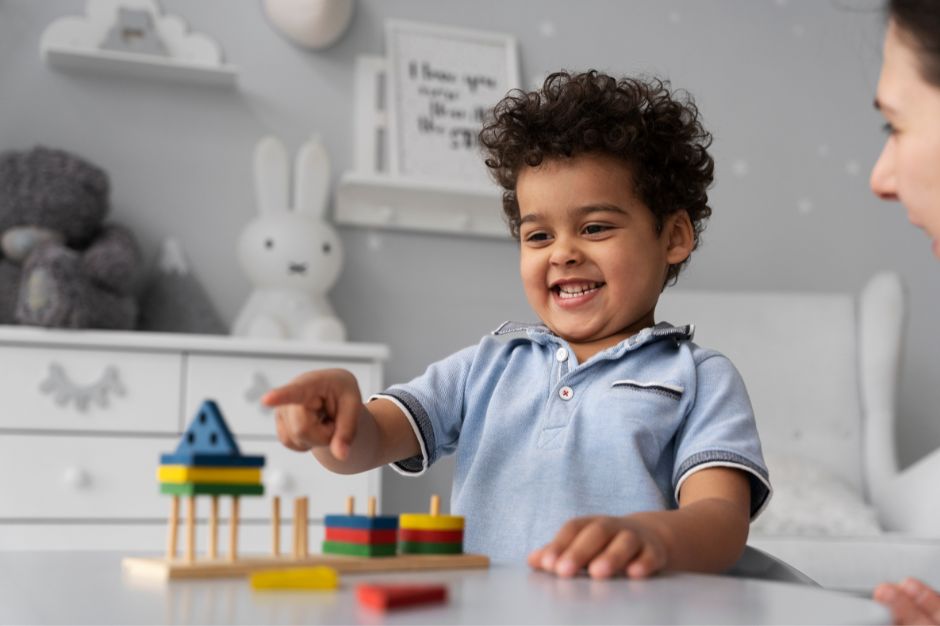

Every child grows at a different pace, yet certain patterns signal when extra support may help. Developmental therapy services assist children who face challenges with communication, movement, behavior, social interaction, or daily skills. Early action often leads to stronger progress, improved confidence, and better participation at home and school.
Parents often notice small differences before anyone else does. These signs may appear gradually or show up after a major change, such as starting school or moving to a new environment. Paying attention to these signals allows families to support their child in practical and meaningful ways.
Below are key signs that may indicate a child could benefit from developmental therapy services.
Key Takeaways
- Developmental therapy supports communication, movement, behavior, and daily skills
- Early signs often appear in speech, motor skills, social interaction, or behavior
- Therapy strengthens independence and confidence
- Parent involvement improves progress
- Early support often leads to better long-term outcomes
Delayed Speech or Limited Communication
Children usually begin using words, gestures, and sounds to express needs early in life. When a child struggles to communicate, frustration often follows.
Signs may include:
- Limited vocabulary compared to peers
- Difficulty forming sentences
- Trouble following simple directions
- Rare use of gestures like pointing or waving
- Lack of response to name
Speech and language therapy helps children build clear communication skills. Therapists use play-based strategies to strengthen language, pronunciation, and comprehension. As communication improves, children often show better behavior and stronger social interaction.
Related Blog:- The Importance of Play in Developmental Therapy Services for Kids
Difficulty With Motor Skills
Motor skills allow children to move, play, and complete daily tasks. Some children struggle with either gross motor skills (large movements) or fine motor skills (small hand movements).
Common signs include:
- Trouble crawling, walking, or running
- Poor balance or frequent falls
- Difficulty holding a pencil, crayon, or spoon
- Avoidance of activities like cutting, drawing, or climbing
Occupational and physical therapy support muscle strength, coordination, and body control. These services help children gain independence and confidence in everyday activities.
Challenges With Social Interaction
Social development plays a major role in emotional health and school success. Some children find it hard to connect with others or respond appropriately in group settings.
Watch for signs such as:
- Limited eye contact
- Preference for playing alone
- Difficulty taking turns
- Trouble reading facial expressions
- Strong reactions to social situations
Therapy sessions often focus on building social skills through guided play, role-playing, and structured interaction. As children practice these skills, they often feel more comfortable around peers.
Behavioral Concerns That Affect Daily Life
Behavior serves as a form of communication. When children cannot express needs clearly, behavior often fills the gap.
Signs that may signal a need for support include:
- Frequent meltdowns
- Aggressive behavior
- Difficulty following rules
- Extreme reactions to routine changes
- Short attention span
Behavioral therapy helps children develop self-regulation, coping strategies, and positive habits. Parents also receive guidance to support consistency at home.
Sensory Sensitivities or Avoidance
Some children react strongly to sensory input. These reactions can interfere with daily routines, learning, and social participation.
Signs may include:
- Covering ears at normal sounds
- Avoiding certain textures or clothing
- Strong reactions to lights or movement
- Refusal to participate in messy play
- Seeking intense movement or pressure
Occupational therapists address sensory processing challenges by helping children respond to input in a calmer and more organized way. Therapy often leads to smoother transitions and improved focus.
Difficulty With Daily Living Skills
Children gradually learn skills that support independence. When progress stalls, therapy may help strengthen these abilities.
Watch for struggles with:
- Dressing or undressing
- Feeding skills
- Toilet training
- Brushing teeth or washing hands
- Following daily routines
Therapists break tasks into manageable steps and practice them in a supportive setting. Children often gain confidence as they master everyday activities.
Learning Delays or Academic Struggles
Some children show difficulty with early learning skills even before formal schooling begins.
Possible signs include:
- Trouble recognizing letters or numbers
- Difficulty with memory tasks
- Challenges following classroom instructions
- Avoidance of learning activities
- Slow progress despite effort
Developmental therapy supports learning through structured activities that match a child’s strengths. Improved focus and skill development often lead to better classroom participation.
Limited Play Skills
Play supports learning, creativity, and social growth. Children who struggle with play may miss important developmental opportunities.
Signs include:
- Repetitive play without variation
- Limited imagination during play
- Difficulty sharing toys
- Trouble joining group play
Therapists at GenCare Kids use play as a teaching tool. Through guided activities, children learn flexibility, cooperation, and problem-solving skills.
Regression in Skills
Loss of previously mastered skills often signals a need for professional support.
Examples include:
- Stopping verbal communication
- Loss of toilet training
- Increased dependence on caregivers
- Withdrawal from social activities
Early intervention addresses regression quickly and helps stabilize progress.
Parental Concerns or Gut Feelings
Parents know their children best. When something feels off, it often deserves attention.
Concerns may arise from:
- Comparing development with siblings
- Feedback from teachers or caregivers
- Persistent stress during daily routines
Seeking therapy does not label a child. Instead, it provides tools that support growth and success.
Frequently Asked Questions
1. At what age can a child start developmental therapy?
Children can start therapy at any age, including infancy. Early support often leads to faster skill growth.
2. Do therapy services replace school support?
No. Therapy works alongside school programs to reinforce skills across environments.
3. How often do children attend therapy sessions?
Frequency depends on individual needs. Some children attend weekly sessions, while others benefit from multiple sessions per week.
4. Will therapy change my child’s personality?
Therapy does not change who a child is. It strengthens skills that help children express themselves and succeed.
5. How long does developmental therapy last?
Duration varies. Some children require short-term support, while others benefit from ongoing services.