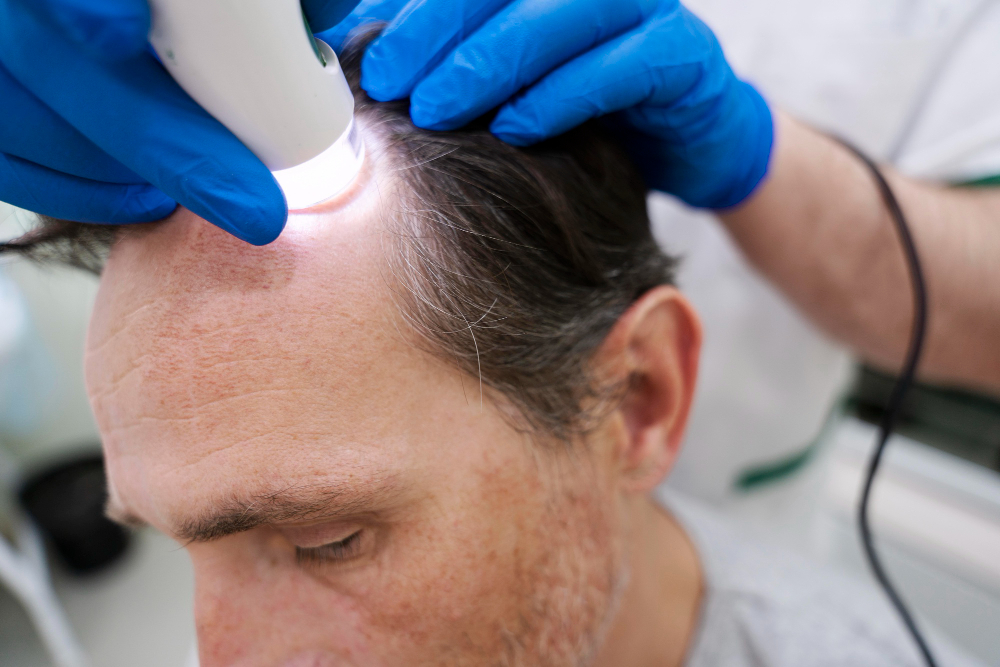

Fungal infections of the scalp (Tinea Capitis) are a very bothersome problem that can severely damage a patient’s self-confidence. These infections don’t just cause dandruff; they also lead to severe itching and inflamed, red scalp (erythema). If you suspect a fungal infection of the scalp is the cause, it often starts with a dermatophyte infection that damages the skin and hair structure, weakening the hair follicles. Leaving a fungal infection untreated for too long can spread, requiring treatment that causes scalp scarring to prevent permanent hair loss or cicatricial alopecia in the future. Therefore, proper care for fungal scalp infections is crucial to restore skin health and reduce the risk of more serious complications.
What is a fungal infection of the scalp?
Scalp fungus, or Tinea Capitis, is a fungal infection of the dermatophytes group on the scalp, hair, and hair follicles. This type of fungal infection can lead to tinea capitis, a severe scalp inflammation with pus-filled nodules under the skin. Scalp fungal infections often cause flaky skin similar to dandruff, or can spread to cause sores, scaling, and itching.
If a patient leaves a fungal infection on their scalp untreated by a doctor, the fungus will damage the hair structure, weakening the hair roots and eventually leading to hair loss.
What causes fungal infections on the scalp?
Most cases of scalp fungal infections are caused by Dermatophytes fungi that feed on keratin protein in the hair and skin. The main causes of scalp fungal infections are as follows:
- Microsporum fungi, a type of scalp fungus, are often transmitted from pets such as cats or dogs. The fungus attacks the hair follicles, causing a fungal infection on the scalp that results in flaking and scaling similar to dandruff. If left untreated, this scalp fungus can lead to severe sores and inflammation.
- Trichophyton fungi: These are anthropophilic fungi that infect the scalp and are easily transmitted from person to person. They often invade the hair shaft, making hair brittle and causing hair loss, resulting in black spots and spreading sores on the scalp.
- Accumulated moisture, sleeping with wet hair, or wearing a damp hat for extended periods can stimulate the rapid growth of fungi on the scalp, leading to itching and scratching that can cause sores.
- Sharing personal items, such as combs or towels, with someone who already has a fungal infection on their head is a major way for the fungal infection on the scalp to spread and cause widespread sores on the scalp.
- Skin abrasions occur when the scalp has a fungal infection and the patient scratches vigorously. This creates small wounds that allow the fungus to penetrate deeper into the skin, making the scalp more susceptible to secondary infections.
Is a fungal infection of the scalp contagious?
Fungal infections of the scalp are a highly contagious skin disease that can spread through both direct and indirect contact. Patients should be aware of the following routes of scalp fungal transmission:
Person-to-person contact
Fungal infections of the scalp can spread through direct skin or hair contact from one person to another, especially in children or those in close contact with someone suffering from ringworm. Anthropophilic fungi in Tinea Capitis can rapidly migrate from an infected person to the scalp of another. Prolonged close contact further facilitates the growth and establishment of the fungus.
Transmission from animals.
Pets, such as dogs and cats, are carriers of zoophilic fungi that frequently cause fungal infections of the scalp. If a patient touches or handles an infected animal without washing their hands, the fungus can enter the skin and cause sores on the scalp. Fungal infections of the scalp from animals often trigger a severe immune response, resulting in inflamed, pus-filled blisters. Therefore, patients should regularly observe the skin of their pets to prevent the spread of fungal infections of the scalp to humans.
Contact through objects.
Fungal infections of the scalp are resilient and can cling to personal items (fomites) for weeks. If a patient shares a comb, hat, or towel with someone who has a fungal infection on their scalp, it can lead to scalp sores and increased susceptibility to infection. A quick search online for images of scalp fungus will reveal that even shed skin flakes can contain the active ingredients ready to spread. Therefore, maintaining cleanliness of personal items is the most effective way to prevent scalp fungal infections.
What are the symptoms of a fungal infection on the scalp?
Patients who suspect they have a fungal infection on their scalp often notice unusual changes in their scalp and hair. Symptoms of a fungal infection on the scalp can manifest in various ways, such as:
- The scalp is dry, flaky, and resembles dandruff but is thicker. It is also severely itchy, causing the patient to scratch until they have sores on their head.
- A circular, red rash (ringworm) appears in the area where the fungal infection spreads on the scalp. This area often expands over time until it becomes clearly visible.
- Symptoms include hair loss or patchy hair loss, especially in areas with a fungal infection on the scalp, where broken hair follicles are visible as black stumps on the skin.
- When the condition worsens, it causes inflamed and pus-filled sores on the scalp (kerion), which, if left untreated, will destroy hair follicles, leading to permanent hair thinning.
- In cases of severe fungal infections of the head, patients may also experience lymphadenopathy (enlarged lymph nodes in the neck or behind the ears) as the body responds to the infection.
- Hair in areas with a fungal infection on the scalp becomes unusually brittle and breaks easily because the fungus on the scalp breaks down the hair structure to use as nutrients for growth.
Risk factors for fungal infections of the scalp.
Factors that increase a patient’s risk of developing scalp fungus are not limited to hygiene alone, but also include physical characteristics and other risky behaviors. Factors contributing to scalp fungus include:
- Moisture accumulates on the skin, and washing your hair at night without completely drying it allows scalp fungi to thrive, leading to inflammation and spreading.
- Having wounds on the head, such as abrasions from scratching or pulling hair, allows fungi to easily enter the hair follicles, leading to scalp inflammation, ulceration, and widespread infection.
- Close contact with infected animals: Pets infected with Microsporum can transmit the fungal infection to patients immediately upon contact, leading to difficult-to-treat scalp conditions.
- Using contaminated equipment, such as sharing combs, hats, or hair scissors, is a significant pathway for fungal infections of the scalp that patients often overlook.
- Patients with compromised immune systems (immunocompromised) or underlying skin conditions that weaken their immune system often experience more severe and rapidly spreading scaly lesions than the general population.
How to prevent fungal infections of the scalp.
Preventing scalp fungal infections is the best way to maintain healthy hair and skin. Patients can easily start by practicing good daily hygiene to reduce the chances of developing scalp fungal infections.
- Always maintain the cleanliness of your hair and scalp, such as washing your hair regularly and always blow-drying it completely to prevent dampness, which is the ideal environment for fungi on the scalp to thrive.
- Avoid sharing personal items such as combs, hats, towels, or hair scissors to reduce the risk of contracting a fungal infection on the head from someone who is unknowingly infected or a carrier.
- Wash your hands thoroughly after touching or playing with your pets, and have your pets’ skin checked regularly to prevent scalp fungal infections from cross-species transmission (Zoonoses).
- Avoid scratching your scalp vigorously or pulling your hair, as this can create small wounds that allow fungi on the scalp to easily penetrate deeper into the skin, leading to severe inflammation.
- Maintaining good physical health and choosing the right hair care products will help preserve the skin barrier, making it better able to resist fungal infections on the scalp.
- If a family member notices that they have a fungal infection on their scalp, they should separate cleaning supplies and wash clothes with hot water to disinfect them and prevent the fungal infection from spreading to other family members.
In addition to protecting against external factors, internal health should not be overlooked. If patients want to know which nutrients are essential for hair health, they can learn more here: What vitamins cause hair loss? This information will help strengthen hair roots and prevent long-term hair problems.
Methods for treating fungal infections of the scalp.
When a fungal infection of the scalp is detected, seeking medical advice is crucial to prevent the disease from spreading. Proper treatment should only be undertaken by a doctor and includes the following methods:
- Oral antifungal medications, such as Griseofulvin or Terbinafine, are the primary method for treating fungal infections of the scalp. These medications enter the bloodstream to eliminate the fungus deep within the hair shaft. Treatment typically involves taking medication continuously for 6-12 weeks to completely eliminate the scalp fungus.
- Using medicated shampoo containing ketoconazole or selenium sulfide is a treatment method for fungal infections of the scalp. It helps reduce the spread of fungal spores and effectively relieves itching and scaling. It should be left on for 5-10 minutes before rinsing.
- Topical antifungal medications for scalp infections: While toner or other topical creams can reduce the fungus on the surface of the skin, for infections deeper into the hair follicles, topical medications alone may not completely eliminate the scalp fungus. Therefore, patients need to be monitored by a doctor to assess the need for topical medications in conjunction with oral medications.
- Hair follicle restoration after fungal infection: Once the fungal infection on the scalp is controlled, the next step in treating the scalp fungus is to restore hair health. Patients can choose between LLLT (Low-Level Laser Therapy) technology, which uses low-intensity laser light to stimulate hair follicle cells, or PRP hair treatment , which involves injecting concentrated platelets into the infected area of the scalp to repair and stimulate hair regrowth, safely and under the supervision of a doctor.
How do I treat an inflamed fungal infection on my scalp?
In cases of severe scalp fungal infection, also known as kerion, patients will experience painful, pus-filled abscesses with redness and swelling. Treatment for this type of scalp fungal infection requires antifungal medication combined with corticosteroids or anti-inflammatory drugs to reduce the overactive immune response. If left untreated, the fungal infection can lead to scarring and the complete destruction of hair follicles. Treatment at this stage must be performed by a Hair doctor to prevent hair loss, which means hair will never regrow.
Fungal infections of the scalp can be treated and cured at Satyam Hair Clinic.
Scalp fungal infections are a skin disease that can severely affect the hair structure, causing significant damage. If the fungal infection is allowed to spread and become inflamed and pus-filled, treatment becomes more complex and time-consuming. Strict hygiene combined with proper treatment can help restore the scalp and hair to their healthy state.If you are experiencing scalp fungal infections or severe hair loss that is causing you to lose confidence, Satyam Clinic is ready to provide treatment by attentive doctors who care for you at every step, from diagnosis to hair follicle restoration using cutting-edge technology. Or, if you require a permanent, long-term solution to hair loss, you can consult with Satyam Hair Transplant Ludhiana for hair transplantation immediately.
