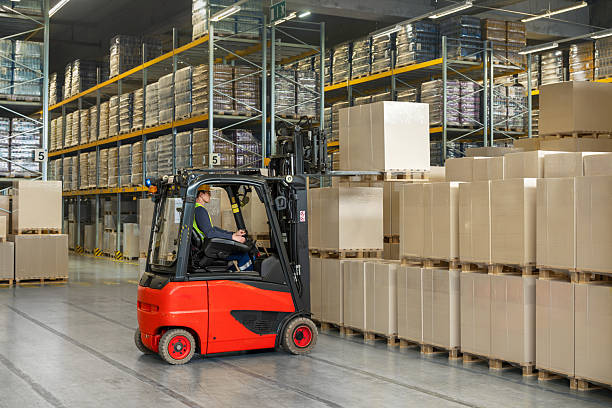

A new forklift brings strength and speed to your work site. It helps move loads with ease and keeps tasks on track. Yet, safety must stay first from the very start. After a forklift sale, careful checks shape how well your machine will perform each day. These checks guard both the driver and the load. They also cut the risk of faults. So, take time to inspect every part with care. A strong start builds safe habits and keeps work running smoothly in the long run.
Why Safety Checks Matter
A forklift can lift heavy loads with ease. But it can also cause harm if it fails. So, you must inspect each part before work begins. This step builds trust in the machine and keeps workers safe. Also, good checks reduce repair needs. As a result, you save time and avoid trouble later.
Basic Visual Inspection
Start with a close look at the forklift. Walk around it and spot any clear issues.
Key areas to inspect:
- Tyres: Check for cuts, cracks, or low air.
- Forks: Look for bends or damage.
- Chains: Ensure they sit tight and show no rust.
- Body: Check for dents or loose parts
Next, confirm that all warning labels remain clear and easy to read.
Check the Fork Alignment
Forks must sit level and straight. If they tilt or shift, loads can fall. So, place both forks side by side and compare their height.
What to look for:
- Even fork height.
- No visible twist.
- Secure locking pins
If the forks show wear, replace them soon. This step prevents load slips.
Fluid and Engine Checks
Now move to the engine area. Fluids keep the forklift in good shape, so you must check them well.
Focus on these:
- Engine oil level.
- Hydraulic fluid.
- Coolant level.
- Fuel system
If you spot leaks, fix them at once. Also, keep the engine clean to avoid heat build-up.
Inspect the Hydraulic System
Hydraulics power the lift. So, you must check them with care.
Key checks include:
- Hoses for cracks or leaks.
- Cylinders for smooth motion.
- Fluid colour and level
If the lift jerks or slows, the system may need repair. Fix it before use.
Controls and Safety Features
After that, test all controls. Each button and lever must respond with ease.
Check the following:
- Steering wheel movement.
- Brake function.
- Horn and lights.
- Seat belt condition
Then, test the lift and tilt controls. They must move in a smooth way without delay.
Test the Parking Brake
The parking brake keeps the forklift still when idle. So, test it on a slight slope.
Ensure that:
- The brake holds firm.
- No rolling occurs.
- The lever locks in place
A weak brake can lead to sudden movement. Fix it at once.
Battery and Electrical System Check
If your forklift runs on a battery, inspect it well. A weak battery can stop work.
Look for:
- Clean terminals.
- Strong charge level.
- No loose wires
Also, test all lights and signals. They help others spot the forklift.
Operator Seat and Cabin Safety
The operator must feel safe and stable. So, check the seat and cabin area.
Key points:
- Seat cushion support.
- Seat belt lock.
- Clear mirrors.
- Easy control reach
A good cabin setup helps the driver stay alert and in control.
Check Safety Guards and Overhead Protection
Safety guards shield the driver from falling loads. So, inspect them with care.
Ensure:
- Overhead guard stays firm.
- No cracks or bends.
- Proper fit with the frame.
These guards act as a barrier. Keep them strong at all times.
Review Documentation and Manuals
Every forklift comes with a manual. This guide shows how to choose the right forklift rental price in Singapore, or use the machine with care.
Check for:
- Service records.
- Maintenance guide.
- Safety rules.
Read the manual before use. It helps you avoid errors and keeps your team safe.
Create a Routine Checklist
A clear plan helps you stay on track. So, build a forklift safety checklist after purchase and follow it each day.
Your checklist can include:
- Daily visual check.
- Fluid level check.
- Control test.
This routine builds safe habits and keeps your team alert.
Set a Maintenance Schedule
A forklift needs care over time. So, set a clear service plan.
Include:
- Weekly checks.
- Monthly service.
- Part replacement plan.
Regular forklift safety checklist after purchase care to keep the forklift in top shape and prevent sudden faults.
Monitor Performance in Daily Use
After checks, watch how the forklift performs each day. Small signs can point to issues.
Watch for:
- Strange sounds.
- Slow lift speed.
- Hard steering
If you spot any change, act fast. Early action prevents bigger problems.
Compare with Rental Units
Many buyers like to compare their forklift with rental machines. This forklift rental price in Singapore step helps them understand features, handling, and care needs. It also gives a clear view of performance standards.
Check Build and Features
- Compare design and overall build quality.
- Study control layout and ease of use.
- Check safety features and guards.
- Review lifting capacity and reach
Final Thoughts
A forklift works best when you give it care and attention each day. Small checks can stop big problems before they grow. After a forklift sale, a clear routine helps you spot issues early. This habit keeps your team safe and your work steady. It also extends the life of your machine. So, stay alert and follow your checklist with care. In the end, a well-kept forklift supports your work with ease and keeps your site safe.
FAQs
1. How often should I inspect a forklift after purchase?
You should check your forklift each day before use. Daily checks help you catch small faults early. This habit keeps the machine safe and keeps work smooth without sudden stops.
2. What is the most important part to check first?
Start with a full visual check. Scan tyres, forks, and chains first. These parts carry heavy loads, so any damage here can cause serious safety risks during work.
3. Why is a load test needed after buying a forklift?
A load test shows how the forklift handles weight. It helps you check balance, lift motion, and stability. This step ensures the machine works well before you use it for daily tasks.
4. Do operators need training before using a new forklift?
Yes, proper training is vital. It helps operators handle loads with care and use controls with ease. Good training lowers risk, improves control, and supports safe work on site.
Read More Blogs on: Bloggingarena