
Townsville sits in one of the most climatically aggressive regions in Australia. With average annual humidity hovering above 70 percent and a wet season that dumps well over a thousand millimetres of rain between November and April, the conditions here are not merely uncomfortable for humans. They are genuinely brutal for metal, rubber, and the complex mechanical systems that make up a modern vehicle.
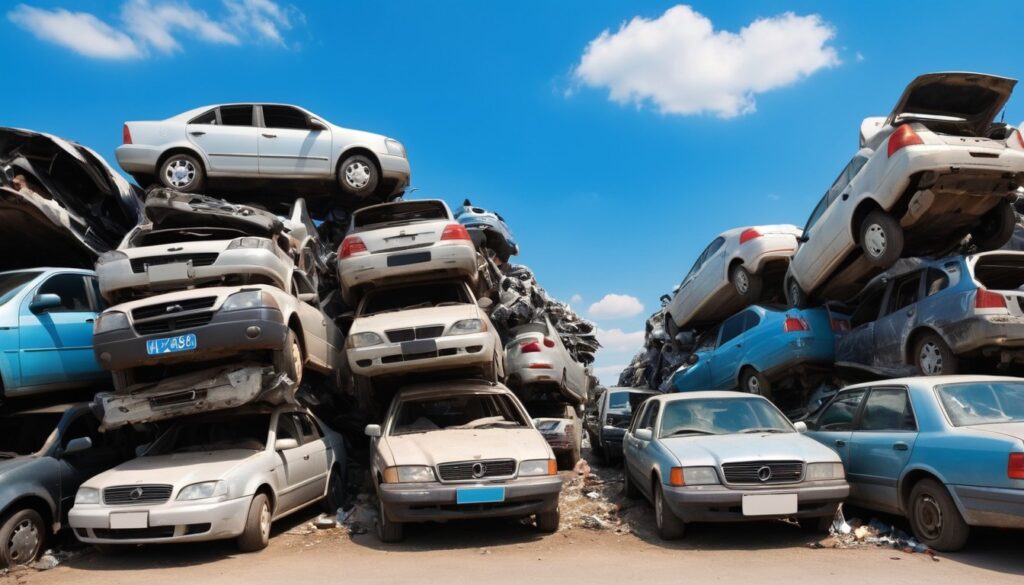
Most car owners across North Queensland understand, at some level, that the heat and moisture take a toll on their vehicles. What many do not fully appreciate is just how fast that toll accumulates, and what it means financially and environmentally when a vehicle is left sitting rather than being properly disposed of. For residents holding onto an old, unused, or damaged car, accessing the best cash for old cars in Townsville service is not just a financial opportunity. It is an environmentally responsible decision with measurable consequences if delayed.
This article is written for Townsville residents, mechanics, environmental advocates, and anyone who owns a vehicle that has passed its useful life. Understanding the science behind tropical corrosion, the economic mathematics of delay, and the recycling pipeline that responsibly handles end-of-life vehicles will change how you think about that rusting hulk sitting in the driveway.
How Townsville’s Climate Accelerates Corrosion
The Chemistry of Rust in High Humidity
Rust is not simply a cosmetic problem. It is an electrochemical process, and humidity is its primary catalyst. When iron-based metals are exposed to both oxygen and moisture, ferrous oxide forms at an accelerating rate. In a city like Townsville, where the relative humidity rarely drops below 60 percent even in the dry season, this process never really pauses.
Research published by the Australasian Corrosion Association confirms that tropical coastal environments can accelerate metal degradation by a factor of four to six compared with dry inland conditions. Townsville’s proximity to the Coral Sea compounds this further, as salt-laden air increases the electrical conductivity of surface moisture, dramatically speeding up the oxidation process.
For a vehicle that is no longer in regular use, the situation worsens quickly. Moving vehicles generate heat that helps dry out internal cavities. A stationary car allows moisture to pool in door sills, floor pans, chassis rails, and boot floors, creating persistent wet zones where rust penetrates structurally significant steel within months rather than years.
What the Wet Season Does to a Parked Car
Between January and March, Townsville regularly experiences flooding rains. Even vehicles not directly flood-affected absorb extraordinary amounts of atmospheric moisture during these months. Rubber seals around doors and windows, already degraded by UV exposure in the harsh Queensland sun, begin to fail. Water ingress into the cabin leads to mould growth within 48 to 72 hours under tropical conditions, according to automotive restoration specialists in the region.
Beyond the visible damage, electrical systems suffer. Modern vehicles contain hundreds of metres of wiring and dozens of electronic control units. Moisture penetration causes oxidation at connector terminals, shorts in wiring harnesses, and corrosion of circuit boards that governs everything from fuel injection to anti-lock braking. A car that sat through two wet seasons without attention in Townsville can develop electrical faults that cost more to diagnose and repair than the vehicle is worth.
The Financial Case for Acting Quickly
How Depreciation and Deterioration Compound
There is a common misconception that an old car retains its scrap value indefinitely. In theory, the steel, aluminium, copper, and other recoverable materials in a vehicle have a baseline commodity value. In practice, the condition of those materials matters significantly to recyclers and wreckers.
A vehicle that has been sitting in Townsville’s climate for twelve months loses recoverable value for several reasons. Rubber components, including tyres, hoses, belts, and seals, degrade rapidly in UV-intense, high-humidity environments and lose resale value as parts. Electrical components corrode and become unsalvageable. Catalytic converters, which contain platinum, palladium, and rhodium, can be damaged by moisture and heat cycling. Fluids, including engine oil, transmission fluid, and coolant, absorb moisture and become contaminated, reducing the value of the vehicle as a parts donor.
A study by the Australian Automotive Aftermarket Association found that the recoverable parts value of a vehicle depreciates by approximately 15 to 25 percent for every year it sits unused in a tropical environment, compared to 8 to 12 percent in temperate climates. In practical terms, the car you could have sold for $800 in late 2024 may only command $500 by mid-2026.
The Hidden Costs of Keeping It
Beyond lost sale value, there are active costs associated with keeping an end-of-life vehicle on a property in Townsville. Local councils, including Townsville City Council, have provisions under Queensland’s Local Law framework that allow for the issuing of notices regarding abandoned or unregistered vehicles on residential properties. Fines for non-compliance can reach several hundred dollars.
Insurance considerations apply too. An unregistered vehicle parked on private property may not be covered under standard home and contents policies if it causes damage, such as a fuel leak that contaminates soil or a fire that spreads to a structure.
The Environmental Argument: Why Recycling Matters Enormously
Vehicles as Environmental Hazards
An end-of-life vehicle is not an inert object. It contains a range of substances that are classified as hazardous under Australian environmental legislation. These include engine oil, transmission and differential fluids, power steering fluid, brake fluid, coolant containing ethylene glycol, refrigerant gases in air conditioning systems, lead-acid battery electrolyte, and in some older vehicles, asbestos-containing gaskets and brake pads.
When these substances leach into soil and groundwater, the consequences are serious. Queensland’s Department of Environment and Science classifies automotive fluid contamination as a Category 1 or Category 2 contaminated land issue depending on volume and location. Remediation of a contaminated residential site can cost tens of thousands of dollars and the liability rests with the landowner.
In Townsville specifically, the risk is heightened. The city draws much of its water supply from Ross River Dam, and the surrounding catchment area is ecologically sensitive. The combination of high rainfall and relatively permeable soils in parts of the region means contaminants can move quickly from a leaking vehicle to waterways and groundwater systems.
The Recycling Pipeline: What Actually Happens to Your Old Car
Professional car recyclers in Townsville follow a structured depollution and materials recovery process that dramatically reduces environmental impact compared with informal disposal or simply abandoning a vehicle.
The process typically unfolds as follows:
- All fluids are drained and separated: oil is sent for re-refining, coolant is processed, and refrigerants are recovered using certified equipment as required under Australian law.
- The battery is removed and recycled through lead-acid battery processors who recover lead, polypropylene, and electrolyte.
- Salvageable parts including engines, gearboxes, alternators, starters, and body panels are catalogued, tested where appropriate, and re-sold into the used parts market, extending their useful life.
- The remaining shell is shredded and the resulting material stream is separated into ferrous metals, non-ferrous metals, and automotive shredder residue.
- Steel and aluminium are sold as commodity scrap to domestic and international foundries and mills.
According to the Australian Bureau of Statistics and industry data from the Motor Vehicle Repair, Services and Retail Association, over 90 percent of the materials in a modern vehicle are technically recyclable. Australia recycles approximately 500,000 end-of-life vehicles annually, recovering an estimated 1.6 million tonnes of steel. That represents a substantial saving in energy and raw material extraction compared to producing virgin steel.
What to Look for in a Car Disposal Service
Not all car removal services operate to the same standard. In Townsville’s growing market for vehicle recycling and disposal, residents should consider several factors before handing over their vehicle.
Licensing and compliance: Legitimate operators hold appropriate licences under Queensland environmental legislation, including an authority to transport and process regulated waste. Ask for evidence of this before proceeding.
Transparent pricing: Reputable services provide clear valuations based on the vehicle’s make, model, age, condition, and current scrap metal prices. Prices fluctuate with commodity markets, but an honest operator explains this rather than simply offering a low-ball figure.
Proper depollution: Ask directly whether fluids are removed and processed in compliance with Queensland regulations. A credible operator will not hesitate to explain their process.
Free pickup: Most established Townsville operators offer free towing as part of the service. If you are being asked to pay for collection of a scrap vehicle, it is worth seeking an alternative quote.
Same-day or next-day service: This is increasingly standard in the Townsville market. Given how quickly a vehicle deteriorates here, prompt collection benefits everyone.
Timing Your Disposal: Why 2026 Is Particularly Relevant
Steel and copper commodity prices have shown considerable strength heading into 2026, driven by global demand for infrastructure, electric vehicle manufacturing, and construction activity. Industry analysts tracking the London Metal Exchange note that scrap steel prices have remained elevated by historical standards, which translates directly to better returns for vehicle owners disposing of end-of-life cars.
At the same time, Queensland’s state government has been progressively tightening regulations around abandoned vehicles and hazardous waste, meaning the cost of non-compliance is rising. The practical implication is that the window for maximising return while minimising regulatory risk is open right now.
The Broader Picture: Community and Economic Benefits
Beyond the individual transaction, prompt vehicle recycling generates meaningful economic activity within Townsville itself. Local wreckers employ mechanics, drivers, yard staff, and sales personnel. The used parts ecosystem they feed supports thousands of vehicle owners across North Queensland who rely on affordable second-hand components to keep functional vehicles on the road.
There is also a community dimension. Abandoned and deteriorating vehicles contribute to neighbourhood blight, can attract illegal dumping of other waste, and create safety hazards particularly for children. Prompt disposal is both a private financial decision and a contribution to the neighbourhood environment.
Final Thoughts
Townsville’s climate is not forgiving to metal. The combination of intense UV radiation, persistent humidity, salt-laden air, and a wet season of extraordinary intensity means that vehicles deteriorate here faster than almost anywhere else in Australia. The financial case for prompt disposal is clear: recoverable value falls sharply with time. The environmental case is equally compelling: an ageing vehicle on a tropical property is a slow-motion contamination event waiting to happen.
Understanding these dynamics transforms the decision from a chore into a genuinely sensible priority. The infrastructure for responsible recycling exists in Townsville, the market conditions in 2026 are favourable, and the regulatory environment rewards proactive action. The only variable left is timing. And in this climate, sooner is always better.