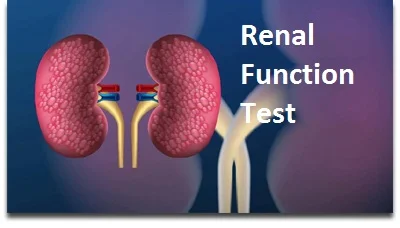

The kidneys are among the most vital organs in the human body, yet they are often overlooked until problems arise. These bean-shaped organs work continuously to filter waste products from the blood, regulate fluid and electrolyte balance, control blood pressure, and support red blood cell production. Because kidney issues can develop silently, renal function tests play a critical role in early detection and long-term health monitoring. Unfortunately, misinformation surrounding these tests often leads to confusion and delayed medical attention. This article separates common myths from verified medical facts to provide a clearer understanding of renal function tests and their importance.
What Are Renal Function Tests?
Renal function tests (RFTs) are a group of diagnostic tests that evaluate how effectively the kidneys are performing their essential functions. These tests usually involve blood and urine samples and are frequently ordered during routine health checkups or when kidney-related conditions are suspected.
Common components of renal function tests include serum creatinine, blood urea nitrogen (BUN), estimated glomerular filtration rate (eGFR), electrolyte levels, and urine analysis. Each parameter provides specific insights, but doctors rely on the combined results rather than a single value to assess kidney health accurately.
Myth 1: Renal Function Tests Are Only Needed When Symptoms Appear
A widespread myth is that kidney testing is only necessary if symptoms such as swelling, pain, or changes in urination occur. This belief can be dangerous.
Medical fact: Early-stage kidney disease often causes no noticeable symptoms. Many people discover kidney problems only after significant damage has already occurred. Regular renal function testing is particularly important for individuals with diabetes, high blood pressure, heart disease, obesity, or a family history of kidney disorders. Preventive testing allows early intervention and reduces the risk of complications.
Myth 2: High Creatinine Levels Always Mean Kidney Failure
Creatinine is one of the most commonly discussed markers in renal function tests, and elevated levels often cause unnecessary panic.
Medical fact: While high creatinine levels can indicate reduced kidney function, they do not automatically mean kidney failure. Creatinine levels can temporarily rise due to dehydration, intense physical activity, muscle mass, high-protein diets, or certain medications. Doctors interpret creatinine values alongside eGFR, symptoms, and medical history to determine their true significance.
Understanding eGFR: More Than Just a Number
The estimated glomerular filtration rate (eGFR) measures how efficiently the kidneys filter waste from the blood. It is considered one of the most reliable indicators of kidney function.
Myth: A single eGFR result defines kidney health.
Medical fact: eGFR is an estimate and can fluctuate due to hydration levels, infections, or medication use. A trend of declining eGFR over time is more clinically meaningful than one isolated reading. Consistent monitoring provides a clearer picture of kidney health progression.
Myth 3: Normal Results Mean You Never Have to Worry About Your Kidneys
Receiving normal renal function test results often creates a false sense of security.
Medical fact: Normal results reflect kidney function at the time of testing but do not guarantee lifelong kidney health. Aging, lifestyle changes, chronic illnesses, and long-term medication use can gradually affect kidney performance. Periodic testing helps detect subtle changes early and supports preventive care.
Myth 4: Renal Function Tests Are Painful or Dangerous
Fear of discomfort or complications prevents some individuals from undergoing necessary testing.
Medical fact: Renal function tests are safe, simple, and minimally invasive. Blood samples are taken using standard laboratory procedures, and urine tests are completely non-invasive. Complications are rare, and the process is generally quick, making these tests suitable for routine health assessments.
The Importance of Urine Tests in Kidney Evaluation
Many people believe blood tests alone are enough to assess kidney health, underestimating the value of urine analysis.
Medical fact: Urine tests provide essential information about kidney damage that may not yet appear in blood results. The presence of protein, blood cells, glucose, or abnormal sediments in urine can signal early kidney issues. In many cases, urine abnormalities are the first indicators of kidney disease.
Myth 5: Only Older Adults Need Renal Function Testing
Kidney problems are often associated with aging, leading younger individuals to assume testing is unnecessary.
Medical fact: Kidney disease can affect people of all age groups. In younger individuals, causes may include genetic disorders, autoimmune diseases, infections, dehydration, or uncontrolled lifestyle-related conditions. Renal function testing is recommended whenever risk factors or persistent symptoms are present, regardless of age.
Lifestyle Factors That Influence Kidney Health
Renal function test results are closely linked to everyday habits. Poor hydration, excessive salt intake, smoking, uncontrolled blood sugar, and frequent use of painkillers can strain the kidneys over time.
Medical fact: Healthy lifestyle choices significantly support kidney function. Drinking adequate water, maintaining a balanced diet, controlling blood pressure and blood sugar, avoiding unnecessary medications, and engaging in regular physical activity can help preserve kidney health and stabilize test results.
When Should You Get Renal Function Tests?
Doctors may recommend renal function tests during routine checkups, before certain medical procedures, or when monitoring chronic conditions. Testing is also advised if symptoms such as persistent fatigue, swelling, foamy urine, or changes in urination occur. Timely testing helps guide treatment decisions and prevents long-term complications.
Conclusion:
Renal function tests are essential tools for understanding kidney health, detecting early damage, and preventing serious complications. By separating myths from medical facts, individuals can approach these tests with clarity rather than fear or misunderstanding. Regular monitoring, professional interpretation, and healthy lifestyle habits form the foundation of long-term kidney care. For those seeking convenient access to diagnostic services and reliable health information, Instacare.pk makes it easier to book a Renal Function Test in Lahore, supporting informed decision-making and proactive management of renal health.