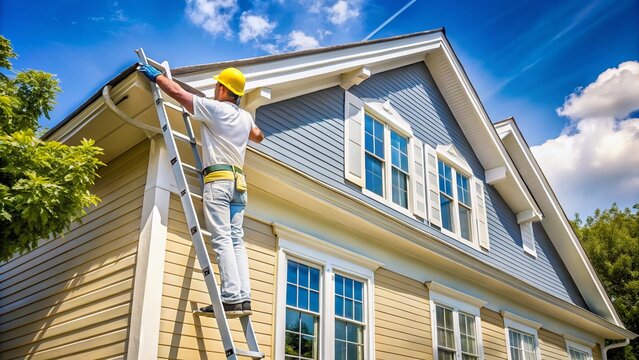

Summer brings long sunny days, soaring temperatures, and sometimes harsh weather conditions. Protecting your home’s exterior before the heat arrives is essential to maintain its beauty, durability, and energy efficiency. From intense UV rays to sudden storms, your walls, roof, and outdoor fixtures can suffer damage if not properly prepared. Taking preventative measures now can save you significant repair costs later. Homeowners often overlook simple maintenance steps that can dramatically extend the lifespan of exterior surfaces. Ensuring your paint, siding, and roofing materials are in good condition helps prevent cracking, fading, and water damage. Additionally, proper maintenance can reduce energy costs by keeping your home cooler naturally. Incorporating seasonal inspections into your home care routine is a smart long-term strategy. By investing a little time and effort today, you can avoid costly problems tomorrow and enjoy a more comfortable summer.
1. Inspect and Maintain Your Roof
Your roof is the first line of defense against summer heat and storms. Begin by checking for missing or damaged shingles, as they can lead to leaks during heavy summer rains. Clean out gutters and downspouts to ensure proper water drainage. Accumulated debris can trap moisture, causing rot or mold growth. Consider applying a reflective roof coating to reduce heat absorption, which helps lower indoor temperatures. Pay attention to flashing around chimneys and vents, sealing any gaps to prevent water infiltration. Trim overhanging branches that could damage the roof in high winds. If you notice sagging or signs of wear, contact a professional roofing contractor immediately. Early detection and maintenance can extend the life of your roof by years and protect your home’s interior from costly water damage. Regular roof care also enhances curb appeal and increases property value.
2. Clean and Seal Exterior Walls
Exterior walls face constant exposure to sun, wind, and rain. Start by washing surfaces to remove dirt, mildew, and grime that accumulate over time. Use a gentle pressure wash for siding, brick, or stucco to avoid damage. Once cleaned, inspect for cracks, chips, or peeling paint and repair them promptly. Applying a high-quality exterior sealant or paint can create a protective barrier against UV rays and moisture. Consider using heat-resistant or reflective paint to reduce surface temperatures. Sealant not only prevents fading but also protects against mold, mildew, and water penetration. Pay special attention to areas around windows, doors, and vents where moisture may seep in. Proper wall maintenance improves energy efficiency by maintaining insulation integrity. Well-maintained exterior walls also enhance your home’s aesthetic appeal for the summer months.
3. Protect Windows and Doors
Windows and doors are vulnerable points for heat gain and air leaks. Inspect weather stripping and caulking around frames, replacing any worn materials. Clean windows thoroughly to improve natural light and prevent heat buildup inside your home. Consider installing UV-blocking films or shades to reduce sun damage to interiors. Regularly lubricate hinges, locks, and tracks to ensure smooth operation during hot weather. Sliding glass doors may need extra attention to prevent warping or sticking. For storm-prone areas, install protective shutters or impact-resistant glass. Proper sealing helps maintain indoor temperatures and lowers cooling costs. Checking for condensation or drafts ensures your home remains energy-efficient and comfortable. Window and door maintenance also prevents costly repairs and prolongs the lifespan of these critical exterior components.
4. Maintain Outdoor Spaces
Summer is the season for outdoor living, but your decks, patios, and walkways need attention to withstand heat and foot traffic. Clean and inspect wooden decks for splinters, cracks, or rotting boards. Apply a water-resistant sealant or stain to protect against UV damage. Concrete patios may develop cracks that require filling and sealing to prevent expansion during extreme heat. Inspect fences and gates for loose boards or rusted hinges. Trim surrounding trees and shrubs to prevent overgrowth from damaging structures. Ensure irrigation systems are functioning properly to maintain healthy landscaping. Clean outdoor furniture and apply protective coatings if necessary. Well-maintained outdoor spaces not only enhance curb appeal but also extend the life of your backyard investments. Safe, durable, and attractive outdoor areas encourage more summer enjoyment.
5. Inspect and Maintain Gutters
Gutters play a crucial role in preventing water damage to your home’s exterior. Remove leaves, sticks, and other debris that can block water flow. Inspect for cracks, rust, or sagging sections that may compromise their function. Ensure downspouts direct water at least 5 feet away from the foundation. Consider installing gutter guards to reduce future buildup and maintenance. Check for signs of pooling water or erosion near the home’s perimeter. Proper gutter maintenance prevents basement leaks, siding damage, and foundation issues. During summer storms, a well-maintained gutter system protects landscaping and reduces soil erosion. Clean and repair gutters before the heat and heavy rains arrive for optimal performance. Regular gutter inspections are a small investment for major long-term protection.
6. Protect Exterior Paint and Finish
Paint and finishes shield your home from UV rays, moisture, and temperature fluctuations. Inspect for peeling, blistering, or fading and address problem areas promptly. Wash surfaces with mild soap and water to remove dirt and grime. Repainting with weather-resistant paint can prevent wood rot, rust, and mold growth. Consider using reflective paints to reduce heat absorption on dark-colored surfaces. Trim trees and bushes to avoid branches rubbing against siding, which can damage paint. Properly maintaining paint improves energy efficiency by reflecting sunlight and reducing heat buildup. Regular touch-ups extend the life of your home’s exterior and maintain a fresh, vibrant appearance. Protective finishes also enhance curb appeal and overall property value.
7. Check and Maintain HVAC Exterior Units
Outdoor air conditioning units face the harshest elements during summer. Remove debris, leaves, and grass clippings around the condenser to ensure proper airflow. Inspect the unit for rust, leaks, or damaged components. Clean or replace filters as recommended by the manufacturer to improve efficiency. Ensure refrigerant lines are insulated and in good condition. Trim back plants to maintain at least two feet of clearance around the unit. A professional tune-up before peak summer usage can prevent breakdowns and improve cooling efficiency. Well-maintained units reduce energy consumption and lower utility bills. Taking care of HVAC exteriors prolongs system lifespan and ensures consistent indoor comfort. Avoid placing heavy objects on or near the unit to prevent accidental damage.
8. Inspect Driveways and Walkways
Summer heat can exacerbate cracks and uneven surfaces on driveways and walkways. Inspect concrete, asphalt, or paver surfaces for damage and repair promptly. Seal cracks to prevent water infiltration, which can lead to further deterioration. Clean surfaces to remove moss, algae, or debris that can become slippery during rain. Check for proper drainage to prevent pooling water that may damage the foundation. Consider resurfacing worn areas to maintain safety and curb appeal. Regular maintenance prevents accidents, especially in areas exposed to high foot traffic. Use heat-resistant sealants for asphalt to avoid softening under high temperatures. Well-maintained pathways improve home aesthetics and functionality. Prioritizing safety now avoids costly repairs later in the season.
9. Plan Seasonal Landscaping Maintenance
Landscaping plays a significant role in protecting your home from summer heat. Plant trees strategically to provide shade for walls and windows. Mulch garden beds to retain moisture and reduce soil erosion. Trim bushes and shrubs to prevent overgrowth from damaging siding or fences. Check irrigation systems for leaks or blockages to maintain healthy plants. Remove dead vegetation that may attract pests or contribute to fire hazards. Use drought-resistant plants in areas exposed to direct sunlight. Seasonal maintenance improves curb appeal while reducing heat absorption around the home. Well-maintained landscapes help regulate outdoor temperatures naturally. Incorporating these steps ensures your home stays cool, protected, and visually appealing throughout the summer.
Conclusion
Preparing your home’s exterior for summer is more than just aesthetic upkeep—it’s essential for protection, energy efficiency, and long-term savings. By inspecting your roof, cleaning gutters, maintaining paint, trimming vegetation, and caring for outdoor spaces, you prevent heat damage, water intrusion, and pest infestations. Summer maintenance also enhances your home’s curb appeal and ensures a safer environment for your family. Small preventative steps today can save significant repair costs tomorrow. Whether it’s sealing cracks, applying UV-resistant coatings, or checking insulation, proactive care strengthens your property’s resilience against extreme temperatures and storms. Prioritizing these tasks creates a cool, comfortable, and durable home environment. By implementing these strategies consistently, your home will remain protected, functional, and visually appealing throughout the season. Summer readiness is not just about comfort—it’s about safeguarding your investment.
FAQs
1. How often should I inspect my roof before summer?
It’s best to inspect your roof at least once before summer, ideally in late spring. Check for damaged shingles, cracks, or leaks. Regular inspections help prevent costly water damage and improve energy efficiency during peak heat.
2. Can power washing damage my home’s exterior?
Power washing is safe when done correctly. Use low pressure on delicate surfaces like wood or vinyl siding. Avoid high pressure directly on windows or paint to prevent damage while effectively removing mold, dirt, and debris.
3. What’s the best way to maintain gutters in summer?
Clean gutters at least twice a year, removing leaves and debris. Check for leaks, rust, and sagging sections. Installing gutter guards can reduce maintenance and protect your foundation from water damage.
4. How can I keep my outdoor deck safe from summer heat?
Inspect wooden decks for cracks and splinters, then apply a protective sealant. Trim nearby vegetation to allow airflow and prevent moisture buildup. Cleaning and sealing decks extends their lifespan and keeps them safe to use.
5. Should I repaint my home before summer?
Repainting is recommended if your paint is peeling, fading, or cracked. Use UV-resistant exterior paint to protect siding from sun damage. Clean surfaces thoroughly before painting for better adhesion and durability.
6. How can I improve my home’s energy efficiency for summer?
Seal gaps around doors and windows, inspect insulation, and clean air vents. Use reflective roofing or install shading solutions like pergolas or awnings. These steps reduce cooling costs and keep indoor temperatures comfortable.