
Many pool owners use the terms pool water purification and pool cleaning interchangeably, but in reality, they are two very different processes. Both are essential for maintaining a healthy, safe, and visually appealing swimming pool, yet each serves a unique purpose. Understanding the difference between pool water purification and pool cleaning helps pool owners make better maintenance decisions, prevent water quality issues, and extend the life of their pool systems.
This article explains how these two processes differ, how they work together, and why both are necessary for proper pool care.
Understanding Pool Water Purification
Pool water purification focuses on water quality and sanitation. Its main goal is to eliminate harmful contaminants such as bacteria, viruses, algae, and organic waste that are not always visible to the naked eye.
Purification works at a chemical and microscopic level, ensuring the water is safe for swimmers. It does not primarily deal with physical debris like leaves or dirt; instead, it targets invisible threats that can cause health problems or water imbalance.
Common pool water purification methods include:
- Chlorine treatment
- Saltwater chlorination
- UV purification systems
- Ozone purification systems
- Mineral-based purification
These systems continuously disinfect pool water, keeping it hygienic and safe.
What Is Pool Cleaning?
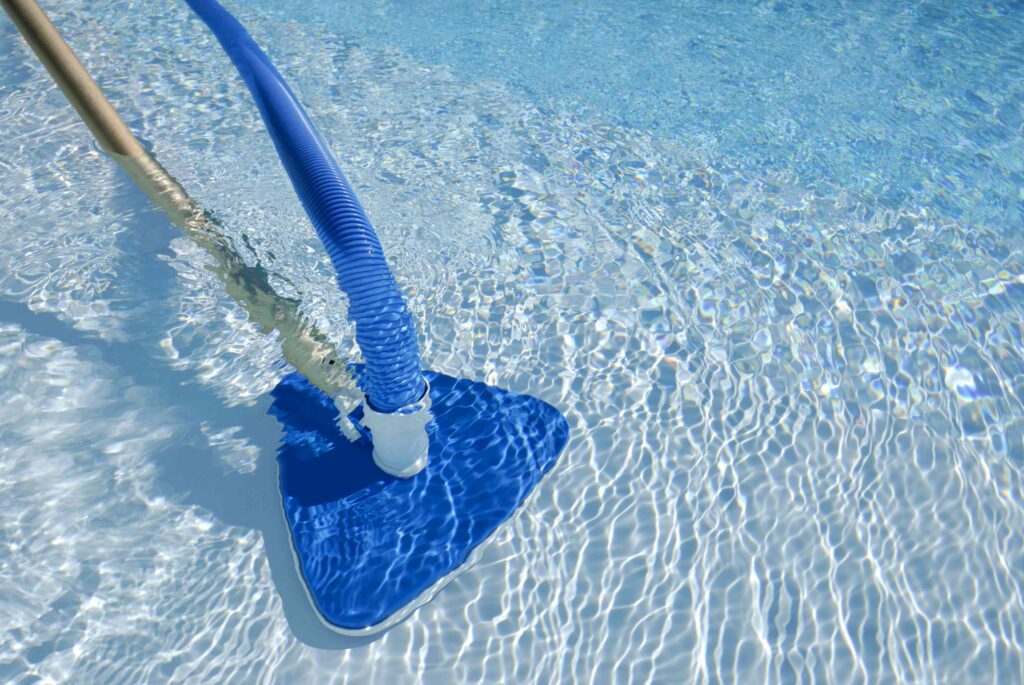
Pool cleaning is focused on physical cleanliness. It involves removing visible debris and maintaining the pool’s surfaces and equipment. Cleaning improves the pool’s appearance and prevents dirt and debris from interfering with filtration and circulation systems.
Pool cleaning typically includes:
- Skimming leaves and debris from the surface
- Vacuuming the pool floor
- Brushing pool walls and tiles
- Cleaning skimmer baskets and pump baskets
- Backwashing or cleaning filters
While pool cleaning makes the pool look clean, it does not necessarily make the water safe from bacteria or chemical imbalances.
Key Differences Between Pool Water Purification and Pool Cleaning
The main difference lies in what each process targets.
- Pool Water Purification focuses on sanitizing water and controlling microorganisms.
- Pool Cleaning focuses on removing visible dirt and maintaining pool surfaces.
Purification ensures water safety, while cleaning ensures cleanliness and functionality. One without the other can lead to problems. For example, a pool can look clean but still contain harmful bacteria if purification is inadequate.
Why Pool Water Purification Is Essential
Without proper purification, pools can become breeding grounds for bacteria, algae, and pathogens. This can lead to:
- Skin and eye irritation
- Unpleasant odors
- Cloudy or green water
- Increased chlorine demand
In areas where pools are heavily used or exposed to intense heat, purification becomes even more critical. Pool owners dealing with High Chlorine Demand In Pools Glendale AZ often discover that purification issues—such as organic contamination or poor circulation—are the root cause.
Why Pool Cleaning Still Matters
Even the best purification system cannot work efficiently if the pool is dirty. Debris and dirt can:
- Consume chlorine and sanitizers
- Block filters
- Reduce water circulation
- Create hiding places for algae and bacteria
Regular cleaning reduces the workload on purification systems and helps maintain stable water chemistry.
How Pool Water Purification and Cleaning Work Together
For optimal pool health, purification and cleaning must work together. Cleaning removes physical contaminants that can interfere with water chemistry, while purification neutralizes invisible contaminants that cleaning cannot remove.
For example:
- Cleaning removes leaves before they decompose
- Purification eliminates bacteria released by swimmers
- Together, they reduce chemical imbalance and sanitizer loss
When both processes are performed correctly, pool water remains clear, safe, and balanced. When both processes are performed correctly, pool water remains clear, safe, and balanced.
Common Problems When One Is Ignored
Ignoring either purification or cleaning can lead to serious issues:
If purification is ignored:
- Rapid algae growth
- Unsafe swimming conditions
- Strong chemical smells
- Increased sanitizer usage
If cleaning is ignored:
- Cloudy water
- Filter clogging
- Uneven sanitizer distribution
- Higher maintenance costs
Many cases of High Chlorine Demand In Pools Glendale AZ occur because debris and organic waste are not removed consistently, forcing chlorine to work harder than necessary.
Cost and Maintenance Considerations
Pool cleaning usually requires frequent attention, whether done manually or with automatic cleaners. Purification systems, on the other hand, involve ongoing chemical management or equipment maintenance.
Balancing both can:
- Lower long-term maintenance costs
- Reduce excessive chemical use
- Extend equipment lifespan
- Improve swimmer comfort
Investing in proper purification while maintaining regular cleaning schedules is often more cost-effective than dealing with recurring water problems.
Choosing the Right Approach for Your Pool
Every pool is different. Factors such as pool size, usage frequency, climate, and water source all affect maintenance needs. A professional assessment can help determine:
- The best purification method
- Ideal cleaning frequency
- Proper chemical balance
- Equipment upgrades if needed
Conclusion
Pool water purification and pool cleaning are not the same—but both are equally important. Cleaning keeps the pool visually clean and functional, while purification ensures the water is safe and healthy for swimmers. One addresses physical debris, the other targets invisible contaminants.
For long-term pool health, these two processes must work together. By maintaining consistent cleaning routines and effective purification systems, pool owners can enjoy crystal-clear, safe water while avoiding common issues like chemical imbalance and excessive sanitizer use.
Read Other: Assignment Writing Help in Singapore – Expert Academic Support for Students