
The No Scalpel Vasectomy (NSV) technique has become the gold standard for male sterilization worldwide due to its minimally invasive nature, faster recovery, and lower complication rates compared to the traditional incisional vasectomy. A major reason for these advantages lies not only in how the procedure is performed but also in the specialized operative tools and equipment used. These instruments are designed to minimize tissue trauma, improve precision, and ensure patient safety.
While traditional vasectomy relies heavily on scalpels, forceps, and sutures, the No Scalpel approach uses fine-tipped, highly specialized tools that make the entire procedure smoother and less invasive. This article offers a detailed comparison of the operative tools used in No Scalpel Vasectomy, how they differ from those in traditional vasectomy, and why they contribute to better outcomes.
Understanding the Equipment Landscape in Vasectomy Techniques
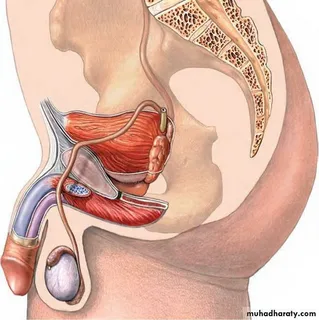
Both traditional and No Scalpel Vasectomy share the same primary objective: to access, isolate, and interrupt the vas deferens, the tubes responsible for transporting sperm. However, the tools used in each method differ significantly in design and function.
Traditional Vasectomy Tools Include:
- Scalpel for incisions
- Standard surgical forceps
- Hemostats for controlling bleeding
- Needle drivers and sutures for skin closure
- Electrocautery devices for sealing the vas
This combination requires cutting through multiple layers of tissue, often resulting in more bleeding, swelling, and postoperative bruising.
In contrast, No Scalpel Vasectomy replaces cutting instruments with tools engineered for puncture, gentle spreading, and microdissection, dramatically reducing trauma.
The Specialized Tools of No Scalpel Vasectomy
The NSV method typically uses two primary instruments developed in China in the 1970s by Dr. Li Shunqiang:
- Vas Ring Clamp
- Vas Dissecting Forceps
Over the years, variations of these tools have been manufactured to enhance ergonomics, precision, and surgical efficiency. Below, we compare these instruments in detail.
1. The Vas Ring Clamp
Design and Function
The Vas Ring Clamp is a fine-tipped instrument designed to gently grasp and stabilize the vas deferens under the skin. Its unique features include:
- Rounded, narrow jaws that minimize trauma
- Textured inner surfaces for secure grip
- Spring-loaded handles for controlled movement
- Non-cutting design to prevent tissue injury
This tool holds the vas in place just beneath the scrotal skin without pinching deeper tissue or causing unnecessary irritation.
Comparison With Traditional Forceps
Regular forceps used in traditional vasectomy are:
- Larger in size
- Less precise
- Designed for grasping larger tissue segments
- Potentially more traumatic when used on delicate scrotal structures
The Vas Ring Clamp is superior because it focuses on stabilization without compression injury. Its narrow, rounded tips allow surgeons to localize the vas accurately and avoid adjacent vessels.
Impact on Surgical Outcomes
Using the Vas Ring Clamp results in:
- Lower bleeding risk
- Reduced tissue trauma
- More accurate isolation of the vas
- Improved procedural speed
The clamp’s ability to hold the vas securely is essential for the next step of the NSV technique—puncture and spread.
2. The Vas Dissecting Forceps
Design and Function
The Vas Dissecting Forceps serve multiple roles:
- Puncturing the scrotal skin
- Spreading tissue to create the entry point
- Dissecting surrounding fascia from the vas
- Grasping and lifting the vas through the puncture opening
This multifunctional tool has:
- Very fine, sharp tips
- A curved and tapered design for maneuvering in tight spaces
- Smooth inner surfaces to prevent crushing
These forceps replace both the scalpel and dissection tools used in traditional vasectomy.
Comparison With a Scalpel in Traditional Vasectomy
The key differences include:
| Feature | Traditional Scalpel | NSV Dissecting Forceps |
| Skin entry | Cutting incision | Puncture + spread |
| Tissue trauma | Higher | Very low |
| Bleeding | More common | Rare |
| Vessel injury | Higher risk | Minimal risk |
| Size of entry | 1–2 cm incision | ~3 mm puncture |
The NSV forceps create a tiny controlled puncture, reducing bleeding and eliminating the need for sutures.
Advantages in Vas Isolation
Because the dissecting forceps separate tissue along natural planes instead of cutting, they dramatically reduce:
- Microvascular injury
- Bruising
- Postoperative discomfort
Their precision makes the NSV technique both efficient and safe, even when performed in office-based settings.
3. Hemostasis Tools Used in NSV
Even though NSV causes minimal bleeding, urologists still prepare for hemostasis when needed.
Common tools include:
- Small gauze pads
- High-precision cautery devices
- Hemostatic agents (rarely required)
The reduced trauma typically means these tools are used far less frequently than in traditional vasectomy, where cautery and clamping are routine.
4. Equipment for Occlusion of the Vas Deferens
Regardless of how the vas is accessed, it must be interrupted to prevent sperm from traveling.
Common occlusion methods include:
- Thermal cautery: Sealing the inner lumen
- Fascial interposition: Separating the cut ends
- Clips: Physically blocking the vas (less common)
- Sutures: Tying off the vas (rare in modern NSV)
Most NSV surgeons prefer cautery combined with fascial interposition because research shows:
- Lowest recanalization rates
- Highest long-term effectiveness
- Reduced risk of complications
These tools are the same in both traditional and No Scalpel techniques, but NSV allows easier access with a smaller opening.
5. Anesthetic Delivery Devices
Local anesthesia is critical for a comfortable vasectomy experience. In NSV, the tools used to deliver anesthesia are designed for patient comfort and precision.
Options Include:
Traditional Needle-Based Injection
- Quick and effective
- Precise targeting of the vasal sheath
Jet Injector (Needle-Free Anesthesia)
- Uses high-pressure spray to deliver anesthetic
- No needle puncture
- Often used in NSV clinics to improve comfort
Advantages in NSV Context
Because NSV avoids large incisions, anesthesia delivery is straightforward, requiring:
- Lower anesthetic volume
- Fewer injection points
- Less discomfort overall
The combination of fine tools and targeted anesthesia contributes significantly to the popularity of NSV.
6. Sterile Drapes, Lighting, and Positioning Tools
While these elements are similar across both vasectomy types, NSV’s minimally invasive nature means that:
- A smaller sterile field is needed
- Procedures can be performed efficiently in a clinic minor-procedure room
- Less equipment is required overall
This simplicity reduces costs and improves patient convenience.
7. Equipment Used for Postoperative Care
Although NSV incisions are minimal, practices still provide postoperative supplies, such as:
- Sterile gauze
- Scrotal support garments
- Antiseptic wipes
- Ice packs
Because NSV wounds are tiny punctures, these supplies are typically needed only briefly.
Comparing the Tool Sets: Traditional vs. No Scalpel Vasectomy
Below is a simplified comparison that highlights the difference in tools and equipment.
Traditional Vasectomy Tools
- Scalpel
- Standard forceps
- Tissue retractors
- Hemostats
- Needle drivers and sutures
- Multiple dissection tools
No Scalpel Vasectomy Tools
- Vas Ring Clamp
- Vas Dissecting Forceps
- Jet injector (optional)
- Fine cautery or occlusion tools
- Minimal wound care supplies
Key Differences:
- NSV requires fewer tools because the technique is more efficient.
- The tools are more specialized, designed specifically for vasectomy.
- Less tissue damage is caused by NSV instruments.
- Faster setup and cleanup due to fewer materials.
This difference reflects how NSV is optimized for outpatient care and patient comfort.
How Specialized NSV Tools Improve Surgical Outcomes
1. Reduced Bleeding and Bruising
The fine NSV tools avoid disrupting small vessels, leading to fewer hematomas and less discoloration.
2. Faster Procedure Time
The puncture-and-spread technique is streamlined, often completing the vasectomy in less than 15 minutes.
3. Lower Infection Rates
Smaller openings reduce bacterial exposure.
4. Greater Precision
Purpose-built tools allow surgeons to isolate and occlude the vas deferens with exceptional accuracy.
5. Less Postoperative Pain
Minimal tissue trauma results in quicker recovery and fewer complications.
Why Modern Urologists Prefer NSV Equipment
Many urologists consider NSV the superior technique because the tools:
- Are lightweight and ergonomic
- Reduce patient anxiety
- Enable faster patient turnover
- Minimize surgical complications
- Streamline sterilization and clinic workflow
These factors make NSV both clinically and operationally efficient.
Future Trends in NSV Equipment Innovations
New versions of NSV instruments continue to emerge, focusing on:
- Enhanced grip ergonomics
- Titanium or polymer construction for lighter weight
- Ultra-fine tip designs for improved precision
- Single-use sterile kits to reduce infection risk
Some clinics are even incorporating AI-assisted visualization to improve vas localization, though this technology is still emerging.
Conclusion
The effectiveness and popularity of the No Scalpel Vasectomy are closely tied to its specialized tools and equipment. The Vas Ring Clamp and Vas Dissecting Forceps—cornerstones of the NSV approach—allow surgeons to access the vas deferens with minimal trauma. Compared with the traditional scalpel-based technique, NSV tools offer greater precision, a vastly reduced risk of bleeding and bruising, faster recovery, and superior patient comfort.
By understanding how these instruments work and why they differ from traditional surgical tools, patients can better appreciate the benefits of this modern, refined approach to male sterilization.
FAQs
1. What makes the No Scalpel Vasectomy tools different from traditional vasectomy tools?
NSV tools are designed for puncture and gentle tissue spreading rather than cutting. The Vas Ring Clamp and Vas Dissecting Forceps minimize trauma, reduce bleeding, and eliminate the need for sutures.
2. Are the specialized NSV tools safe?
Yes. These instruments have been used worldwide for decades and are recommended by major urological associations. Their precision and design make the procedure safer than traditional vasectomy methods.
3. Does using fewer and finer tools make the procedure quicker?
Absolutely. NSV typically requires fewer instruments and is more efficient, reducing operative time while improving safety and comfort.