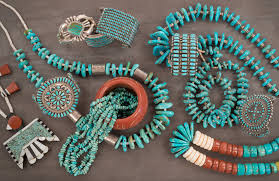

Native American jewelry is more than adornment—it is a powerful expression of culture, history, and identity. For centuries, Indigenous artisans of the American Southwest have used jewelry to tell stories, honor traditions, and showcase exceptional craftsmanship.
Today, growing demand makes it more important than ever for buyers to understand the heritage behind Native American jewelry, recognize authentic styles, and purchase responsibly. This guide offers clear insight into its cultural roots, design traditions, and ethical buying practices.
The Cultural Heritage of Native American Jewelry
Native American jewelry has deep ceremonial, spiritual, and social meaning. Long before commercial markets existed, jewelry symbolized status, protection, and connection to nature.
Native American jewelry reflects deep cultural heritage, spiritual beliefs, and artistic mastery passed down through generations. Crafted from materials such as turquoise, silver, shell, and coral, each piece carries symbolic meaning connected to nature, ancestry, and community identity. Designs often represent protection, healing, status, or harmony with the natural world. Jewelry making is not merely decorative; it is a form of storytelling and cultural preservation. Techniques and patterns vary among tribes, highlighting regional histories and values. Today, Native American jewelry continues to honor tradition while adapting creatively, sustaining cultural pride and economic resilience for future generations worldwide to appreciate fully.
Historical Foundations
- Early materials included shell, bone, stone, and turquoise
- Silverwork emerged in the mid-1800s through cultural exchange
- Designs often reflect natural elements, animals, and spiritual beliefs
Each piece represents generational knowledge passed down through families and tribes, making authenticity essential to preserving this heritage.
Distinct Styles by Tribal Tradition
Understanding tribal styles helps buyers appreciate craftsmanship and avoid misrepresentation.
Navajo Jewelry
Navajo jewelry is one of the most recognized and influential forms of Native American art. Originating in the late 19th century, it is known for its bold designs, skilled silversmithing, and use of natural stones such as turquoise, coral, and onyx. Navajo artisans introduced silverworking to the Southwest and developed distinctive techniques including stamping, repoussé, and sandcasting. Many designs reflect spiritual beliefs, nature, and clan identity. Today, Navajo jewelry continues to blend tradition with innovation, serving as both cultural expression and a vital source of economic and artistic pride.
- Known for bold sterling silver designs
- Features large turquoise stones, concho belts, and squash blossom necklaces
- Often emphasizes strength, balance, and protection
Hopi Jewelry
- Recognized for intricate overlay techniques
- Symbolic imagery such as rain clouds, feathers, and animals
- Fine detail and storytelling through design
Zuni Jewelry
- Famous for stone inlay, needlepoint, and petit point work
- Precise lapidary skills with turquoise, coral, and shell
- Delicate yet highly skilled craftsmanship
Each style reflects unique cultural values and artistic methods.
Materials That Define Authenticity
Authentic Native American jewelry typically uses high-quality, natural materials.
Common Materials
- Sterling silver (hand-fabricated rather than cast)
- Natural turquoise, often from historic mines
- Coral, jet, shell, spiny oyster, and onyx
Natural stones and traditional silversmithing techniques contribute to both cultural and long-term value.
How to Buy Native American Jewelry Ethically
Buying Native American jewelry ethically means respecting the artists, cultures, and traditions behind each piece. Start by purchasing directly from Native American artists, tribal cooperatives, or reputable galleries that clearly identify the maker and their tribal affiliation. Look for authenticity disclosures and avoid mass-produced or imitation items labeled vaguely as “Native-inspired.” Educate yourself about the Indian Arts and Crafts Act, which protects against misrepresentation. Pay fair prices that reflect the skill and time involved, and ask about the materials and techniques used. Ethical buying supports cultural preservation, economic fairness, and artistic integrity.
Ethical buying protects Indigenous artists and ensures cultural respect.
Tips for Responsible Purchasing
- Buy directly from Native American artists or reputable dealers
- Look for artist signatures or hallmarks
- Ask about tribal affiliation and materials used
- Avoid vague labels like “Native-inspired” or “Southwestern style jewelry”
- Be cautious of prices that seem unrealistically low
Authentic Native American jewelry is handmade and labor-intensive, which is reflected in fair pricing.
Why Authenticity Matters
Imitations and mass-produced items harm Native communities by:
- Undermining traditional artisans
- Misrepresenting cultural symbols
- Reducing trust in the marketplace
Supporting genuine artists helps preserve traditions and ensures the jewelry retains cultural and monetary value.
Caring for Native American Jewelry
Proper care protects both beauty and integrity.
Caring for Native American jewelry helps preserve its beauty, craftsmanship, and cultural value. Many pieces feature natural materials such as turquoise, coral, shell, and silver, which require gentle handling. Store jewelry in a soft, dry cloth or pouch to prevent scratches and moisture damage. Avoid exposure to chemicals, perfumes, lotions, and household cleaners, as these can discolor stones and tarnish silver. Remove jewelry before swimming, bathing, or heavy physical activity. Clean silver gently with a soft polishing cloth, and never soak pieces with stones unless advised by the artist. Proper care ensures that Native American jewelry remains a lasting expression of tradition and artistry for generations to come.
Best Care Practices
- Store jewelry separately to avoid scratches
- Avoid chemicals, perfumes, and excessive moisture
- Clean silver gently without removing natural patina
- Use professionals experienced with Native jewelry for repairs
Original condition is especially important for collectible or vintage pieces.
Final Thoughts
Native American jewelry represents living history, artistic mastery, and cultural resilience. By understanding its heritage, recognizing authentic styles, and buying ethically, you become more than a customer—you become a respectful steward of tradition.
True appreciation begins with knowledge, and ethical choices ensure these traditions continue for generations to come.