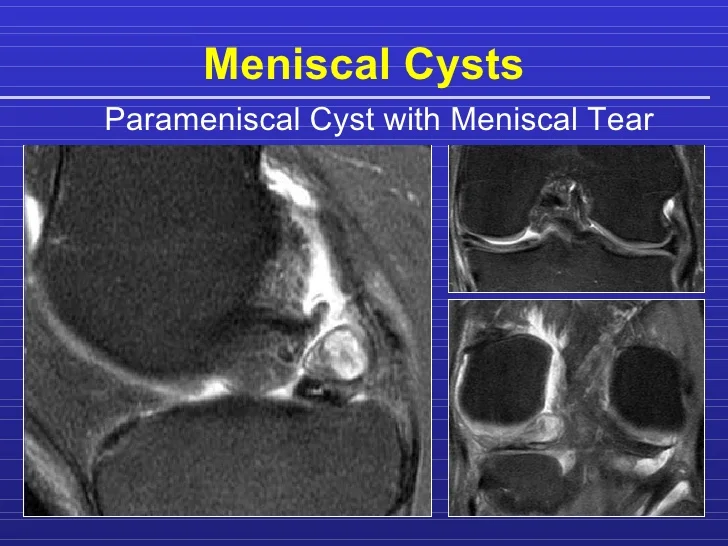

A meniscal cyst is a painful condition that develops when fluid collects along the meniscus cartilage in the knee, often linked to a meniscus tear with cyst formation. Many people first notice swelling, stiffness, or persistent knee discomfort, if they already have a meniscus tear with swelling.
While the pain may start as mild irritation, it can quickly interfere with walking, bending, or daily movement. Understanding the condition and seeking the right meniscal cyst treatment in Plano TX can help prevent long-term joint damage and restore knee function.
What is a Meniscal Cyst?
A meniscal cyst is a small, fluid-filled sac that forms next to a torn meniscus. The meniscus is a C-shaped cartilage that cushions the knee joint and allows smooth movement. When a tear develops, joint fluid can leak through the damaged cartilage and collect outside the meniscus, forming a cyst.
Most cases of meniscus tear with cyst occur due to sports injuries, repetitive stress, or sudden twisting motions of the knee. Over time, the cyst may enlarge and cause visible swelling on the side of the knee.
Causes of Meniscus Tear With Cyst
The most common cause of a meniscus tear with cyst is a knee injury involving twisting or rotation while the foot is planted. Athletes who play soccer, basketball, or tennis are at higher risk. However, age-related cartilage degeneration can also contribute.
A meniscus tear with swelling often signals underlying damage. When the tear allows fluid to escape, pressure builds up, leading to pain and inflammation around the knee joint.
Common Symptoms of a Meniscal Cyst
Symptoms vary depending on the size of the cyst and severity of the tear. Some patients experience increasing discomfort during physical activity. If untreated, the cyst may continue to grow, worsening knee instability. Common signs include:
- Swelling along the joint line
- Localized lump near the knee
- Knee stiffness
- Pain while bending or straightening
- Clicking or locking sensation
- Meniscus tear with swelling and tenderness
Meniscal Cyst Treatment Options
If you are experiencing persistent swelling or pain, it is important to consult a knee pain specialist. A thorough physical examination combined with imaging tests such as MRI can confirm the presence of a meniscus tear with cyst.
Early diagnosis is key. Delaying care may increase joint damage and make meniscal cyst treatment more complex.
The right meniscal cyst treatment depends on the size of the cyst and severity of the meniscus tear. Conservative treatment options may include rest, ice therapy, anti-inflammatory medications, and physical therapy to strengthen the muscles around the knee.
However, if the cyst is large or symptoms persist, surgical intervention may be recommended. In many cases, arthroscopic surgery is performed to repair the meniscus tear with cyst and remove the fluid collection. Treating the tear itself is essential, as simply draining the cyst may lead to recurrence.
For residents seeking meniscal cyst treatment Plano, personalized evaluation makes sure the most effective approach. Advanced techniques used in meniscal cyst treatment in Plano TX focus on minimizing downtime and restoring mobility quickly.
Why Early Treatment Matters?
Ignoring a meniscus tear with swelling can lead to chronic pain and long-term cartilage damage. Early intervention reduces inflammation, prevents cyst enlargement, and protects the knee joint from further deterioration.
Patients who seek timely meniscal cyst treatment in Plano TX often experience faster recovery and better long-term outcomes.
Choose a Meniscal Cyst Doctor in Plano
Finding the right meniscal cyst doctor in Plano is crucial for accurate diagnosis and effective treatment. A specialist with experience in sports injuries and cartilage repair can provide a comprehensive care plan customized to your condition.
Consulting a board-certified knee specialist Plano makes sure you receive expert care based on advanced orthopedic techniques and evidence-based treatment methods. Board certification reflects specialized training and expertise in diagnosing and managing knee conditions, including meniscus tear with cyst complications.
A skilled knee pain specialist not only treats the cyst but also addresses the underlying meniscus damage. This comprehensive approach prevents recurrence and supports full knee function recovery.
In Plano, patients benefit from access to experienced providers who focus on restoring mobility, reducing inflammation, and improving overall joint health. Whether your symptoms are mild or severe, professional evaluation makes sure you receive the most appropriate meniscal cyst treatment Plano has to offer.
FAQs
What causes a meniscus tear with cyst?
A meniscus tear with cyst usually develops after a knee injury involving twisting or sudden rotation. Degenerative changes in the cartilage can also contribute.
Can a meniscus tear with swelling heal on its own?
Minor tears may improve with conservative care, but persistent swelling often indicates structural damage that may require medical treatment.
What is the best meniscal cyst treatment in Plano TX?
Treatment depends on severity. Mild cases may respond to physical therapy and anti-inflammatory care, while larger cysts often require arthroscopic repair.
Do I need surgery for a meniscal cyst?
Not always. A knee pain specialist will determine if conservative care is sufficient or if surgical repair is necessary.
How do I choose a Board-certified knee specialist in Plano?
Look for experience in sports injuries, cartilage repair, and positive patient outcomes. A Board-certified knee specialist Plano can provide advanced diagnostic and treatment options customized to your needs.
Conclusion
A meniscal cyst may begin as simple knee discomfort, but it often signals a deeper issue such as a meniscus tear with cyst formation. Seeking early evaluation from a trusted knee pain specialist and exploring proper meniscal cyst treatment in Plano TX can help relieve pain, restore function, and prevent long-term complications.