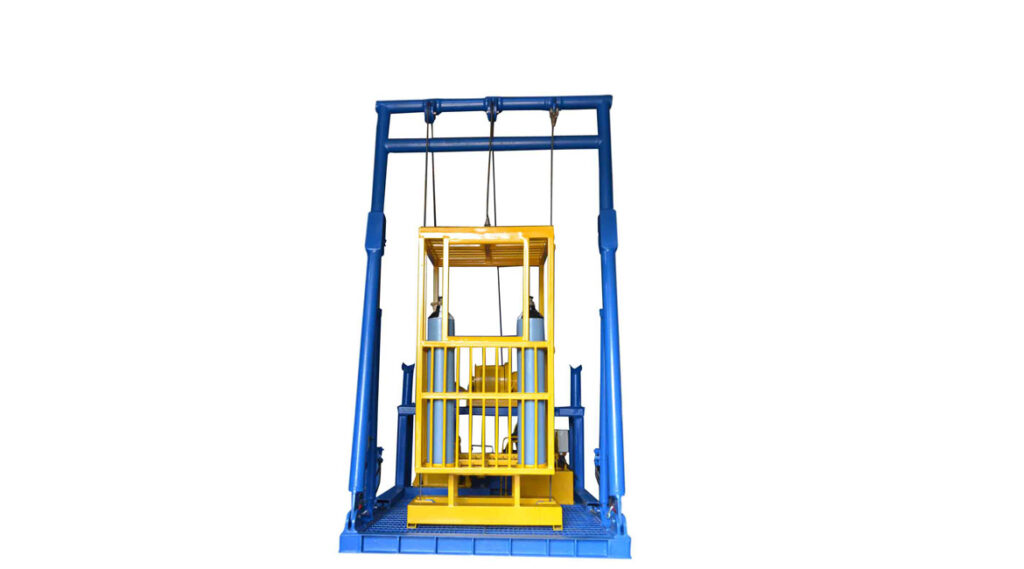

The LARS system is a critical component in offshore crane systems and marine lifting operations, widely used for the safe launch and recovery of subsea equipment. It plays a key role in offshore oil and gas, marine engineering, naval operations, and deep sea exploration projects.
As offshore operations expand into deeper waters and more complex environments, the demand for reliable marine lifting systems, offshore handling equipment, and subsea deployment systems continues to grow. The LARS system ensures safe, efficient, and controlled operations, especially in harsh sea conditions where precision and stability are essential.
In many offshore environments, the LARS system works alongside essential safety infrastructure such as Air Decompression Chamber systems, which support diving operations and underwater activities.
Role of LARS System in Offshore Operations
The LARS system is used for controlled deployment and recovery of subsea equipment from vessels. It is an essential part of offshore crane systems and is specifically designed to operate in dynamic marine environments.
Offshore lifting operations are affected by wave motion, vessel movement, and load instability. The LARS system addresses these challenges by providing controlled lifting, stability, and precise handling.
It is commonly used in ROV launch and recovery systems, subsea installation projects, and underwater inspection operations. In offshore projects involving divers, Air Decompression Chamber systems are also used to ensure safety during underwater work, making both systems important for offshore operations.
Working Principle of LARS System
The LARS system operates through a combination of mechanical structures, hydraulic systems, and advanced control technologies.
A winch system, powered by hydraulic or electric drives, is used to lift and lower equipment. The structure, which may be an A-frame or crane-based system, supports the load during operation.
One of the key features of the system is its ability to handle wave motion. This is achieved through heave compensation systems, which reduce vertical movement caused by sea waves. This ensures that subsea equipment remains stable during deployment and recovery.
The process begins with securing the equipment to the lifting mechanism. It is then lowered into the water in a controlled manner. During operation, the system maintains stability, and once the task is complete, the equipment is safely recovered.
This level of control makes the LARS system essential for offshore lifting equipment and marine crane operations.
Types of LARS System
A-Frame Systems
A-frame systems are widely used in offshore vessels and are suitable for heavy subsea lifting operations. They provide high strength and stability, making them ideal for deep sea applications.
Crane-Based Systems
Crane-based LARS systems are integrated with marine crane systems and offer flexibility for different offshore tasks. They are commonly used in multi-purpose offshore vessels.
Davit Systems
Davit systems are used for lighter applications such as lifeboats and small equipment handling. They are commonly installed on ships for safety and support operations.
Each type of system is selected based on load requirements, vessel design, and operational needs.
Integration with Air Decompression Chamber
In offshore environments where diving operations are involved, the LARS system works alongside Air Decompression Chamber systems.
While the LARS system handles the deployment and recovery of subsea equipment, the Air Decompression Chamber is used to ensure diver safety during underwater operations. It helps manage pressure changes and reduces the risk of decompression-related issues.
This integration is especially important in offshore oil and gas projects, underwater inspection tasks, and deep sea operations where both equipment handling and human safety are critical.
The combination of LARS system and Air Decompression Chamber enhances overall operational efficiency and safety in offshore environments.
Applications of LARS System
The LARS system is used in a wide range of offshore and marine applications.
In offshore oil and gas, it is used for subsea equipment installation, pipeline inspection, and maintenance operations. It plays a key role in handling heavy subsea tools and supporting drilling activities.
In ROV operations, the system is used for launching and recovering remotely operated vehicles used for underwater inspection and repair work.
Marine research vessels use the system for deploying scientific instruments and deep sea exploration equipment.
Naval operations depend on the LARS system for handling underwater vehicles and mission-critical equipment. In such environments, Air Decompression Chamber systems are also used to support diving teams and ensure safety.
Key Components of LARS System
The LARS system consists of several important components that work together to ensure safe and efficient operations.
The hydraulic power unit provides the energy required for lifting and control systems. The winch system is responsible for lifting and lowering loads with precision.
The structural frame, such as an A-frame or crane, supports the load and provides stability. The control system manages operations and allows precise positioning.
Load monitoring systems are used to track weight and tension, ensuring safe operation and preventing overload conditions.
These components make the system reliable for offshore lifting operations and subsea handling tasks.
Benefits of LARS System
The LARS system offers several advantages in offshore operations.
It improves safety by reducing manual handling and providing controlled lifting operations. It supports high load capacity, making it suitable for heavy duty marine lifting equipment.
The system ensures precision during subsea deployment, which is important for accurate positioning of equipment. It also improves efficiency by reducing operation time and minimizing downtime.
Another key benefit is its ability to operate in harsh marine environments, making it ideal for deep sea and offshore projects.
Design Considerations
Selecting the right LARS system requires careful consideration of several factors.
Load capacity is one of the most important aspects, as the system must handle required loads safely. Environmental conditions such as wave height, wind speed, and water depth must also be considered.
The type of vessel and available deck space influence system design and installation. Heave compensation requirements and level of automation should also be evaluated to ensure optimal performance.
Proper design ensures that the system operates efficiently and safely in offshore conditions.
Maintenance and Safety
Regular maintenance is essential for the performance and longevity of the LARS system.
Routine inspections should include checking wire ropes, winch systems, and hydraulic components. Control systems and sensors should be tested to ensure proper functioning.
Safety checks are important to prevent failures and ensure reliable offshore operations. Proper maintenance not only improves performance but also reduces operational risks.
Challenges in Offshore Operations
Offshore lifting operations face several challenges, including wave motion, load instability, and harsh environmental conditions.
The LARS system helps overcome these challenges by providing controlled lifting, stability, and advanced handling capabilities. However, proper operation, training, and maintenance are essential to achieve the best results.
In diving operations, Air Decompression Chamber systems help manage risks associated with pressure changes, ensuring safety alongside equipment handling.
Future Trends
The offshore industry is moving towards more advanced and automated systems. The LARS system is evolving with improved control technologies, better efficiency, and enhanced safety features.
Integration with digital monitoring systems and remote operation capabilities is becoming more common. These advancements improve performance and reduce human intervention in offshore operations.
The use of advanced safety systems such as Air Decompression Chamber solutions will continue to be important in supporting offshore activities.
Conclusion
The LARS system is a vital part of offshore crane systems and marine lifting operations. It enables safe and efficient handling of subsea equipment in challenging marine environments.
Its integration with systems like Air Decompression Chamber further enhances safety and operational performance, especially in offshore projects involving diving and underwater work.
With proper design, selection, and maintenance, the LARS system provides reliable performance and remains essential for offshore oil and gas, marine engineering, and subsea operations.
FAQ
What is LARS system used for
The LARS system is used for launching and recovering subsea equipment, ROV operations, and offshore lifting tasks.
What is the use of Air Decompression Chamber in offshore operations
Air Decompression Chamber systems are used to support divers by managing pressure changes and ensuring safety during underwater work.
Where is LARS system used
It is used in offshore oil and gas, marine engineering, naval operations, and research vessels.