
Introduction
In vitro fertilization (IVF) has changed the lives of many couples. It offers hope where natural conception is difficult. However, many people ask an important question: Is IVF safe and ethical
Understanding both the medical and ethical sides of IVF helps couples make informed decisions.
What Is IVF?
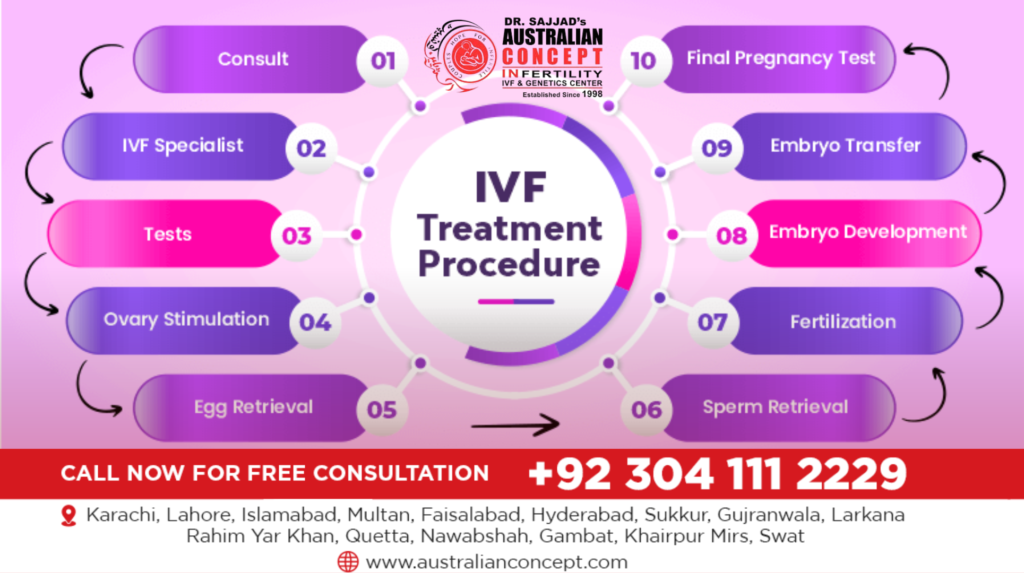
IVF is a fertility treatment. It involves fertilizing an egg with sperm outside the body in a lab.
The resulting embryo is then placed into the uterus. This increases the chances of pregnancy.
IVF is widely used around the world. It is part of assisted reproductive technology.
Is IVF Safe?
Medical Safety of IVF
IVF treatment is generally considered safe. It has been used for decades with continuous improvements.
Doctors follow strict medical protocols. This reduces risks and ensures patient safety.
Common Side Effects
Some mild side effects may occur during treatment:
- Bloating
- Mood changes
- Mild pain after egg retrieval
- Temporary discomfort
These effects are usually short-term.
Possible Risks
Like any medical procedure, IVF has some risks:
- Ovarian hyperstimulation syndrome (OHSS)
- Multiple pregnancies (twins or more)
- Minor surgical risks during egg retrieval
However, these risks are rare and manageable with proper care.
Long-Term Safety
Research shows that IVF is safe for both mother and baby in most cases.
Children born through IVF generally grow and develop normally.
Ethical Considerations of IVF
Embryo Handling
One of the main ethical concerns is about embryos. During IVF, multiple embryos may be created.
Not all embryos are used. Some are frozen, and others may not be used at all. This raises moral questions for some people.
Genetic Testing
IVF allows genetic screening of embryos. This helps avoid certain genetic diseases.
However, some worry about misuse, such as selecting traits. This brings ethical debates.
Religious and Cultural Views
Different cultures and religions have different views on IVF.
Some fully accept it, while others have concerns about natural processes and embryo use.
Benefits of IVF
- Helps couples with infertility
- Offers solutions for genetic conditions
- Provides options for delayed parenthood
- Supports single parents and same-sex couples
These benefits make IVF a valuable medical advancement.
How Ethics Are Managed in IVF
Fertility clinics follow strict ethical guidelines.
Doctors ensure:
- Informed consent from patients
- Respect for patient beliefs
- Safe handling of embryos
- Transparent communication
Ethical committees also guide practices in many countries.
Making an Informed Decision
Couples should consider both medical and ethical aspects.
It is important to:
- Talk openly with a fertility specialist
- Understand all steps of the process
- Discuss personal beliefs and values
- Ask questions about risks and outcomes
This helps in making a confident decision.
Emotional and Psychological Aspects of IVF
IVF is not only a physical process. It also affects emotional well-being. Couples may feel stress, anxiety, or uncertainty during treatment.
The waiting period between steps can be difficult. Hormonal changes may also impact mood. That is why emotional support is very important.
Counseling services can help couples manage these feelings. Support from family and partners also plays a key role.
Financial Considerations and Accessibility
IVF treatment can be expensive. The cost may vary depending on the clinic, medications, and number of cycles required.
For some couples, financial pressure adds to emotional stress. This raises ethical concerns about accessibility. Not everyone can afford advanced fertility treatments.
In many regions, efforts are being made to make IVF more affordable. Awareness and support programs can also help couples explore their options.
Advances in IVF Technology
Medical science continues to improve IVF techniques. These advancements increase safety and success rates.
Some important developments include:
- Improved embryo selection methods
- Time-lapse embryo monitoring
- Better freezing techniques (cryopreservation)
- Genetic testing to prevent inherited diseases
These innovations make IVF more reliable and efficient.
Social Acceptance of IVF
Over time, IVF has become more widely accepted. Many families openly discuss their fertility journeys.
Social awareness has reduced stigma around infertility. More people now understand that fertility challenges are medical conditions.
This acceptance helps couples seek treatment without fear or shame.
Role of Doctors and Clinics
Fertility specialists play a crucial role in IVF treatment. They guide patients through every step.
A good clinic ensures:
- Proper diagnosis
- Personalized treatment plans
- Ethical practices
- Patient education
Choosing the right medical team improves both safety and confidence.
IVF and Future Perspectives
The future of IVF looks promising. Research is ongoing to make treatments safer, faster, and more accessible.
Scientists are exploring ways to improve embryo development and implantation rates. Ethical discussions are also evolving with technology.
As awareness grows, more couples will benefit from these advancements.
Conclusion
Medically, IVF is considered safe and effective. Ethically, it may raise questions, but these are managed through guidelines and patient choice.
With the right information and support, couples can decide what is best for their journey to parenthood.
For More Details: https://acimc.org/ivf-lahore/
FAQs
1. Is IVF completely safe?
IVF is generally safe, but like any procedure, it has minor risks.
2. Are IVF babies healthy?
Yes, most IVF babies are born healthy and develop normally.
3. Why is IVF considered unethical by some?
Concerns include embryo handling, genetic selection, and third-party involvement.
4. Can IVF be done according to personal beliefs?
Yes, treatment can be planned based on individual values and preferences.
5. Who regulates IVF practices?
Medical authorities and ethical committees ensure safe and responsible practices.