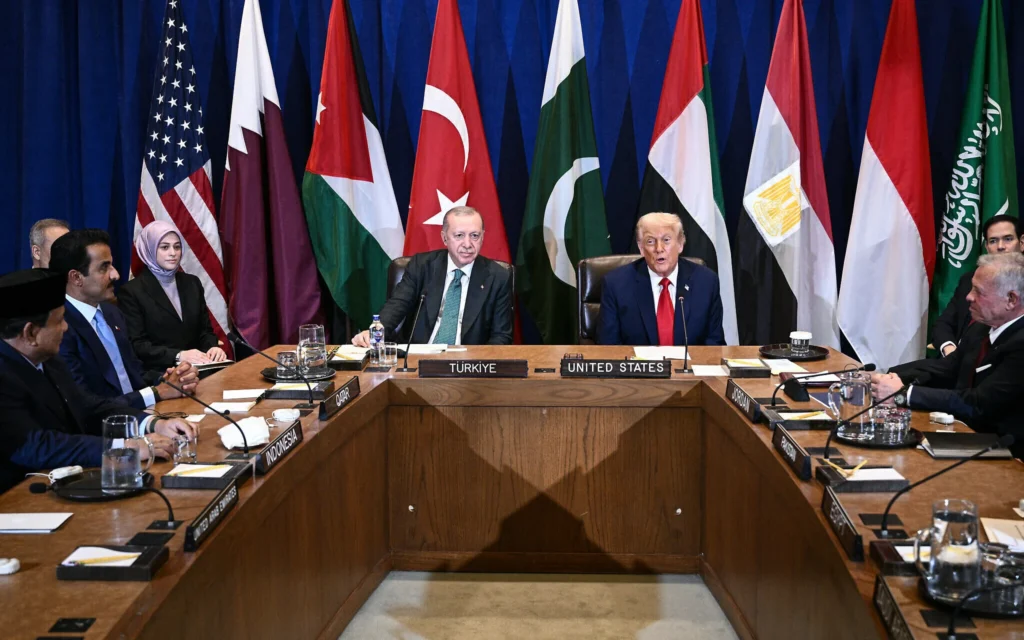

Inclusive Muslim Leadership in a Changing Global Landscape
Leadership within Muslim communities is evolving in response to social change, globalization, and increasing cultural diversity. As societies become more interconnected, the need for leaders who can navigate complexity with wisdom, empathy, and ethical clarity has never been greater. Inclusive Muslim leadership represents an approach that balances faith-based values with openness, dialogue, and responsible engagement in diverse social environments.
This form of leadership is not limited to religious settings. It extends into education, civil society, public discourse, and international relations, shaping how Muslim communities interact with wider societies while maintaining their identity and values.
Understanding Inclusivity in Leadership
Inclusivity in leadership emphasizes participation, representation, and mutual respect. Within a Muslim context, it reflects core Islamic principles such as justice, consultation (shura), compassion, and accountability. Inclusive leadership encourages diverse voices, acknowledges different perspectives, and seeks solutions that serve the broader community.
Inclusive Muslim leadership focuses on building trust and understanding across differences. It supports leaders who are capable of listening deeply, responding thoughtfully, and guiding communities through complex moral and social challenges.
Leadership Rooted in Ethical Responsibility
Ethics form the foundation of effective leadership. Islamic teachings emphasize moral responsibility, integrity, and service to others. Leaders are viewed not as figures of authority alone, but as caretakers entrusted with the wellbeing of their communities.
An inclusive leadership model integrates ethical reflection with practical decision-making. Leaders are encouraged to consider the social impact of their actions, promote fairness, and address injustice while remaining grounded in spiritual and moral principles.
Navigating Cultural and Social Diversity
Muslim communities today are diverse in culture, ethnicity, language, and lived experience. Leadership that acknowledges this diversity fosters unity without enforcing uniformity. Inclusivity allows individuals to feel seen and valued, strengthening collective identity.
In multicultural societies, leaders must also engage constructively beyond their own communities. This includes participation in civic dialogue, education, and collaboration with people of different beliefs and backgrounds.
Leadership in Intercultural and Global Contexts
Global challenges such as migration, social polarization, and political conflict require leaders who can bridge divides. Muslim leaders often find themselves at the intersection of faith, culture, and public life.
In this context, leadership plays a key role in shaping dialogue, reducing misunderstanding, and encouraging cooperation. Discussions around Muslim-Western relations leadership highlight the importance of informed, balanced voices that can engage across cultural and ideological boundaries without compromising core values.
Education and Leadership Development
Leadership skills are developed through education, reflection, and lived experience. Structured learning environments allow emerging leaders to study history, ethics, governance, and communication while engaging with contemporary issues.
Leadership education within a Muslim framework often explores topics such as:
- Ethical leadership and moral philosophy
- Community engagement and social responsibility
- Conflict resolution and dialogue
- Governance and civic participation
- Identity, pluralism, and global citizenship
These areas of study support thoughtful leadership that is responsive to both internal community needs and external societal realities.
Communication and Public Engagement
Effective leadership requires strong communication skills. Leaders must be able to articulate ideas clearly, listen actively, and engage respectfully in public discourse. In diverse societies, communication also involves cultural awareness and sensitivity.
Inclusive leaders recognize the power of language in shaping perceptions and relationships. By promoting respectful dialogue, leaders contribute to mutual understanding and social cohesion.
Addressing Contemporary Challenges
Modern Muslim leaders face complex challenges, including media representation, social integration, generational change, and political pressure. Addressing these issues requires resilience, adaptability, and a commitment to principled leadership.
An inclusive approach helps leaders navigate these challenges without resorting to isolation or defensiveness. Instead, it encourages proactive engagement and constructive problem-solving.
Building Trust Within and Beyond Communities
Trust is essential for effective leadership. It is built through transparency, consistency, and ethical conduct. Leaders who act with integrity and humility foster confidence within their communities and credibility in wider society.
Inclusive Muslim leadership emphasizes accountability and shared responsibility, ensuring that leadership remains connected to the people it serves rather than distant or hierarchical.
Platforms for Dialogue and Reflection
Spaces for thoughtful discussion and leadership development are essential for nurturing inclusive leadership. Forums that encourage open dialogue allow scholars, professionals, and community members to exchange ideas and reflect on shared challenges.
Organizations such as Concordia Forum contribute to these conversations by supporting intellectual engagement and leadership discourse rooted in ethical and intercultural understanding.
The Long-Term Impact of Inclusive Leadership
Inclusive leadership has long-term implications for social harmony, community resilience, and global cooperation. Leaders who value diversity and dialogue help create environments where differences are managed constructively rather than becoming sources of division.
As societies continue to evolve, leadership grounded in ethical principles and openness will remain essential for navigating change and fostering mutual respect.
Conclusion
Inclusive Muslim leadership offers a thoughtful and principled response to the complexities of modern society. By integrating ethical responsibility, cultural awareness, and open dialogue, this leadership approach supports both community wellbeing and constructive engagement with the wider world.
Through informed engagement with topics such as Muslim-Western relations leadership, inclusive leaders contribute to understanding, cooperation, and social cohesion. In an increasingly interconnected global environment, leadership that balances faith, inclusivity, and responsibility plays a vital role in shaping a more just and respectful future.