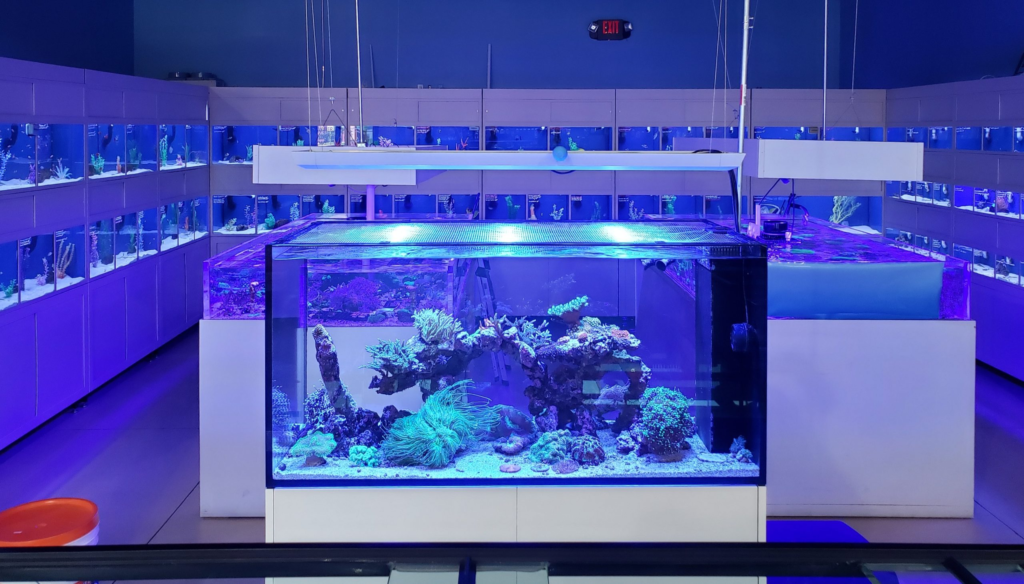

Maintaining a thriving saltwater aquarium requires consistent care, proper feeding, and regular monitoring of water quality. Many enthusiasts rely on a Saltwater fish store online for advice, but preventing diseases demands more than supplies. Fish health depends on clean water, balanced nutrition, a stress-free environment, and prompt detection of early illness signs. Consistent preventive practices reduce the risk of bacterial, parasitic, or fungal infections, ensuring fish remain active and colorful. This guide outlines actionable strategies to safeguard your aquarium and maintain a healthy marine ecosystem.
Common Saltwater Fish Diseases
Saltwater fish are prone to marine Ich, velvet disease, bacterial and fungal infections, and internal parasites. White spots, dusty coatings, abnormal swimming, rapid gill movement, or cotton-like patches indicate illness. Internal parasites may cause bloating, weight loss, or erratic behavior. Early identification is vital to prevent widespread infection in the tank. Understanding the signs helps hobbyists respond promptly and apply effective treatments. Observing fish daily ensures quick intervention, reducing stress and avoiding permanent damage to their health and the overall aquarium environment.
Key Factors That Lead To Diseases
Disease outbreaks often result from poor water quality, overcrowding, nutritional deficiencies, stress, or introducing infected fish and equipment. High ammonia, nitrite, or nitrate levels weaken immunity and create a toxic environment. Overcrowding increases aggression and disease transmission, while poor diet reduces resilience against pathogens. Sudden changes in temperature, salinity, or lighting trigger stress, making fish more susceptible. Quarantining new additions and disinfecting equipment prevents contamination. Recognizing these triggers allows hobbyists to implement preventive measures and maintain a healthy, balanced ecosystem that supports long-term fish well-being.
Water Management and Filtration
Maintaining clean water is critical to prevent disease. Test water parameters, including pH, ammonia, nitrite, and nitrate, at least weekly. Partial water changes reduce harmful compounds and improve overall quality. Filtration systems should combine biological, chemical, and mechanical methods for maximum efficiency. Proper water circulation avoids stagnant zones where pathogens thrive. Using quality equipment, performing routine maintenance, and monitoring water temperature and salinity create a stable environment. Consistent water management ensures fish remain healthy, vibrant, and resistant to stress-related illnesses, forming the foundation of a disease-free aquarium.
Nutrition and Feeding
Proper nutrition is a key factor in disease prevention. Feed a varied diet of high-quality pellets, flakes, and frozen foods while avoiding overfeeding to reduce waste. Include vitamin and mineral supplements to strengthen immune systems. Rotating food types provides a balanced nutrient intake, supporting growth and vitality. Well-nourished fish are more resistant to bacterial, fungal, and parasitic infections. Feeding schedules and portion control also prevent water quality issues caused by uneaten food. Maintaining consistent and nutritious feeding routines improves overall fish health and reduces susceptibility to illnesses.
Quarantine and New Additions
Quarantining new fish and equipment is essential to prevent disease introduction. Isolate new fish in a separate tank for 2–4 weeks, observing behavior and physical condition. Disinfect nets, heaters, ornaments, and other accessories before use. Avoid sharing equipment between tanks unless properly sterilized. Early detection of illness in quarantine allows for effective treatment without affecting the main aquarium. This practice reduces the risk of pathogens spreading, safeguards the existing population, and ensures that new fish adapt to tank conditions safely. Quarantine remains one of the most reliable preventive measures in marine aquariums.
Environmental Enrichment and Stress Reduction
Stress increases vulnerability to disease. Maintaining stable temperature, salinity, and light cycles reduces stress-induced illnesses. Providing hiding spots with rocks, coral, or artificial shelters allows fish to rest and exhibit natural behavior. Avoid aggressive tankmates that may harm others and trigger stress responses. A calm environment promotes strong immunity, supports healthy growth, and prevents behavioral issues. Enrichment and a well-structured tank create conditions that mimic natural habitats. Stress reduction complements water quality and nutrition, forming a holistic approach to maintaining a disease-resistant saltwater aquarium.
Common Preventive Measures
Routine preventive measures keep fish healthy and reduce disease outbreaks. Regular tank cleaning removes algae, debris, and uneaten food. Daily observation of fish behavior allows early detection of abnormalities. UV sterilizers can reduce free-floating pathogens in the water. Adding probiotics supports gut health and overall immunity. Maintaining recommended stocking levels prevents overcrowding and competition. Consistent application of these practices ensures a stable environment where fish thrive. Combining water management, nutrition, quarantine, and stress reduction creates a proactive disease prevention plan for saltwater aquariums.
Conclusion
Preventing diseases in saltwater fish environments requires a combination of water management, proper nutrition, quarantine protocols, and stress reduction. Monitoring water quality, feeding balanced diets, and maintaining clean tanks reduce illness risks. Quarantining new additions prevents pathogens from spreading, while environmental enrichment supports immunity and natural behavior. Consistency in these measures allows hobbyists to enjoy vibrant, healthy fish with minimal disease incidents. Applying these steps creates a long-term, balanced ecosystem where fish can thrive, ensuring the success and enjoyment of maintaining a saltwater aquarium.
FAQs
How often should water parameters be tested in saltwater aquariums?
Water parameters such as pH, ammonia, nitrite, and nitrate should be tested weekly to prevent harmful levels that trigger diseases.
How long should new fish be quarantined before adding to the main tank?
New fish should be quarantined for 2–4 weeks to monitor for illnesses and prevent spreading pathogens to existing fish.
What foods help prevent diseases in saltwater fish?
A varied diet of high-quality pellets, flakes, frozen foods, and supplements strengthens immunity and reduces disease risk.
Can UV sterilizers prevent fish diseases completely?
UV sterilizers reduce free-floating pathogens but work best with clean water, proper nutrition, and quarantine practices.
How does stress affect fish health?
Stress weakens immunity, increasing susceptibility to infection. Stable tank conditions and hiding spots help maintain healthy, stress-free fish.