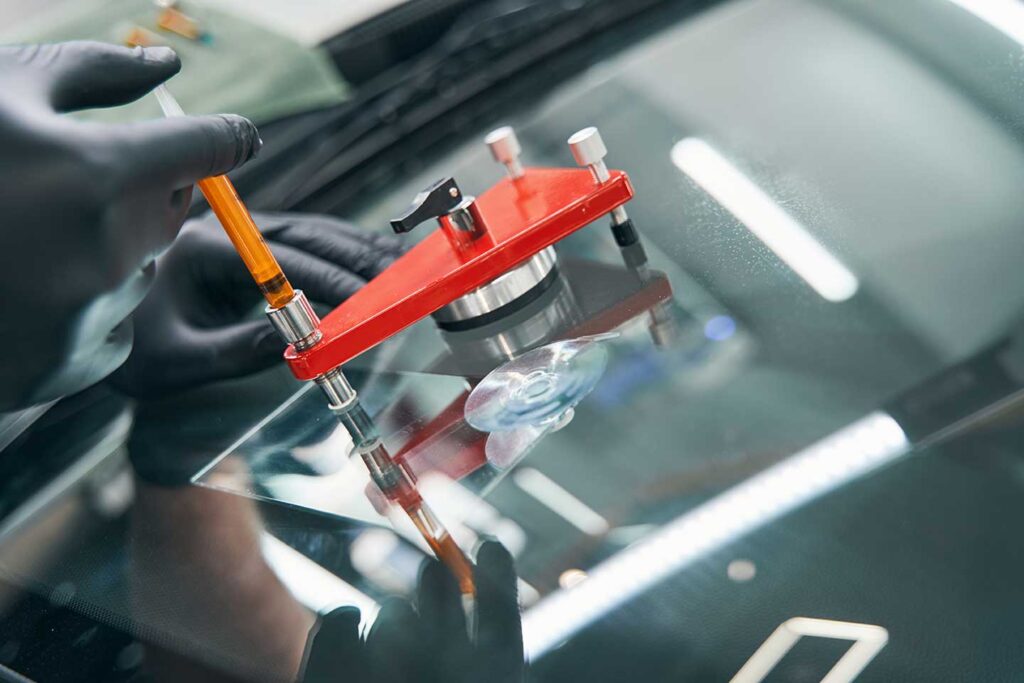

Replacing damaged auto glass is crucial for driving safety and restoring clear vision. A professionally installed windshield provides structural integrity, yet maintaining visibility requires ongoing care after replacement. Services like Windshield Repair Kissimmee ensure proper installation, but drivers must follow best practices to preserve clarity. Proper maintenance prevents scratches, streaks, and residue buildup that can compromise vision. Understanding cleaning methods, protective measures, and environmental precautions ensures your new windshield stays transparent, reliable, and safe for daily driving, improving both comfort and safety behind the wheel.
Why Post-Replacement Visibility Matters
Visibility directly affects driving safety. A new windshield can quickly lose clarity due to dust, adhesive residue, water spots, or other contaminants. Reduced transparency can increase glare from sunlight or headlights, distracting drivers and slowing reaction times. Neglecting maintenance may also lead to scratches, weakening the glass over time. Consistent care preserves the windshield’s structural integrity and ensures its lifespan is maximized. Clear glass improves both comfort and confidence while driving, preventing avoidable accidents caused by poor visibility during day or night conditions.
Immediate Care After Glass Replacement
The first 24 to 48 hours after a glass replacement are critical for proper adhesive curing. Drivers should avoid slamming doors, driving on rough terrain, or washing the vehicle prematurely. Retention tape placed by technicians should remain in place for the recommended duration, allowing the windshield to bond fully. Applying stress during this period may lead to leaks, improper sealing, or misalignment. Observing these precautions ensures the glass settles correctly, maintains clarity, and preserves the vehicle’s safety features, reducing the risk of future repairs or compromised structural integrity.
Proper Cleaning Techniques For Clear Glass
Maintaining a spotless windshield requires correct cleaning methods. Using abrasive materials or harsh chemicals can leave permanent marks or streaks. Drivers should use a microfiber cloth and ammonia-free cleaners. Cleaning both interior and exterior surfaces regularly prevents dust and grime buildup. Wiping in circular or vertical motions minimizes streaks, while avoiding direct sunlight prevents residue from drying too quickly. Consistency is key, as improper cleaning contributes to scratches and reduced clarity. These practices keep your windshield transparent, protect the surface, and enhance safety by ensuring unobstructed vision in all conditions.
Bullet Points: Proper Cleaning Practices
- Use a soft microfiber cloth instead of rough towels
- Select ammonia-free glass cleaners
- Clean both interior and exterior surfaces regularly
- Wipe in circular or vertical motions to avoid streaks
- Avoid cleaning under direct sunlight to prevent residue
Preventing Scratches And Surface Damage
Even modern auto glass is vulnerable to scratches, which can distort light and impair visibility. Objects such as dirt, sand, or worn-out wiper blades can damage the surface if not addressed promptly. Drivers should inspect wiper blades regularly and replace them when necessary. Avoid scraping ice or debris with sharp tools. Keeping the windshield clean prevents particles from rubbing against the glass while wipers are in use. These preventive measures maintain a smooth surface, extend the life of the windshield, and preserve clear, unobstructed vision for safer driving on all roads and in all weather conditions.
Protecting The Windshield From Environmental Factors
Environmental factors pose a significant risk to a new windshield’s clarity. Rain, dust, bird droppings, tree sap, and extreme sunlight can damage the glass or leave stubborn stains. Parking in shaded or covered areas reduces exposure to these hazards. Sudden temperature changes, such as pouring hot water on frozen glass, may weaken the windshield over time. Regular washing removes contaminants before they cause permanent marks. Being proactive about environmental protection preserves both clarity and structural integrity, ensuring the windshield remains safe and visually clear for years without requiring frequent repairs or replacements.
Maintaining Windshield Wipers For Better Visibility
Windshield wipers are essential for maintaining clear vision during rain, snow, or dusty conditions. Damaged or worn blades smear debris rather than remove it. Proper maintenance includes replacing blades every six to twelve months, checking for cracks or stiffness in the rubber AI Agents Microsoft 365, and cleaning the blades to remove dirt buildup. Ensure the wiper arms apply even pressure across the glass and use washer fluid to reduce friction. Well-maintained wipers protect the windshield from scratches and prevent streaking, helping drivers maintain unobstructed visibility during all weather conditions, especially during sudden storms or heavy traffic.
Avoiding Common Mistakes After Replacement
Many drivers unintentionally reduce their windshields’ lifespan by making avoidable mistakes. Using abrasive cleaners or scrubbing with rough materials can leave permanent scratches. Failing to remove dirt before using wipers drags particles across the glass, causing surface damage. Neglecting interior surfaces allows dust, smoke residue, and oils to accumulate, reducing visibility during nighttime driving. Paying attention to these details ensures the windshield remains clear and reduces the need for premature repairs. Proper habits maintain optimal clarity, prevent minor issues from escalating, and support long-term driving safety and comfort.
When Professional Maintenance Is Needed
Some issues cannot be resolved with regular cleaning alone. Hard water stains, adhesive residue, or minor surface imperfections may require professional attention. Auto glass specialists have the expertise, tools, and polishing solutions to restore clarity without causing damage. Persistent streaks, unusual glare, or reduced visibility indicate the need for professional inspection. Regular professional checks identify potential problems early, preventing costly repairs or replacements. Addressing these issues promptly ensures the windshield remains fully functional, safe, and clear, maintaining maximum visibility for all driving conditions and prolonging the lifespan of the new glass.
Conclusion
Maintaining visibility after a glass replacement ensures driving safety and comfort. Professional installation guarantees structural integrity, but ongoing care preserves clarity. Consistent cleaning, wiper maintenance, and protection against environmental hazards prevent scratches, stains, and glare. Recognizing common mistakes and seeking professional help when needed keeps the windshield in optimal condition. Following these maintenance practices ensures that newly replaced glass remains clear, reliable, and durable. Drivers can enjoy safe, comfortable journeys with confidence, knowing their windshield provides clear visibility and lasting protection.
FAQs
How soon can I drive normally after a glass replacement?
Most windshields need 24–48 hours to bond fully. Avoid heavy stress, slamming doors, or washing the car during this time.
What is the safest cleaning method for a new windshield?
Use a microfiber cloth and ammonia-free glass cleaner, wiping in circular or vertical motions to prevent streaks and scratches.
How often should wiper blades be replaced?
Replace wiper blades every six to twelve months, or sooner if cracks, stiffness, or uneven pressure occurs.
Can environmental conditions damage a new windshield?
Yes, rain, bird droppings, tree sap, dust, and sudden temperature changes can harm or stain glass without proper care.
When is professional windshield maintenance recommended?
Persistent streaks, glare, scratches, or residue that cannot be removed through regular cleaning require professional attention.

