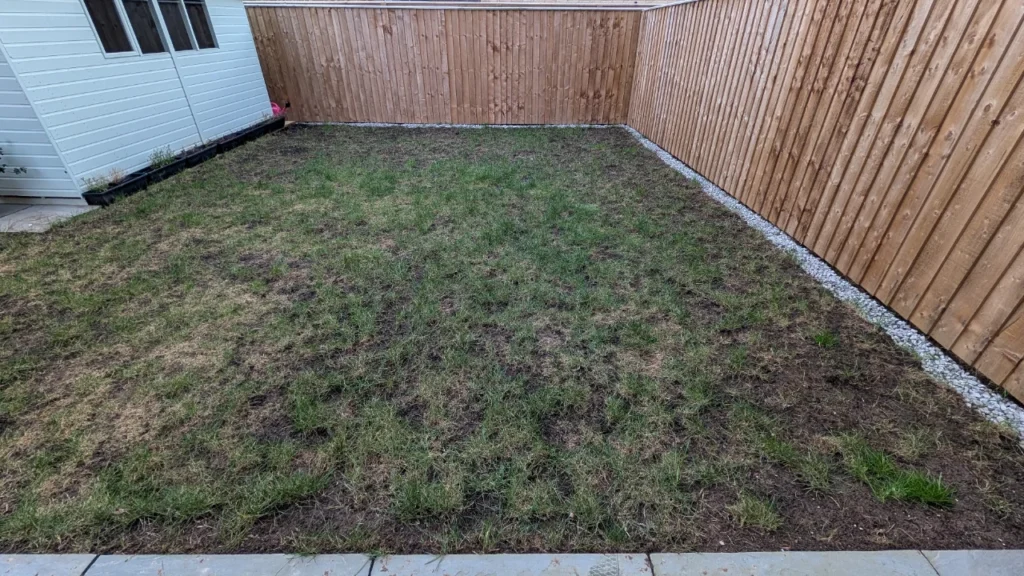

Spring arrives in Omaha. You walk outside excited to see your lawn. Instead of lush green grass, you see brown patches, bare spots, and thin areas. Winter was harsh. Your lawn took a beating.
Patchy grass after winter is common in Omaha. Freezing temperatures, snow mold, and vole damage all take their toll. The good news is that most lawns recover with the right spring care. This guide explains how to fix patchy grass and get your lawn back to healthy.
What Causes Winter Damage in Omaha
Snow Mold
Snow mold appears as circular patches of dead grass when snow melts. The patches may be gray or pink. Snow mold develops under snow cover that lasts for months. It is common in Omaha after snowy winters.
Vole Damage
Voles create surface runways under snow. They eat grass blades and leave trails. Vole damage looks like narrow paths of dead grass. The paths often lead to shrubs or trees where voles hide.
Winter Desiccation
Dry winter winds dry out grass blades. The grass turns brown and dies. Desiccation is worse on south and west facing slopes. It also affects areas with poor fall watering.
Ice Damage
Ice sheets that sit for weeks can suffocate grass. The ice blocks oxygen from reaching the grass. Low spots where water collects are most vulnerable. Ice damage leaves bare soil.
For homeowners dealing with winter damage, consistent Lawn Mowing in Omaha, NE from Kanger Lawns helps your lawn recover faster through proper spring care.
Assessing the Damage
Rake Away Dead Material
Take a garden rake and rake the damaged areas. Pull out dead grass, leaves, and debris. Live grass will resist raking. Dead material comes out easily. This reveals the true extent of the damage.
Look for Green at the Base
After raking, look closely at the remaining grass. Is there green at the soil level? If yes, the grass will recover without reseeding. If only brown remains, those spots need new seed.
Check for Grubs
Pull up a section of damaged turf. If it lifts easily like carpet, grubs may be present. Grubs eat grass roots. Winter damage combined with grubs means you need grub control before reseeding.
Fixing Minor Damage
Rake and Water
For minor thin areas, raking may be enough. Rake vigorously to loosen soil. Water deeply. The surrounding grass will spread into thin areas. No seeding needed. Recovery takes two to four weeks.
Fertilize for Recovery
Apply a spring fertilizer with slow-release nitrogen. Proper feeding encourages grass to fill in thin spots. Do not use high-nitrogen quick-release fertilizers. They burn recovering grass.
Mow at Proper Height
Mow at 3 inches for spring recovery. Do not cut short. Taller grass produces more energy for root growth. It also shades the soil and retains moisture. Raise mower height for damaged areas.
Fixing Major Damage with Seeding
Prepare the Bare Spots
Remove all dead grass and debris from bare spots. Loosen the top half inch of soil. Use a hand rake or cultivator. The seeds need good soil contact to germinate.
Choose the Right Seed
Use a grass seed blend for Omaha lawns. Kentucky bluegrass and tall fescue mixes work well. Match the seed to your existing grass. If unsure, use a general purpose Omaha blend.
Spread and Cover
Spread seed evenly over the bare spots. Lightly rake to cover seeds with soil. Add a thin layer of straw or peat moss. This holds moisture and protects from birds. Water daily for two weeks.
Water Consistently
New grass seed needs constant moisture. Water lightly twice per day for the first two weeks. Morning and late afternoon are best. Reduce to once per day after germination. Transition to normal watering after four weeks.
Fixing Specific Winter Problems
Snow Mold Recovery
Rake snow mold patches vigorously. This improves air circulation. Apply a light spring fertilizer. The grass usually recovers on its own. Do not apply fungicide unless the problem is severe.
Vole Damage Recovery
Rake vole runways to remove dead grass. The remaining roots often recover. If the grass does not recover in two weeks, reseed the runways. Prevent future voles by keeping grass short before winter.
Desiccation Recovery
Water desiccated areas deeply. Apply a spring fertilizer. Most desiccated grass recovers within three to four weeks. If not, reseed those areas. Prevent desiccation next fall with proper fall watering.
When to Call a Professional
Large Areas of Damage
If more than 30 percent of your lawn is damaged, consider professional help. Large areas need significant time and materials. Professionals have the equipment and experience for large repairs.
Persistent Problems
If you have fixed the same spots multiple years in a row, something else is wrong. Soil problems, drainage issues, or pests may be the cause. A professional can diagnose the underlying problem.
Time Constraints
Spring is busy. Between cleanup, seeding, and regular lawn care, time runs short. Professional services handle everything. Your lawn recovers while you focus on other priorities.
Conclusion
Patchy grass after winter is normal in Omaha. Snow mold, voles, desiccation, and ice all cause damage. Most lawns recover with proper spring care.
Start by raking away dead material. Assess whether the grass will recover or if reseeding is needed. For minor damage, rake, water, fertilize, and mow at proper height. For major damage, prepare bare spots, seed, cover, and water consistently.
Fix specific problems appropriately. Snow mold needs raking. Vole damage may recover on its own. Desiccation needs deep watering. Address underlying issues to prevent repeat damage next winter.
Large areas of damage or persistent problems may need professional help. The goal is a healthy, green lawn by late spring.
For homeowners who want professional spring lawn recovery, Kanger Lawns provides cleanup, seeding, and ongoing mowing services. Their team gets your lawn back to healthy after even the harshest Omaha winter.
