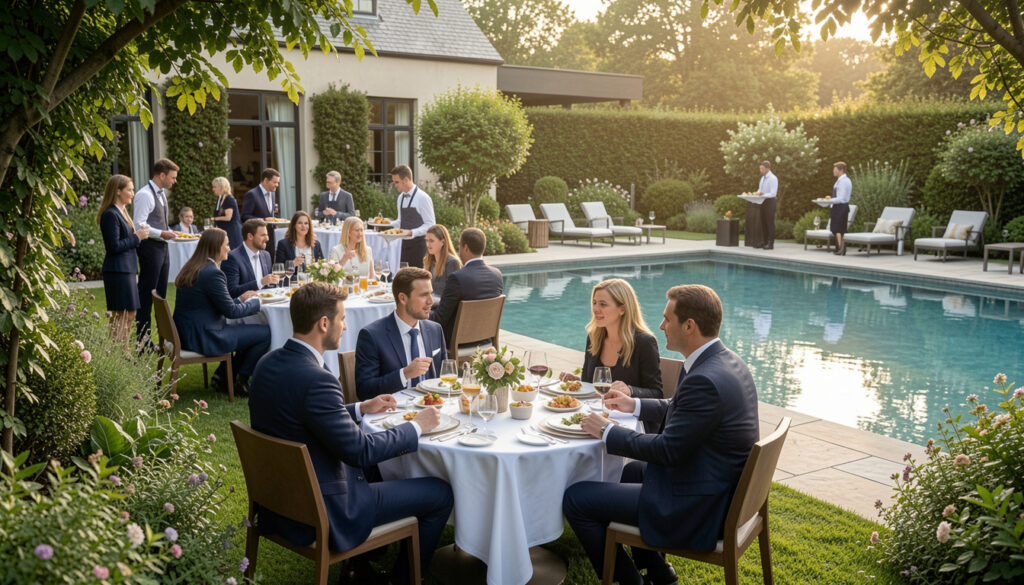

Planning a successful business function often starts with one crucial decision. The venue. A corporate event venue shapes how people interact, focus, and remember the event. Meetings, conferences, seminars, and leadership retreats all demand a space that supports professionalism, comfort, and smooth execution. Choosing the wrong location can distract attendees and disrupt goals, while the right one strengthens engagement and outcomes.
This guide explains how businesses can evaluate and select a corporate event venue that supports productive gatherings, clear communication, and a positive professional image.
Why the Venue Matters More Than the Agenda
A strong agenda sets direction, but the environment determines how well it is received. Attendees notice lighting, seating comfort, sound clarity, temperature, and accessibility within minutes of arrival. These elements influence attention, participation, and energy levels.
A well-planned corporate event venue removes friction. It allows speakers to communicate clearly, participants to collaborate comfortably, and organizers to manage logistics without stress. The venue becomes a silent partner that supports every goal of the event.
Understanding the Purpose of Your Business Function
Before selecting a venue, organizers must be clear about the type of event they are hosting.
Meetings and Strategy Sessions
Smaller meetings require privacy, quiet surroundings, and seating that encourages discussion. Boardroom-style setups tend to be the most effective, especially when paired with large display screens and a reliable internet connection.
Conferences and Seminars
Larger events require good sightlines, robust audio systems, and roomy rooms. Attendees should feel connected to the speaker even from the back of the room.
Corporate Retreats and Training Events
These events benefit from venues that balance focus with comfort. Places designed for small group meetings, casual talks, and rest areas keep teams active, focused, and comfortable during long events.
Location and Accessibility as a Core Requirement
Accessibility directly affects attendance and punctuality. A venue that is difficult to reach can reduce participation and increase stress.
Ease of Travel
Venues near main roads or business districts simplify logistics. Clear directions, parking facilities, and drop-off points contribute to a smooth arrival experience.
Regional Relevance
Many organizations prefer a corporate event venue in karachi because it offers strong connectivity, diverse facilities, and proximity to major commercial hubs. This allows local and visiting professionals to attend without unnecessary travel complications.
Evaluating Space, Layout, and Flexibility
Space planning is central to event success. The venue must support the event format and allow smooth movement.
Seating Comfort and Arrangement
Comfortable seating encourages longer attention spans. Flexible layouts allow organizers to adjust seating styles based on session needs, from presentations to group discussions.
Breakout Areas
Breakout rooms allow focused group work and private conversations. These spaces are essential for workshops, leadership training, and problem-solving sessions.
Technology and Connectivity Standards
Modern business events rely heavily on technology. Even a single technical issue can disrupt momentum.
Audio and Visual Quality
Clear microphones, large screens, and proper lighting ensure that every message is delivered effectively. Poor sound quality can undermine even the strongest presentation.
Internet and Technical Support
High-speed internet supports live demos, virtual speakers, and real-time collaboration. On-site technical staff help resolve issues quickly, preventing delays.
Comfort, Atmosphere, and Professional Ambience
The atmosphere of a venue influences how attendees feel throughout the event.
Climate Control and Lighting
Consistent temperature and balanced lighting reduce fatigue. Natural light, when available, creates a more welcoming and alert environment.
Cleanliness and Design
Well-maintained interiors reflect professionalism. Clean spaces, organized layouts, and neutral design elements help attendees focus without distraction.
Food, Refreshments, and Energy Levels
Business functions often span several hours or full days. Proper refreshments support productivity.
Catering Options
Energy levels are maintained via light meals, tea breaks, and refreshments. Timely service ensures sessions stay on schedule without interruptions.
Dietary Awareness
Venues that provide accommodations for various dietary requirements demonstrate attention to detail and foster a more inclusive experience.
Staff Support and Event Coordination
Behind every successful business function is a responsive support team.
Event Management Assistance
Trained staff assist with setup, registration, and transitions between sessions. Their presence allows organizers to focus on content and engagement.
Professional Conduct
Polite, discreet, and efficient staff contribute to a calm and organized atmosphere. Their professionalism reflects directly on the hosting organization.
Safety, Security, and Reliability
Professional events require environments that feel safe and well-managed.
Safety Measures
Emergency exits, fire safety systems, and basic medical support are essential. These features protect attendees and build trust.
Consistent Power and Backup Systems
Uninterrupted power supply supports presentations, lighting, and technology. Reliable venues plan for contingencies to avoid disruptions.
Balancing Budget With Long-Term Value
Cost matters, but value matters more. A lower-priced venue that lacks essentials can result in higher hidden costs and reputational risk.
Many companies evaluate Best Resorts in Karachi for business functions because these locations often combine professional facilities with comfort, reducing the need for external arrangements. The goal is not to overspend, but to choose a venue that supports success without compromise.
Real-World Example of Smart Venue Selection
A mid-sized technology firm hosting a leadership workshop selected a resort-style venue rather than a traditional conference hall. The setting offered structured meeting spaces during the day and relaxed networking areas in the evening. Attendance remained high, engagement improved, and post-event feedback highlighted comfort and focus as key positives. The venue choice directly influenced the event’s outcome.
Final Thoughts: Making the Right Choice for Business Success
Choosing the right corporate event venue is a strategic decision, not a logistical task. The venue shapes how ideas are shared, how teams connect, and how an organization is perceived. Location, space, technology, comfort, staff support, and safety all work together to create a successful business function.
Organizations that evaluate venues thoughtfully experience smoother events, stronger participation, and better results. When the environment supports the purpose, business gatherings become more productive, professional, and memorable.
Visit for new updates at bloggingarena.com