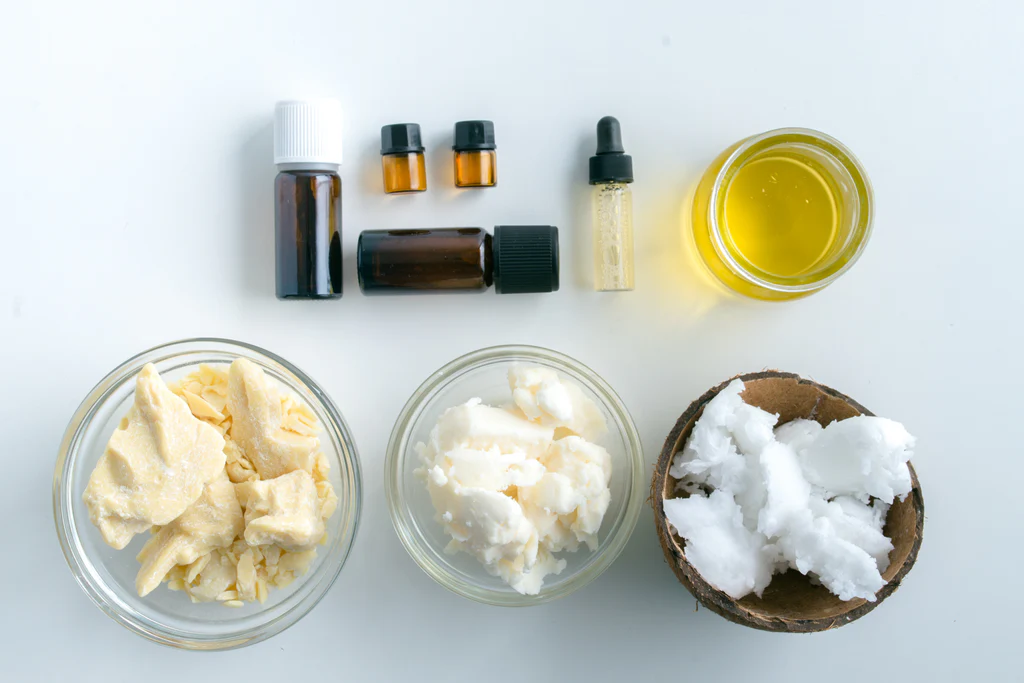

Healthy skin requires consistent care and the right moisturizing routine. Organic body butter is popular due to its rich, natural ingredients that nourish and protect the skin barrier. Proper application can maintain softness and hydration without causing heaviness. Understanding how often to use it helps maximize results while avoiding waste. Integrating it strategically into a daily skincare routine ensures skin stays smooth, hydrated, and resilient throughout changing seasons and environmental conditions.
What Body Butter Does
Body butter is thicker and more concentrated than traditional lotions. It forms a protective layer that locks in moisture and prevents dryness. Its rich texture allows deep absorption, especially after bathing or exfoliation. Regular use improves elasticity, reduces rough patches, and enhances overall skin softness. Because it is dense, overuse can feel heavy. Strategic application ensures benefits reach the deeper layers of the skin without unnecessary buildup or greasy residue.
How Skin Type Affects Application Frequency
Skin type determines the ideal frequency of body butter use. Dry skin may require multiple daily applications, while oily or combination skin often needs lighter use. Sensitive skin benefits from gentle, fragrance-free formulas. Observing skin response guides adjustments, ensuring comfort without heaviness. Seasonal changes also influence needs; winter may require more frequent applications due to moisture loss, while summer often demands less. Customizing the routine according to skin type ensures hydration and prevents irritation.
Best Times to Apply Body Butter
Timing is key for effective results. Applying body butter on slightly damp skin after a shower or bath locks in moisture more efficiently. Nighttime application is also ideal, supporting the skin’s natural repair cycle during sleep. Morning use protects against environmental stressors. Targeting these specific times ensures longer-lasting hydration, smoother texture, and enhanced softness, making each application more effective and noticeable.
Recommended Frequency for Daily Care
For most people, once or twice daily is sufficient. Morning application shields the skin from external elements, while evening use restores moisture lost throughout the day. Over-application can create a greasy feel and discomfort. Observing how skin reacts helps fine-tune the routine. Adjustments based on seasonal variations, activity levels, or environmental factors maintain optimal hydration without excessive use, ensuring that the skin remains balanced and comfortable at all times.
Key Signs Your Skin Needs More Application
- Dry, flaky patches on arms, legs, or elbows
- Tightness or discomfort after washing
- Rough texture unrelieved by lighter moisturizers
- Lack of natural glow or dull appearance
- Increased sensitivity or irritation
Recognizing these signals allows timely adjustments. Applying body butter to areas showing signs of dryness ensures skin stays hydrated and soft without wasting product on areas that require less attention.
Seasonal Changes and Their Impact
Skin needs change with the seasons. Cold weather and low indoor humidity cause faster moisture loss, often requiring more frequent body butter application. Warmer months may reduce the need due to natural humidity supporting hydration. Adapting your routine seasonally ensures consistent softness and prevents dryness or discomfort. Keeping track of how skin reacts during different conditions helps maintain an effective, personalized skincare plan.
Targeting Specific Areas for Better Results
Certain areas dry faster, including elbows, knees, heels, and hands. Applying body butter to these zones more often prevents cracking and roughness. Focusing on high-need areas allows for efficient use without overloading the skin elsewhere. Concentrated attention on problem spots enhances smoothness and ensures noticeable improvement where it matters most, maximizing the benefits of each application.
Combining Body Butter With Other Skincare Steps
Exfoliation once or twice weekly removes dead skin, improving absorption. Gentle cleansers preserve natural oils, preventing dryness. Layering body butter over lighter moisturizers offers additional hydration for extremely dry skin. Combining these steps enhances overall results, keeping skin healthy, resilient, and soft. A complete routine ensures that body butter delivers maximum nourishment rather than simply sitting on the surface.
Common Mistakes to Avoid
Applying excessive amounts can leave a greasy residue. Skipping post-bath application limits benefits. Using body butter on fully dry skin reduces absorption. Ignoring problem areas also limits results. Avoiding these mistakes ensures consistent hydration, maintains skin texture, and prevents irritation. Following proper application techniques and mindful timing allows the skin to receive optimal care while minimizing discomfort or overuse.
How to Build a Consistent Routine
Consistency makes body butter more effective. Keeping it accessible, such as near the sink or bedside, encourages regular use. Starting with once daily and adjusting based on skin response allows a personalized routine. Integrating application into morning and evening rituals helps form a habit. Over time, regular use becomes effortless, promoting smoother, softer, and healthier skin that responds well to consistent care.
Conclusion:
Optimal results depend on understanding your skin’s needs and applying body butter appropriately. Moderate, consistent use maintains hydration without creating heaviness. Observing skin changes and adjusting frequency ensures comfort and balance. Following the tips outlined provides soft, nourished, and resilient skin while making body butter a practical and effective part of any skincare routine.
FAQs
How often should dry skin use body butter?
Twice daily is ideal for very dry skin. Apply after bathing and before bedtime for maximum hydration.
Can oily skin benefit from body butter?
Yes, using a lighter layer on dry areas prevents heaviness and ensures hydration without clogging pores.
Why apply body butter at night?
Nighttime use supports skin repair, improves absorption, and helps restore moisture lost during the day.
Should body butter be applied to damp skin?
Slightly damp skin locks in moisture more effectively, enhancing absorption and softening texture.
Does seasonal change affect application frequency?
Cold weather may require more frequent use due to moisture loss, while warmer months need lighter application.