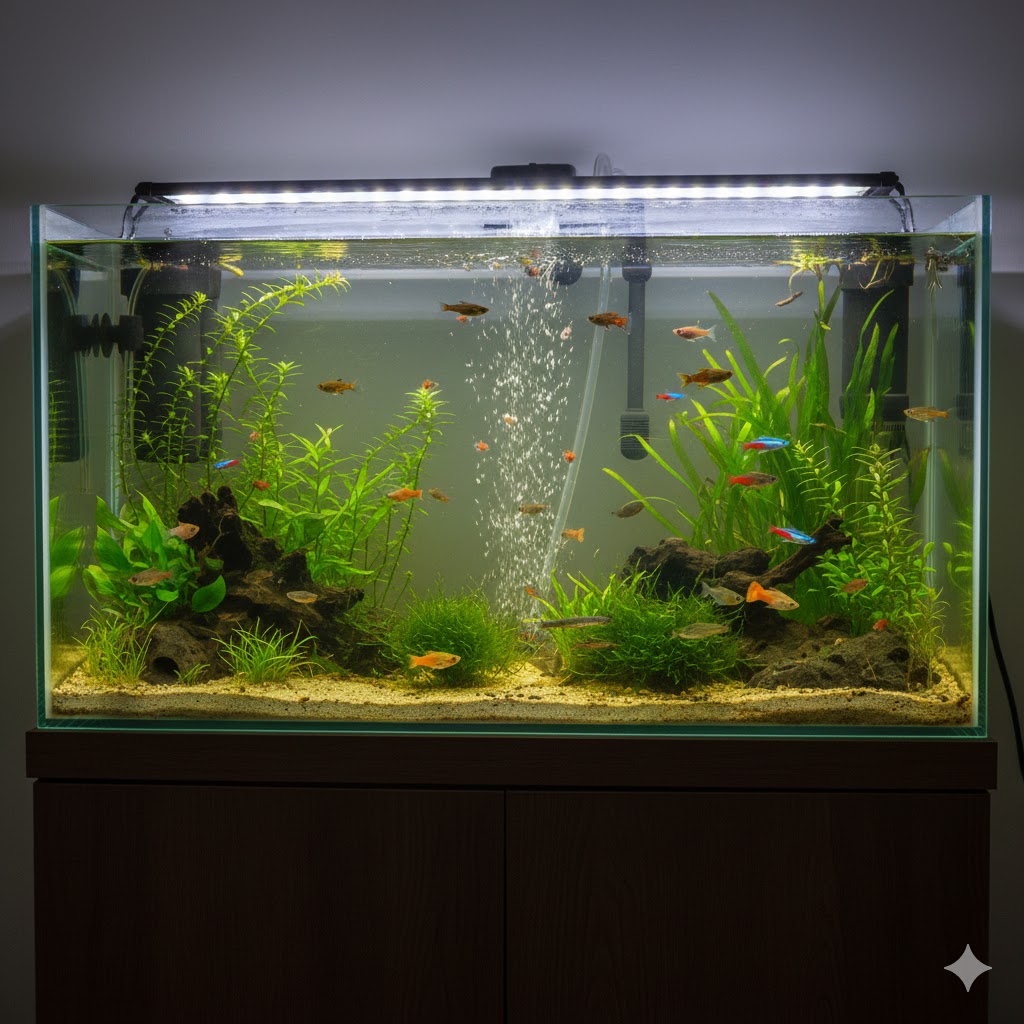

One of the most common questions aquarium owners ask is: How long should an aquarium pump run every day? If you’ve recently installed a fish Aquarium pump or upgraded to what you believe is the best Aquarium pump for your setup, you might wonder whether it should run continuously or only at certain times.
The short answer is simple: in most cases, your fish Aquarium pump should run 24 hours a day, 7 days a week. But there’s more to understand. The type of tank, fish species, pump design, and filtration system all influence how your pump should operate.
In this complete guide, we’ll explain why continuous pump operation matters, when exceptions apply, how to choose the best Aquarium pump, and how modern pump technology is evolving. We’ll also discuss why buying from trusted Pet Supplies Online retailers ensures you select the right equipment for long-term stability.
Why Aquarium Pumps Are Essential
A fish Aquarium pump plays several critical roles:
- Circulates water
- Supports filtration
- Distributes oxygen
- Prevents stagnant zones
- Maintains consistent temperature
Without proper circulation, oxygen levels drop, and waste accumulates, leading to stress and disease.
Should a Fish Aquarium Pump Run 24/7?
For most freshwater and saltwater aquariums, the answer is yes.
Why Continuous Operation Matters
- Oxygen Supply: Fish rely on dissolved oxygen.
- Biological Filtration: Beneficial bacteria need moving water.
- Temperature Stability: Prevents hot or cold spots.
- Waste Removal: Keeps debris from settling.
Turning off a fish Aquarium pump for extended periods can quickly disrupt water chemistry.
What Happens If You Turn Off the Pump?
If your pump is turned off for too long:
- Oxygen levels decline
- Ammonia builds up
- Beneficial bacteria suffocate
- Fish may gasp at the surface
In heavily stocked tanks, problems can appear within hours.
Situations Where Temporary Shutdown Is Acceptable
There are rare times when you can safely turn off your pump briefly:
- During tank cleaning
- Feeding very fine food
- Performing filter maintenance
- Short power interruptions
Keep shutdowns under 30–60 minutes whenever possible.
How Tank Type Affects Pump Runtime
| Tank Type | Recommended Pump Runtime | Notes |
| Tropical freshwater | 24/7 | Essential for oxygen |
| Saltwater reef | 24/7 | Critical for coral health |
| Planted tank | 24/7 | Supports CO₂ balance |
| Breeding tank | 24/7 (gentle flow) | Avoid strong currents |
| Cold-water tank | 24/7 | Ensures waste circulation |
In nearly all cases, continuous operation is best.
Is It Safe to Turn Off Pumps at Night?
Many beginners assume fish “sleep” at night and pumps can be turned off.
However:
- Fish still need oxygen
- Bacteria still process waste
- Circulation prevents stagnation
Unlike lights, pumps should not follow a day-night cycle.
Choosing the Best Aquarium Pump for Continuous Use
Since pumps run constantly, choosing the best Aquarium pump is crucial.
Look for:
- Energy efficiency
- Quiet motor operation
- Adjustable flow settings
- Durable impeller
- Proper tank size rating
Cheap pumps may overheat or fail under continuous use.
Energy Costs of Running a Pump 24/7
Many hobbyists worry about electricity costs.
Modern fish Aquarium pump models are designed to be energy-efficient. Most small-to-medium pumps consume less electricity than other appliances.
Investing in the best Aquarium pump reduces long-term operating costs.
How to Calculate Proper Flow Rate
Flow rate is measured in gallons per hour (GPH).
General guideline:
- Pump should circulate tank water 4–6 times per hour (freshwater)
- 8–10 times per hour (saltwater reef tanks)
Example:
If you have a 50-gallon tank:
You need at least a 200–300 GPH pump.
Signs Your Pump Is Not Running Properly
Watch for:
- Reduced water flow
- Unusual noise
- Overheating
- Vibrations
Routine maintenance keeps your fish Aquarium pump operating efficiently.
Upcoming Trends in Aquarium Pump Technology (2026 & Beyond)
Aquarium pumps are becoming smarter and more efficient.
1. Smart App-Controlled Pumps
- Adjustable flow via smartphone
- Monitoring alerts
2. Ultra-Quiet Brushless Motors
- Near-silent operation
- Reduced vibration
3. Eco-Friendly Energy Designs
- Lower wattage
- Reduced carbon footprint
4. Integrated Flow Monitoring
- Detect blockages
- Maintain optimal performance
5. Hybrid Pump-Filter Systems
- Compact and efficient
- Space-saving design
Technology now supports continuous operation safely and efficiently.
Maintenance Schedule for a Fish Aquarium Pump
| Task | Frequency |
| Inspect flow rate | Weekly |
| Clean intake screen | Bi-weekly |
| Clean impeller | Monthly |
| Full inspection | Quarterly |
Regular maintenance ensures uninterrupted performance.
Buying the Best Aquarium Pump from Pet Supplies Online
Shopping through trusted Pet Supplies Online stores offers:
- Wide pump selection
- Verified reviews
- Detailed flow specifications
- Warranty information
- Competitive pricing
Reliable retailers help you choose the best Aquarium pump suited to your tank size and fish type.
Common Mistakes to Avoid
Avoid:
- Turning the pump off nightly
- Choosing undersized pumps
- Ignoring the cleaning schedule
- Blocking intake vents
- Using pumps not rated for tank size
Consistency equals stability.
What If There’s a Power Outage?
Short outages are usually safe.
If power loss exceeds 1–2 hours:
- Increase manual surface agitation
- Monitor fish closely
- Restart the pump immediately when possible
Backup battery systems are increasingly popular for emergencies.
Final Thoughts: Keep It Running
In nearly all cases, your fish Aquarium pump should run continuously. It supports oxygenation, filtration, and water stability, three pillars of fish health.
Choosing the best Aquarium pump and purchasing from reliable Pet Supplies Online retailers ensures durability and energy efficiency. With proper maintenance and modern technology, continuous pump operation is both safe and cost-effective.
Stable water equals healthy fish, and your pump is the engine that keeps it that way.
Frequently Asked Questions (FAQs)
1. Should I turn off my fish Aquarium pump at night?
No. Pumps should run 24/7 to maintain oxygen and filtration.
2. Can running a pump constantly harm fish?
No, as long as the flow rate is appropriate for the species.
3. How do I know if I have the best Aquarium pump for my tank?
Check tank size compatibility, flow rate, and reviews before purchasing.
4. Does turning off the pump save electricity?
Savings are minimal and not worth risking water quality.
5. Where can I buy a reliable fish Aquarium pump?
You can find high-quality options from trusted Pet Supplies Online retailers.
Read More:- The Best Aquarium Medications for Fin Rot, Fungus, and Velvet