
Dubai has become one of the leading financial hubs in the Middle East, attracting traders from across the globe. With a large Muslim population in the region, many forex brokers in dubai offer Islamic trading accounts designed to comply with Shariah principles. These accounts make it possible for Muslim traders to participate in the foreign exchange market without compromising their religious beliefs.
But how exactly do these accounts work, and how do brokers structure them to stay compliant while still offering competitive trading conditions? Let’s break it down in simple, practical terms.
Understanding Islamic Trading Accounts
In conventional forex trading, when a trader holds a position overnight, they either earn or pay what is known as a swap or rollover fee. This fee is based on the interest rate difference between the two currencies in a pair. Since charging or earning interest (riba) is prohibited in Islam, this creates a conflict for Muslim traders.
To address this concern, many forex brokers in Dubai offer what are commonly known as “swap-free” or Islamic trading accounts. These specialized accounts are structured to eliminate overnight interest charges, also referred to as swaps or rollover fees, which are typically applied when positions are held open beyond the trading day. Since charging or paying interest conflicts with Islamic finance principles, removing these fees ensures that trading activities remain Shariah-compliant.
Instead of earning or paying interest, traders may encounter alternative fee structures that are transparent and fixed, depending on the broker’s policy. The goal is to maintain fairness while preserving full access to the forex market. By removing overnight interest entirely, these accounts allow traders to hold positions for longer periods without the concern of violating religious guidelines. This structure makes it possible for individuals to participate confidently in global currency markets while staying aligned with their ethical and faith-based financial values.
How Brokers Replace Swap Fees
Of course, brokers still need to cover their operational costs. So instead of charging swap fees, they may apply alternative structures that do not involve interest. These can include:
- A fixed administrative fee
- Slightly wider spreads
- A flat commission after a certain holding period
The key difference is that these charges are not tied to interest rate differentials. Instead, they are structured as service fees, which makes them permissible under many interpretations of Islamic finance.
This approach allows traders to focus on strategy, analysis, and risk management rather than worrying about rollover interest.
Access to Full Trading Features
One common misconception is that Islamic accounts are limited in functionality. In reality, traders using Islamic accounts typically have access to the same trading platforms and tools as standard account holders.
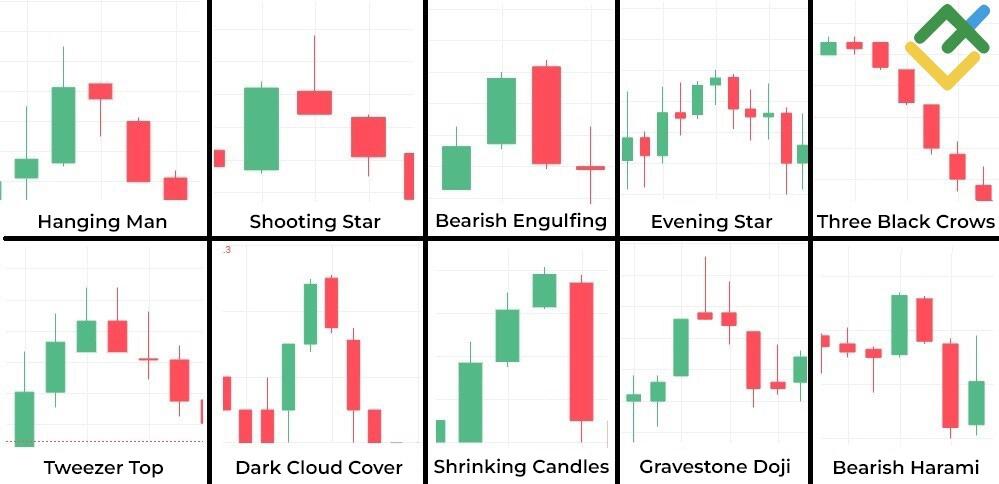
That means they can still analyze the market using technical indicators, oscillators, moving averages, and of course, candlestick patterns. Tools such as hammer patterns, engulfing candles, and doji formations remain central to price action strategies. Whether a trader is using short-term scalping methods or long-term swing trading approaches, Islamic accounts do not restrict access to essential charting tools.
For many traders, the ability to use candlestick patterns effectively is a major part of their decision-making process. Dubai-based brokers understand this and ensure Islamic accounts provide the same analytical depth as conventional accounts.
Regulation and Transparency
Another reason Islamic accounts are widely available in Dubai is the city’s strong regulatory environment. Many forex brokers in dubai operate under oversight from recognized financial authorities. This helps ensure transparency in how Islamic accounts are structured.
Clear communication is especially important with swap-free accounts. Traders should always review the broker’s terms and conditions to understand how fees are applied, whether there are holding limits, and how commissions are calculated. Reputable brokers typically explain these details upfront.
Some brokers even consult with Shariah advisors to ensure their account structures align with Islamic finance guidelines. This adds another layer of reassurance for traders who want full compliance.
Why Islamic Accounts Are in High Demand
The demand for Islamic trading accounts continues to grow, not only in Dubai but across global markets. Many traders in the UAE and neighboring countries prefer financial products that align with their beliefs. By offering swap-free accounts, brokers make forex trading accessible to a broader audience.
Dubai’s international business environment also attracts expatriates from various Muslim-majority countries. As a result, brokers compete by offering flexible account types, competitive spreads, and reliable execution, all within a Shariah-compliant framework.
Things Traders Should Consider
While Islamic accounts remove swap fees, traders should still evaluate other important factors before choosing a broker:
- Execution speed and reliability
- Spread competitiveness
- Platform stability
- Customer support quality
- Fee transparency
Not all Islamic accounts are structured exactly the same way. Some may apply administrative charges after a specific number of days. Others may restrict certain strategies if they are seen as exploiting the swap-free feature. Reading the fine print is always essential.
Balancing Faith and Financial Opportunity
Dubai’s forex market demonstrates how financial innovation can align with cultural and religious values. By removing interest-based charges and restructuring fee models, forex brokers in dubai make it possible for Muslim traders to participate in global currency markets confidently.
At the same time, traders retain access to advanced analysis tools, including detailed charting systems and widely used candlestick patterns, ensuring they can compete effectively in fast-moving markets.
Final Thoughts
Islamic trading accounts are not a simplified or stripped-down version of standard forex accounts. Rather, they are thoughtfully designed alternatives that remove interest-based elements while maintaining the full functionality and flexibility of conventional trading platforms. The key distinction lies in the elimination of swap or rollover interest, which is replaced with structures that comply with Shariah principles. In leading financial hubs such as Dubai, brokers have significantly refined these accounts to meet rising global demand. They combine strong regulatory oversight, competitive spreads, advanced trading technology, and transparent fee models with strict adherence to Islamic financial guidelines.
For traders who seek to align their financial activities with their religious convictions, Islamic accounts offer a practical and accessible pathway into the forex market. These accounts allow participation in currency trading without engaging in riba (interest), ensuring that faith-based values remain intact. With the right broker, traders can analyze market trends, apply technical and fundamental strategies, manage risk effectively, and pursue long-term financial objectives. Ultimately, Islamic trading accounts demonstrate that ethical alignment and professional market participation can coexist without compromise.