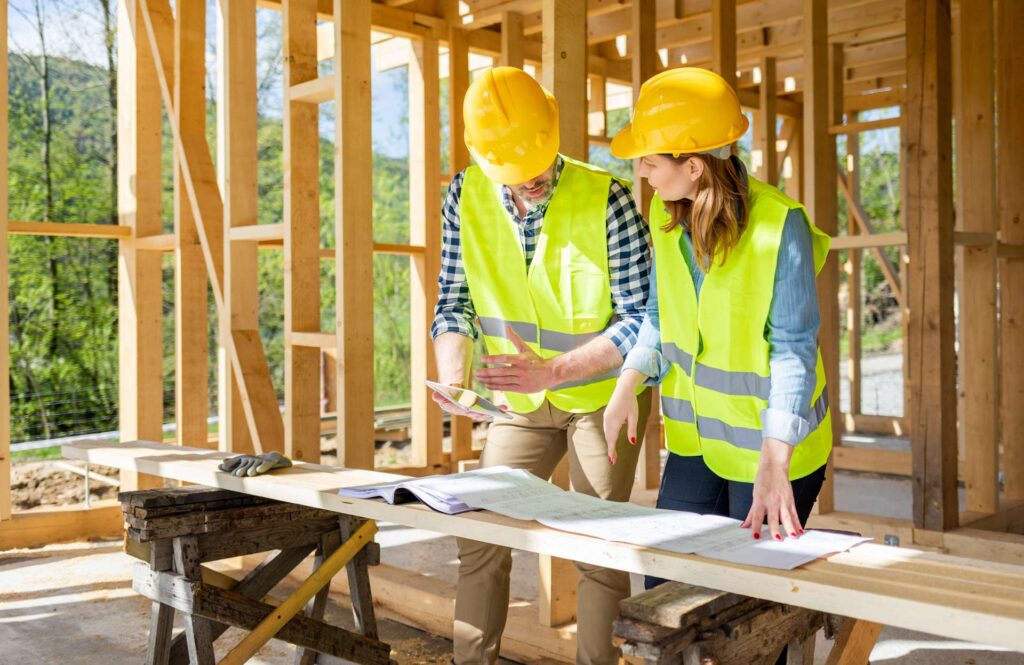

General Contracting plays a critical role in ensuring that a home’s exterior remains strong and durable for years. Every choice, from material selection to installation technique, influences the home’s ability to withstand environmental stress. Engaging professional Residential General Contracting services provides expertise in evaluating climate conditions, structural needs, and aesthetics. Proper contracting reduces long-term maintenance costs and prevents early deterioration. Homeowners who prioritize experienced contractors gain exteriors that resist moisture, UV damage, and daily wear. This ensures both structural integrity and curb appeal for the property.
Selecting the Right Materials for Exterior Durability
A contractor’s guidance in material selection determines how well a home exterior endures over time. Options such as fiber cement siding, treated wood, and high-quality roofing withstand moisture, pests, and harsh weather conditions. Exterior paints and sealants with UV protection prevent cracking, peeling, and fading. Contractors recommend materials suited to the local climate while balancing durability with aesthetic goals. Thoughtful material choices directly influence maintenance requirements, ensuring that the exterior remains attractive and functional for decades. Proper selection at the contracting stage is an investment in long-term resilience.
Proper Installation Techniques That Extend Lifespan
Even premium materials fail without accurate installation. Contractors ensure that siding, roofing, and masonry are installed with precise alignment, ventilation, and sealing to prevent water infiltration and warping. Roofing shingles are placed for maximum waterproofing, while siding is fitted to allow airflow, reducing moisture buildup. Stucco and masonry work require attention to prevent cracks and water damage. Skilled installation guarantees that all exterior components function together effectively. By adhering to strict installation standards, contractors protect the home from premature wear, structural damage, and costly repairs while maintaining aesthetic appeal.
Maintenance Planning and Preventive Care
Durable exteriors require proactive maintenance. Contractors create maintenance plans that include inspections, cleaning, and small repairs to prevent escalation. They recommend protective coatings for wood, brick, and metal surfaces and advise on seasonal roof checks and gutter cleaning. Preventive maintenance reduces the risk of moisture damage, mold, and structural deterioration. Planning care during the contracting process ensures homeowners understand how to preserve the exterior’s longevity. Consistent upkeep guided by professionals keeps exteriors looking new, maintains structural integrity, and extends the life of materials while minimizing costly repairs over time.
Contractor Expertise and Quality Assurance
The skill and experience of a contractor directly affect exterior durability. Licensed contractors follow building codes and safety standards, ensuring the work is compliant and long-lasting. Experienced professionals conduct quality assurance inspections to catch errors before they become significant issues. Their knowledge of local climate, soil conditions, and material performance allows them to anticipate potential challenges. Contractors also coordinate skilled labor and proper techniques, maintaining timelines without sacrificing quality. Homeowners gain peace of mind knowing that their home exterior is constructed by professionals who prioritize durability, safety, and performance.
Key Contracting Practices That Improve Exterior Durability
Certain contractor practices ensure long-lasting home exteriors. Detailed project planning and risk assessment identify potential challenges. Accurate budgeting ensures high-quality materials are used. Certified labor performs specialized tasks, while advanced tools enable precision. Ongoing supervision and inspections verify correct installation and adherence to standards. Contractors also provide guidance for preventive maintenance, weatherproofing, and coating applications. By following these practices, every exterior element—from foundation to roofing—works together to resist environmental stress, reducing future repairs and ensuring the home maintains both structural integrity and visual appeal.
Impact of Contractor Selection on Cost Efficiency
Choosing a qualified contractor affects durability and long-term expenses. Poor workmanship often leads to premature damage and frequent repairs. A skilled contractor balances material quality with precise installation, optimizing costs over the home’s life. Contractors provide transparency regarding warranties, installation methods, and material performance, allowing homeowners to make informed decisions. Investing in reputable contracting services results in reduced maintenance costs, improved resale value, and a stronger, longer-lasting exterior. Prioritizing durability during contractor selection ensures both financial efficiency and the structural security of the home.
Weather and Environmental Considerations
Contractors evaluate environmental factors such as climate, precipitation, wind, and temperature extremes when planning exterior projects. Coastal homes may require corrosion-resistant materials, while snowy regions benefit from reinforced roofing and drainage solutions. Proper placement of flashing, barriers, and sealants prevents water intrusion and structural damage. Contractors also recommend materials suited to local UV exposure and moisture levels. Accounting for environmental conditions ensures that exterior components endure natural elements, reducing wear and tear. Homes constructed with these considerations maintain structural integrity and aesthetic appeal, standing strong against seasonal and long-term environmental challenges.
Conclusion
Professional contracting safeguards a home’s exterior against weathering, decay, and premature failure. From material selection and precise installation to preventive maintenance planning, contractors influence the durability and performance of all exterior elements. Homeowners who work with skilled residential general contractors benefit from reduced maintenance costs, extended material lifespan, and reliable protection against environmental stress. Proper contracting enhances both curb appeal and long-term investment value. Every decision made by a knowledgeable contractor contributes to a strong, lasting home exterior that performs efficiently for years.
FAQs
How does contracting affect exterior durability?
Contracting ensures proper material selection, expert installation, and preventive maintenance, directly impacting a home’s ability to resist weather and wear.
Which materials last longest for exteriors?
Fiber cement siding, treated wood, high-quality roofing, and UV-resistant paints improve longevity and reduce maintenance needs.
Why is professional installation critical?
Skilled installation prevents leaks, warping, and structural damage, ensuring that high-quality materials reach their full lifespan.
How can homeowners plan preventive care?
Contractors provide maintenance schedules, protective coatings, and seasonal inspections to prevent small issues from becoming costly repairs.
What role do environmental factors play in contracting?
Local weather and climate determine material choices, installation techniques, and protective measures to maximize exterior durability.