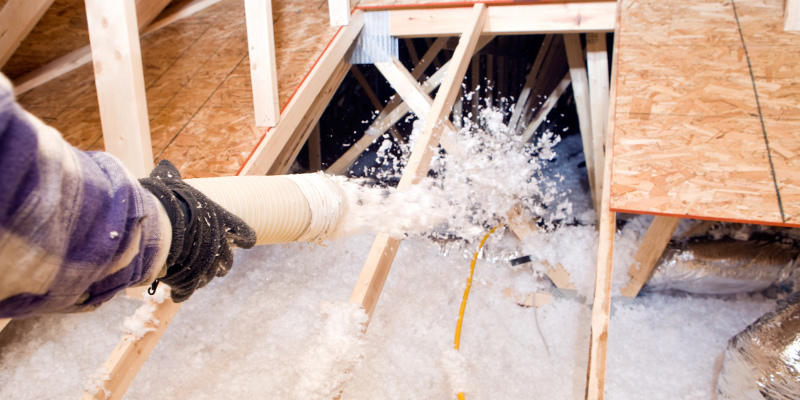

Mold and moisture problems are among the most common and destructive issues homeowners face. Left unchecked, they can damage the structural integrity of a home, lower indoor air quality, and lead to costly repairs. One of the most effective ways to prevent these issues is through proper attic insulation. Not only does insulation regulate temperature, but it also controls moisture levels, helping to create a safe, healthy, and energy-efficient home environment.
In this article, we’ll explore how attic insulation works to prevent mold and moisture problems, the benefits of professional installation, and practical tips for maintaining a dry, mold-free attic.
1. Understanding Mold and Moisture Issues in Attics
Attics are particularly prone to mold and moisture problems because they are often poorly ventilated and exposed to fluctuating temperatures. Moisture can enter an attic through:
- Leaks in the roof
- Improper ventilation
- Condensation from temperature differences
- Humid air rising from living spaces
When moisture accumulates, it creates the perfect environment for mold growth. Mold can spread quickly, damaging wooden structures, insulation, and even ceiling materials. Additionally, mold spores can circulate into living areas, affecting indoor air quality and causing health issues such as allergies, respiratory problems, and skin irritation.
Proper attic insulation helps address many of these root causes, significantly reducing the likelihood of mold and moisture damage.
2. How Attic Insulation Reduces Condensation
Condensation is a major factor in attic moisture problems. It occurs when warm, humid air from inside the home meets cold attic surfaces, causing water to form. Over time, this moisture can saturate wood, drywall, and insulation materials, leading to mold growth.
A well-insulated attic maintains a consistent temperature, preventing warm indoor air from cooling too quickly when it reaches the attic. This barrier effect reduces condensation, keeping surfaces dry and less prone to mold.
3. Temperature Regulation and Its Role in Moisture Prevention
Temperature fluctuations in an attic can create moisture issues even in well-constructed homes. In winter, heat escaping from living spaces can warm the attic roof, and when it meets the cold outside air, condensation occurs. During summer, extreme heat can trap humidity, creating a breeding ground for mold.
High-quality attic insulation acts as a thermal barrier. By stabilizing attic temperatures throughout the year, insulation minimizes the conditions that lead to condensation and mold growth. It also ensures that the living spaces below remain comfortable and energy-efficient.
4. Supporting Proper Attic Ventilation
While insulation is critical, it works best in combination with proper attic ventilation. Adequate airflow allows humid air to escape, while cooler air circulates in. This helps prevent moisture accumulation and reduces the risk of mold.
Insulation must be installed carefully to avoid blocking vents, which is a common mistake that can worsen moisture problems. Proper installation ensures that vents remain functional, supporting the natural ventilation of the attic.
5. Preventing Water Damage from Roof Leaks
Attic insulation alone cannot stop roof leaks, but it can reduce the damage caused by minor leaks. Insulation materials absorb less moisture and can prevent water from spreading quickly across wooden beams or ceilings. Additionally, certain insulation types, such as spray foam or closed-cell insulation, provide a secondary moisture barrier, further protecting the attic from potential leaks.
By combining proper insulation with routine roof maintenance, homeowners can significantly reduce the chances of mold and moisture problems caused by water intrusion.
6. The Importance of Professional Installation
Installing attic insulation might seem like a simple DIY project, but improper installation can create more problems than it solves. Gaps, uneven layers, and blocked vents can lead to trapped moisture, poor thermal performance, and accelerated mold growth.
Hiring an Attic Insulation Service Provider San Rafael CA ensures that the insulation is installed correctly. Professionals assess your attic’s specific needs, recommend the best type of insulation, and guarantee proper placement. They also ensure that ventilation pathways remain clear, maximizing both energy efficiency and moisture protection.
7. Choosing the Right Insulation Material
Different insulation materials offer varying levels of moisture resistance:
- Fiberglass: Affordable and widely used, but can absorb moisture if exposed. Needs a vapor barrier to prevent mold.
- Spray Foam: Excellent for sealing gaps, preventing air and moisture infiltration. Highly effective at preventing mold.
- Cellulose: Environmentally friendly but can be susceptible to moisture unless treated with mold-resistant chemicals.
A professional service provider can recommend the best option based on your attic’s design, climate, and ventilation. Using the right material is essential for long-term protection against mold and moisture.
8. Long-Term Benefits of Proper Attic Insulation
Investing in attic insulation offers multiple long-term advantages:
- Energy Efficiency – Insulation reduces heat loss in winter and heat gain in summer, lowering energy bills.
- Structural Protection – Prevents moisture from weakening wooden structures and roof components.
- Improved Indoor Air Quality – Reduces the spread of mold spores into living areas.
- Comfort – Keeps indoor temperatures stable, reducing drafts and cold spots.
- Peace of Mind – Professional installation ensures your attic remains dry, safe, and mold-free for years.
Regular inspection and maintenance by an Attic Insulation Service Provider San Rafael CA ensures these benefits last and any emerging issues are addressed promptly.
9. Maintenance Tips to Keep Your Attic Dry
Even the best insulation needs proper care:
- Inspect for signs of leaks or water stains on a regular basis.
- Ensure vents are unobstructed and airflow is adequate.
- Avoid storing items that can trap moisture in the attic.
- Maintain roof integrity to prevent water intrusion.
- Schedule periodic inspections with a professional service provider.
Following these practices helps maintain optimal moisture control and prevents mold from developing.
Conclusion
Mold and moisture are serious threats to any home, but proper attic insulation provides a strong line of defense. By reducing condensation, stabilizing temperatures, supporting ventilation, and mitigating the effects of leaks, insulation keeps your attic and home safe.
Hiring an experienced Attic Insulation Service Provider San Rafael CA guarantees professional installation, proper material selection, and long-term protection. With the right insulation in place, you can enjoy a healthier home, lower energy costs, and peace of mind knowing your attic is safe from mold and moisture problems.
Read Other: Email List Magic: Turn Silhouette Customers Into Repeat Buyers in 2026