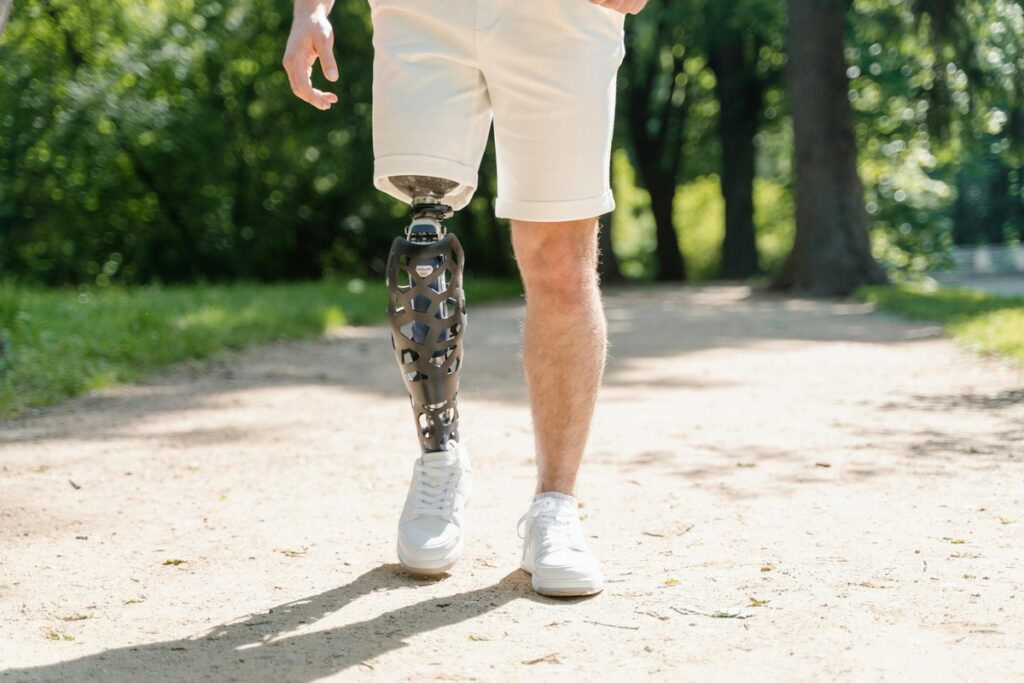

Personal injury litigation often depends on credible professional testimony that clearly explains the long-term effects of injuries on a person’s daily life and ability to work. An occupational therapist expert witness provides the court with specialized insight into how injuries impact functional abilities, independence, and future care requirements. Their testimony plays a decisive role in many Personal Injury Claims, helping legal teams present accurate assessments of damages, rehabilitation needs, and long-term support costs.
This article explores the essential role of an occupational therapist expert witness in legal proceedings and explains how their evaluations contribute to stronger, well-documented claims.
The Role of an Occupational Therapist Expert Witness in Personal Injury Claims
An occupational therapist expert witness is a licensed healthcare professional who offers independent opinions during litigation. Their primary responsibility is to evaluate how an injury affects a person’s capacity to perform everyday tasks, maintain employment, and live independently.
In Personal Injury Claims, courts often require objective evidence regarding the claimant’s functional limitations. Occupational therapists provide this evidence through clinical assessments, professional reports, and courtroom testimony.
Key responsibilities include:
- Conducting functional capacity evaluations
- Assessing daily living limitations
- Determining long-term rehabilitation needs
- Estimating future care and support costs
- Providing expert testimony in court or depositions
Their expertise bridges the gap between medical diagnoses and the practical consequences those injuries create in everyday life.
Functional Assessments and Evidence Development
A crucial contribution of an occupational therapist expert witness involves conducting detailed functional assessments. These evaluations measure how injuries influence a person’s ability to perform tasks such as mobility, self-care, household activities, and workplace duties.
Areas Typically Evaluated
- Activities of Daily Living (ADLs)
Bathing, dressing, grooming, and feeding. - Instrumental Activities of Daily Living (IADLs)
Cooking, shopping, managing finances, and household maintenance. - Workplace Functionality
Physical endurance, cognitive ability, and ergonomic capacity for employment. - Environmental Accessibility
Assessment of whether the claimant’s home or workplace requires adaptations.
The findings from these evaluations become critical evidence in Personal Injury Claims, supporting arguments regarding compensation for rehabilitation, assistive equipment, and lifestyle adjustments.
Expert Reports That Support Legal Strategy
A comprehensive expert report from an occupational therapist expert witness often becomes a cornerstone of the litigation process. These reports are structured to present clear, unbiased conclusions supported by clinical observations and evidence.
Typical components of an expert report include:
- Medical and injury history review
- Functional ability assessment results
- Impact of injuries on daily living
- Future rehabilitation recommendations
- Estimated costs of long-term care and support
Legal teams rely on these reports to demonstrate the real-world consequences of injuries, enabling courts to determine appropriate compensation in Personal Injury Claims.
Future Care and Rehabilitation Planning
Many injuries result in long-term or permanent impairments. An occupational therapist expert witness evaluates these long-term effects and creates detailed future care recommendations.
These projections may include:
- Ongoing physiotherapy or rehabilitation programs
- Assistive technology and mobility devices
- Home adaptations such as ramps or accessible bathrooms
- Personal care assistance
- Vocational retraining or workplace accommodations
Accurate projections are essential for calculating financial compensation in Personal Injury Claims, ensuring that claimants receive sufficient resources to maintain quality of life.
Workplace and Vocational Impact Analysis
Work capacity is often a central issue in litigation. An occupational therapist expert witness analyzes whether the injured individual can return to their previous role or requires alternative employment options.
This evaluation involves:
- Physical job demand analysis
- Ergonomic workplace assessment
- Cognitive and psychological capability evaluation
- Work tolerance and fatigue analysis
By determining the claimant’s ability to sustain employment, occupational therapists provide essential evidence used to calculate loss of earnings in Personal Injury Claims.
Home Environment and Accessibility Evaluations
Another critical responsibility involves assessing the claimant’s living environment. Injuries frequently require modifications to ensure safety and independence.
Common recommendations include:
- Wheelchair accessibility modifications
- Stair lifts or home elevators
- Adaptive kitchen equipment
- Bathroom safety installations
- Environmental control systems
An occupational therapist expert witness provides cost estimates and design recommendations for these modifications, which can significantly influence settlement values in Personal Injury Claims.
Courtroom Testimony and Legal Clarity
Beyond written reports, occupational therapists frequently appear in court to present expert testimony. Their ability to translate complex medical information into understandable language allows judges and juries to grasp the full impact of an injury.
Their testimony may address:
- Functional limitations caused by the injury
- The necessity of rehabilitation programs
- The expected progression or deterioration of conditions
- The reasonableness of care costs and support services
This professional clarity strengthens legal arguments and adds credibility to Personal Injury Claims.
Why Occupational Therapist Expert Witnesses Are Critical in Litigation
Personal injury cases often hinge on demonstrating the practical consequences of an injury rather than the diagnosis alone. An occupational therapist expert witness provides this crucial perspective by focusing on how the injury affects real-world functioning.
Their contributions include:
- Objective clinical evaluations
- Detailed future care planning
- Evidence-based cost projections
- Clear expert testimony
For legal teams handling complex Personal Injury Claims, this expertise can significantly influence settlement negotiations and court outcomes.
Conclusion
An occupational therapist expert witness plays a pivotal role in modern litigation by translating medical conditions into measurable impacts on daily living, employment, and independence. Through rigorous assessments, detailed expert reports, and persuasive testimony, they provide courts with the evidence required to determine fair compensation.In complex Personal Injury Claims, their professional insights ensure that every aspect of a claimant’s functional limitations, rehabilitation needs, and long-term care requirements is fully documented and accurately represented in the legal process.