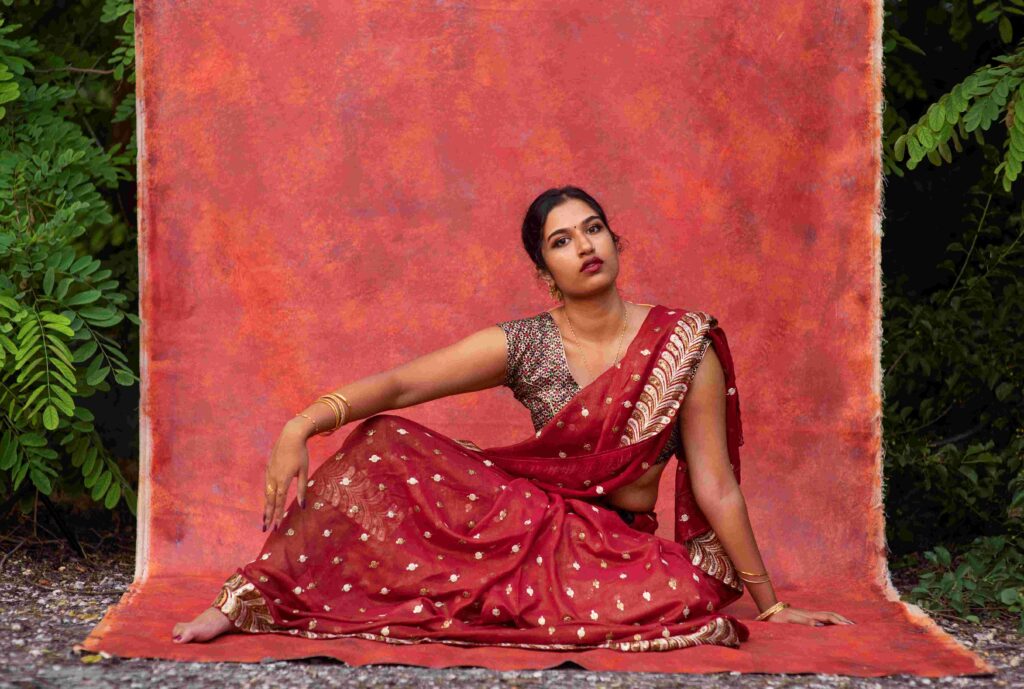

The legacy of traditional Kanchipuram sarees represents one of India’s most treasured textile traditions, originating from the temple town of Kanchipuram in Tamil Nadu. For over four centuries, master weavers in this sacred city have perfected the art of creating silk sarees that epitomize grace, grandeur, and unparalleled craftsmanship. These magnificent garments are not merely clothing but wearable heritage that connects contemporary wearers to centuries of artistic excellence and cultural continuity.
What distinguishes traditional Kanchipuram sarees from other silk varieties is their unique construction technique and distinctive characteristics. Crafted from pure mulberry silk thread, these sarees feature a three-shuttle weaving process where the body, border, and pallu are woven separately and then interlocked together so skillfully that the joint is nearly invisible. This meticulous technique ensures durability and allows for the creation of contrasting borders and pallus that have become signature elements of authentic Kanjeevaram designs.
The richness of traditional Kanchipuram sarees lies significantly in their zari work. Historically, these sarees were woven with genuine gold and silver threads, though today high-quality alternatives maintain the lustrous appearance while making these treasures more accessible. The zari content determines much of the saree’s weight, value, and visual impact. Heavily adorned variants can weigh several kilograms, their substantial feel a testament to the density of precious thread woven into every inch of fabric.
Design motifs in Kanchipuram sarees draw inspiration from temple architecture, mythology, nature, and royal court traditions. Common patterns include peacocks symbolizing beauty, elephants representing strength, parrots signifying love, and temple borders reflecting the architectural grandeur of South Indian temples. Checks, stripes, and floral patterns executed with mathematical precision showcase the weavers’ incredible skill. The large, elaborately designed pallu often becomes the focal point, featuring intricate narratives or geometric patterns that require exceptional expertise to execute.
The color combinations in traditional Kanchipuram sarees demonstrate sophisticated aesthetic sensibilities developed over generations. Classic pairings like red with green, purple with gold, or peacock blue with pink create stunning visual contrasts that have stood the test of time. Temple borders in gold zari against richly colored bodies create the iconic Kanchipuram look recognized worldwide. Contemporary designers have expanded the traditional palette while maintaining the essential character that makes these sarees immediately recognizable.
Creating a single Kanchipuram saree is an extraordinary feat of human skill and patience. Depending on the complexity of design and zari work, a saree can take anywhere from ten days to several months to complete. Weavers work on traditional pit looms, their hands moving with practiced precision through thousands of intricate movements. This handcrafted nature means each saree carries the unique touch of its creator, with minute variations that add character and authenticity impossible to replicate through mechanized production.
The versatility of traditional Kanchipuram sarees makes them suitable for every significant occasion in a woman’s life. Brides across South India traditionally wear Kanchipuram silks for their wedding ceremonies, often in auspicious colors like red, maroon, or orange. The grandeur of these sarees perfectly complements the solemnity and joy of wedding rituals. Beyond weddings, these sarees grace festivals, temple visits, classical dance performances, and any celebration where tradition and elegance are paramount.
Investing in authentic Kanchipuram sarees requires understanding quality markers that distinguish genuine pieces from imitations. The silk mark certification guarantees pure silk, while the handloom mark authenticates handwoven production. Examining the border attachment reveals the three-shuttle weaving technique—in authentic pieces, the border is woven, not stitched. The reverse side of genuine Kanchipuram sarees shows floating threads at design changeovers, evidence of the complex weaving process that machines cannot replicate.
The cultural significance of Kanchipuram sarees extends beyond their beauty to represent important social and ritual functions. In many South Indian families, gifting a Kanchipuram saree marks significant life events—coming of age ceremonies, weddings, childbirth, and milestone birthdays. These sarees become repositories of family memory, often preserved and passed down through generations, each wearing adding to the garment’s story and emotional value.
Modern adaptations have expanded the appeal of traditional Kanchipuram sarees to contemporary audiences without compromising their essential character. Lighter-weight versions suit those unaccustomed to heavy silk, while experimental color combinations and minimalist designs attract younger wearers. Fashion designers have incorporated Kanchipuram silk into fusion wear, creating jackets, skirts, and contemporary outfits that introduce this heritage fabric to new contexts while supporting traditional weaving communities.
The economic and social importance of Kanchipuram weaving cannot be overstated. Thousands of families in and around Kanchipuram depend on this craft for their livelihood, with skills passed down through generations. Purchasing authentic Kanchipuram sarees directly supports these artisan communities, helping preserve invaluable traditional knowledge and providing sustainable livelihoods. This ethical dimension adds another layer of meaning to owning these magnificent textiles.
Caring for Kanchipuram sarees properly ensures their beauty endures for decades. Professional dry cleaning is recommended for heavily embellished pieces to protect delicate zari work. Storage in cotton or muslin fabric rather than plastic prevents moisture damage, while adding camphor or neem leaves deters insects. Periodic gentle airing maintains freshness and allows inspection for any needed repairs, which specialized artisans can execute invisibly using traditional techniques.
Styling heritage Kanchipuram silks offers numerous creative possibilities while respecting traditional aesthetics. The classic Madisar drape showcases these sarees beautifully for temple occasions, while the elegant Nivi style suits formal events. Blouse designs from traditional boat necks to contemporary halter styles can dramatically alter the overall look. Pairing with appropriate jewelry—whether antique temple gold, contemporary diamond sets, or traditional jasmine flowers—completes the ensemble with cultural authenticity or modern flair depending on the occasion.
In conclusion, traditional Kanchipuram sarees represent the pinnacle of Indian textile artistry, combining exceptional craftsmanship, cultural heritage, and timeless beauty in every meticulously woven thread. Owning these sarees means possessing pieces of living history—garments that connect past, present, and future through unbroken traditions of excellence and grace.