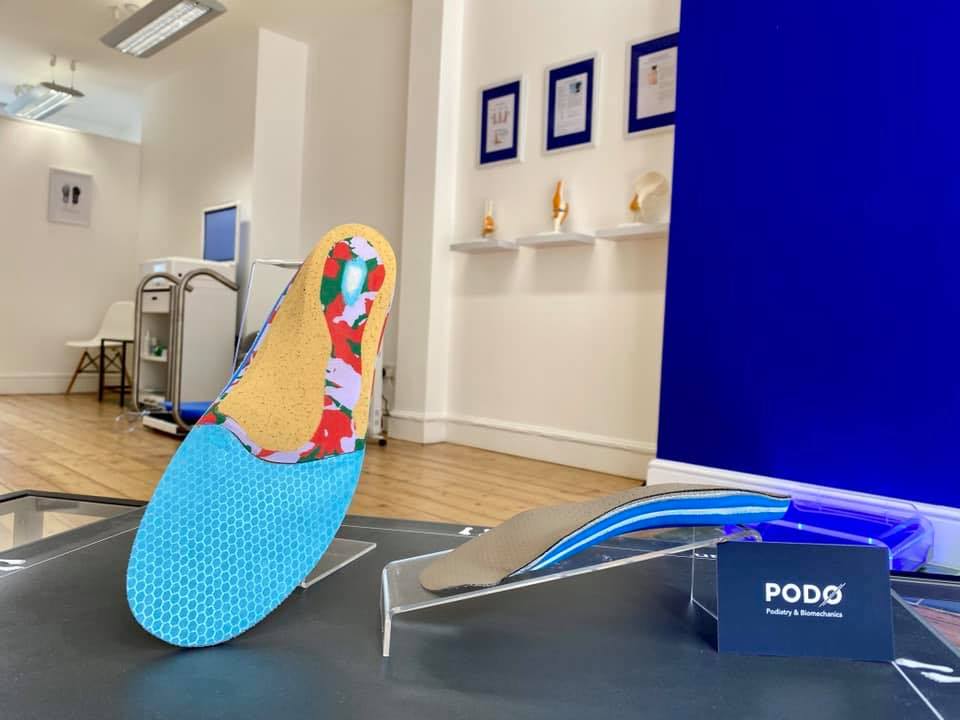

A gait assessment is a detailed evaluation of how a person walks or moves. At PODO London, gait assessment examines the mechanics of the feet, ankles, knees, hips, and overall posture. The goal is to identify inefficiencies or abnormalities in movement patterns that could lead to pain, discomfort, or injury. Using advanced observation and technology, PODO London provides a comprehensive analysis of walking and running mechanics, enabling personalized solutions such as exercises, orthotics, or footwear modifications to improve mobility and reduce the risk of injury.
Importance of Gait Assessment
Many musculoskeletal issues, including foot, knee, hip, and lower back pain, originate from abnormal gait patterns. A gait assessment identifies these biomechanical problems at their source. At PODO London, early detection through gait analysis prevents long-term complications, reduces pain, and enhances functional mobility. Correcting gait abnormalities can improve posture, increase energy efficiency, and reduce strain on muscles and joints. For athletes and everyday individuals alike, a professional gait assessment ensures safer, more efficient movement and supports long-term musculoskeletal health.
Who Can Benefit from a Gait Assessment?
Gait assessment is beneficial for a wide range of individuals. Athletes can improve performance and reduce injury risk. Office workers or people who spend long hours standing benefit from reduced joint strain and improved posture. Children with developmental gait abnormalities and older adults seeking better stability also gain from an assessment. PODO London tailors each evaluation to the individual, ensuring personalized recommendations for footwear, orthotics, exercises, or rehabilitation programs. Anyone experiencing recurring pain or mobility issues can benefit from a professional gait assessment.
The Gait Assessment Process at PODO London
At PODO London, the gait assessment process begins with a detailed consultation. Specialists gather a patient’s medical history, activity levels, and information about any pain or discomfort. Patients are observed walking and, if necessary, running, while specialists analyze stride, foot placement, joint movement, and posture. Advanced technology such as pressure mats, 3D motion capture, and high-speed video analysis is often used to gather precise data. The collected information allows PODO London to design a personalized treatment plan, addressing the root cause of biomechanical issues.
Common Issues Identified During Gait Assessment
A professional gait assessment can uncover several underlying problems. At PODO London, common issues include overpronation, supination, uneven stride length, flat feet, high arches, hip rotation abnormalities, and leg length discrepancies. Detecting these problems early allows for targeted interventions to correct inefficient movement patterns, reduce pain, and prevent chronic injuries. Correcting gait abnormalities enhances balance, posture, and overall functional mobility, supporting better quality of life.
Technology Used in Gait Assessment
Modern gait assessment relies on advanced technology to provide accurate and detailed insights. At PODO London, tools such as force plates, pressure mapping systems, high-speed cameras, and 3D motion capture software are used. These technologies measure joint angles, foot pressure, stride length, and symmetry of movement, identifying subtle abnormalities that may not be visible to the naked eye. Accurate data from PODO London ensures personalized treatment plans that improve efficiency, prevent injuries, and enhance overall mobility.
Benefits of Gait Assessment
The benefits of undergoing a gait assessment at PODO London are extensive. Patients experience reduced pain, improved posture, and enhanced walking and running efficiency. Athletes gain better performance, improved endurance, and decreased injury risk. Older adults benefit from increased stability and balance, while children can correct developmental gait issues early. Early identification and intervention reduce the risk of long-term complications and support optimal musculoskeletal health. PODO London ensures every patient receives a comprehensive plan to improve gait and overall mobility.
Gait Assessment for Athletes
Athletes rely on gait assessment to optimize performance and prevent injuries. At PODO London, specialists analyze running mechanics, stride patterns, foot placement, and joint alignment. Identifying inefficiencies allows for corrective exercises, orthotics, and footwear recommendations to enhance performance while minimizing injury risk. By improving movement efficiency, athletes can increase speed, endurance, and energy utilization. PODO London provides personalized strategies to maintain consistent training and achieve peak performance safely.
Gait Assessment for Children
Children can benefit significantly from gait assessment, particularly those involved in sports or showing developmental gait issues. At PODO London, assessments detect flat feet, toe walking, asymmetrical stride, or other movement abnormalities. Early detection allows interventions such as exercises, orthotics, or monitoring to ensure healthy development. Addressing gait issues early prevents future musculoskeletal problems, supports proper posture, and improves confidence during physical activity. PODO London provides parents with guidance and ongoing support for their child’s foot health and mobility.
Gait Assessment for Older Adults
Age-related changes in foot mechanics, muscle strength, and balance can affect gait. Gait assessment at PODO London identifies these issues and recommends interventions to reduce fall risk and enhance mobility. Solutions may include strengthening exercises, balance training, or custom orthotics. Correcting gait abnormalities in older adults improves stability, reduces pain, and helps maintain independence in daily activities. PODO London provides safe, evidence-based solutions for long-term mobility and quality of life.
How Gait Assessment Leads to Custom Orthotics
One of the most common outcomes of a gait assessment is the recommendation for custom orthotics. At PODO London, orthotics are designed based on precise biomechanical data. They correct abnormal motion, redistribute pressure, and provide targeted support for improved alignment. Unlike generic insoles, PODO London orthotics are personalized to each patient’s anatomy, activity level, and condition. The result is reduced pain, enhanced posture, and improved functional mobility during walking and running.
Exercises and Rehabilitation Following Gait Assessment
After a gait assessment, patients often receive a program of targeted exercises. At PODO London, these exercises strengthen the feet, ankles, hips, and core muscles to support proper alignment. Stretching, balance, and mobility routines improve gait mechanics and reduce the risk of injury. Combined with orthotics or footwear adjustments, these exercises help restore functional movement patterns. PODO London ensures exercises are tailored to the individual and monitored for effectiveness, promoting long-term musculoskeletal health.
Common Conditions Treated Through Gait Assessment
Gait assessment can address a wide range of conditions. At PODO London, common issues include plantar fasciitis, Achilles tendinopathy, shin splints, knee pain, hip pain, lower back discomfort, bunions, flat feet, and high arches. By identifying the biomechanical causes of these conditions, PODO London provides targeted interventions that reduce pain, prevent recurrence, and improve overall mobility. Patients benefit from solutions that address the root cause, not just the symptoms.
Preventing Injuries Through Gait Assessment
One of the main benefits of a professional gait assessment is injury prevention. At PODO London, specialists detect inefficient movement patterns, asymmetries, and stress points that could lead to injuries. Early intervention with orthotics, exercises, or footwear recommendations reduces the risk of chronic injuries. PODO London emphasizes proactive care, allowing patients to maintain consistent activity levels, improve performance, and safeguard musculoskeletal health.
How Long Does a Gait Assessment Take?
A full gait assessment at PODO London typically takes 45–60 minutes. This includes a consultation, observation of walking or running patterns, and technology-based assessments such as pressure mats or motion capture. Following the evaluation, patients receive a detailed report and personalized recommendations, including orthotics, exercises, or footwear adjustments. PODO London ensures each assessment provides actionable insights to improve gait and overall mobility.
Choosing the Right Clinic for Gait Assessment
Selecting a trusted clinic for gait assessment is critical for accurate results. PODO London combines advanced technology, highly trained specialists, and personalized care. Each patient receives a thorough evaluation, accurate diagnosis, and customized interventions. Whether for athletes, children, adults, or older adults, PODO London ensures each assessment delivers meaningful improvements in movement, comfort, and long-term musculoskeletal health.
Booking a Gait Assessment at PODO London
Booking a gait assessment appointment with PODO London is simple and convenient. Patients can schedule online or by phone for a comprehensive consultation. The assessment includes observation, analysis, and personalized recommendations. Early evaluation helps prevent injuries, improve mobility, and reduce pain. PODO London provides expert guidance and tailored solutions for every patient, ensuring long-term benefits for movement, posture, and overall well-being.
Our Clinic Location
28 Mortimer Street, 2nd Floor, London, United Kingdom
Visiting our centrally located clinic makes it easy for patients across London to access expert gait assessment services. Our specialists provide comprehensive evaluations and personalized care to improve mobility, reduce pain, and prevent injuries.
Conclusion
A professional gait assessment at PODO London provides a detailed understanding of how your feet, legs, and body move, helping to identify inefficiencies, prevent injuries, and reduce pain. Whether you are an athlete aiming to improve performance, a child developing healthy gait patterns, or an older adult seeking stability and mobility, PODO London offers personalized solutions tailored to your needs. Through advanced technology, expert analysis, and targeted interventions such as orthotics, exercises, and footwear guidance, patients experience improved posture, enhanced comfort, and long-term musculoskeletal health. Booking a gait assessment at PODO London ensures a proactive approach to your mobility, helping you move safely, efficiently, and confidently every day.
Frequently Asked Questions
What is a gait assessment?
A gait assessment evaluates how your feet, legs, and body move during walking or running. PODO London uses this assessment to detect abnormalities that may cause pain or reduce efficiency.
Who should get a gait assessment?
Anyone with foot, knee, hip, or back pain can benefit. Athletes, children, adults, and older adults can all improve mobility and reduce injury risk through a gait assessment at PODO London.
Does a gait assessment use technology?
Yes. PODO London uses tools like pressure mats, high-speed cameras, and motion capture to analyze gait patterns and provide precise recommendations.
Will I need orthotics after a gait assessment?
Not all patients require orthotics, but many benefit from custom orthotics designed based on the gait assessment to correct alignment and reduce pain.
How long does a gait assessment take?
A complete gait assessment at PODO London usually takes 45–60 minutes, including consultation, observation, and technology-based analysis.
Can children benefit from gait assessment?
Yes. Children with developmental gait issues or involved in sports can benefit from early detection and intervention through gait assessment at PODO London.
Can gait assessment prevent injuries?
Absolutely. PODO London identifies inefficient movement patterns and corrects them with orthotics, exercises, or footwear recommendations to prevent injuries.