
Losing a tooth can be more than just a cosmetic concern. It can affect your ability to chew properly, impact your speech, and even influence your self-confidence. Many people think that tooth loss is only a problem for older adults, but it can happen at any age due to accidents, decay, or gum disease. Fortunately, modern dentistry offers reliable solutions that restore not only your smile but also the functionality of your teeth. One of the most effective and long-lasting options available today is dental implants.
Take the Cricket Quiz & Try Our Free Flip a Coin
If you are looking for dental implants dubai, understanding what they are, how they work, and the benefits they provide can help you make an informed decision about your oral health. Dental implants are widely recognized as a permanent solution to tooth loss, offering strength, stability, and natural aesthetics.
What Are Dental Implants?
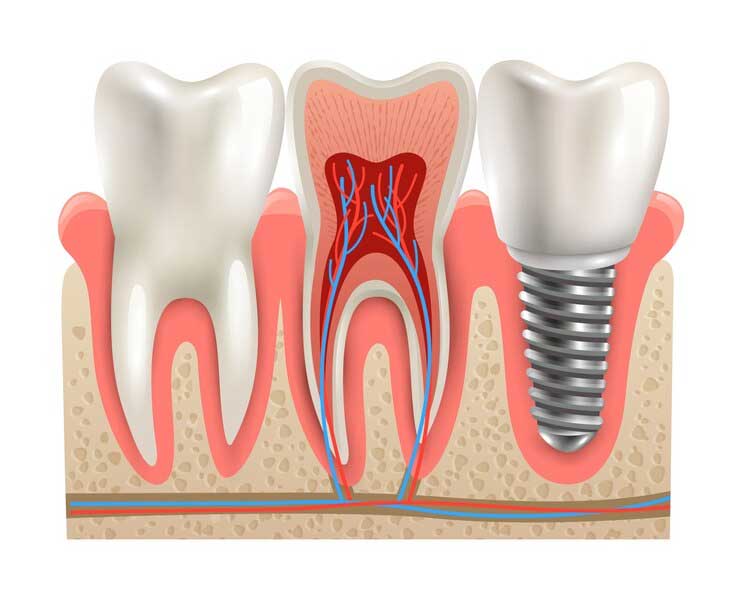
Dental implants are small, screw-like posts, usually made of titanium, that are surgically placed into the jawbone to act as artificial tooth roots. Once implanted, they provide a strong foundation for a replacement tooth, crown, bridge, or even a full denture. Unlike traditional dentures, which sit on the gums, dental implants integrate with your jawbone through a process called osseointegration. This fusion makes the implant extremely stable and durable, mimicking the strength and function of a natural tooth.
Dental implants can replace a single tooth, multiple teeth, or even an entire arch of teeth. This flexibility makes them suitable for almost anyone experiencing tooth loss, whether from injury, dental decay, or other oral health issues.
Types of Dental Implants
There are several types of dental implants, and the choice depends on your specific dental needs and jaw structure. The main types include:
- Endosteal Implants:
These are the most common type of dental implants. They are placed directly into the jawbone and are usually shaped like small screws. Endosteal implants are ideal for patients with healthy jawbones and sufficient bone density. - Subperiosteal Implants:
These implants are placed under the gum but on or above the jawbone. They are typically used for patients who do not have enough healthy jawbone to support endosteal implants and may not want to undergo bone grafting. - Zygomatic Implants:
These are less common and are used in cases of severe bone loss in the upper jaw. Zygomatic implants are anchored in the cheekbone rather than the jawbone, providing an alternative solution for patients who cannot have traditional implants.
Each type of implant requires careful evaluation by a dental professional to ensure the best fit and long-term success.
Looking for electrical panel manufacturer ? We’re Here to Help!
Who Is a Candidate for Dental Implants?
Not everyone is immediately suitable for dental implants. Ideal candidates should have:
- Good overall health
- Healthy gums free from disease
- Adequate jawbone density to support the implant
Even if you have some bone loss, advanced techniques like bone grafting can prepare your jaw for implants. Chronic conditions such as diabetes or smoking may affect healing, but with proper management, many patients with these conditions can still receive implants.
Dental implants are also suitable for adults of all ages. While children and teenagers may not be candidates due to ongoing jaw development, most adults can safely undergo the procedure if they meet the necessary criteria.
The Dental Implant Procedure
Understanding the steps involved in dental implants can help reduce any anxiety and prepare you for the process. Here’s a general outline of what to expect:
1. Consultation and Assessment
The first step involves a comprehensive dental examination. Your dentist will review your medical history, perform X-rays or 3D scans, and assess your jawbone structure. This evaluation ensures that dental implants are a safe and viable option for you.
2. Tooth Extraction (If Needed)
If the tooth is damaged or decayed, it may need to be extracted before placing the implant. Some patients may already have missing teeth, in which case this step can be skipped.
3. Bone Grafting (If Needed)
Patients with insufficient bone density may require bone grafting. This procedure strengthens the jawbone and creates a stable foundation for the implant. Recovery from bone grafting can take a few months, but it significantly improves the success rate of dental implants.
4. Implant Placement
During the implant surgery, the dentist places the titanium post into the jawbone. This is usually done under local anesthesia, although sedation may be offered for anxious patients. After placement, the implant site is left to heal for several months as the jawbone fuses with the implant.
5. Abutment Placement
Once the implant has fully integrated, an abutment is attached. The abutment acts as a connector between the implant and the replacement tooth.
6. Placement of the Crown
Finally, a custom-made crown is attached to the abutment. The crown is designed to match the color, shape, and size of your natural teeth, resulting in a seamless, natural-looking smile.
Benefits of Dental Implants
Dental implants offer numerous advantages over traditional tooth replacement methods like dentures or bridges. Some key benefits include:
- Long-Term Solution:
With proper care, dental implants can last a lifetime, making them a more durable option than dentures, which often need replacement every 5–10 years. - Natural Look and Feel:
Dental implants are designed to look and feel like your natural teeth. They blend seamlessly with your smile, boosting both appearance and confidence. - Improved Oral Health:
Unlike dental bridges, implants do not require the alteration of adjacent teeth. This helps maintain the health and structure of your remaining natural teeth. - Enhanced Chewing and Speaking Ability:
Dental implants function like natural teeth, allowing you to eat and speak comfortably without worrying about slippage or discomfort. - Bone Preservation:
Implants stimulate the jawbone, preventing bone loss that typically occurs after tooth loss. This preserves the shape of your face and prevents a sunken appearance. - Convenience:
Dental implants eliminate the need for messy adhesives used with dentures and the need for frequent adjustments. Cleaning implants is similar to caring for natural teeth.
Aftercare and Maintenance
Caring for dental implants is relatively simple but crucial for long-term success. Key aftercare steps include:
- Good Oral Hygiene: Brush at least twice a day and floss regularly to prevent gum disease.
- Regular Dental Checkups: Schedule professional cleanings and checkups every 6 months.
- Avoid Harmful Habits: Limit smoking and avoid chewing hard items that could damage the implant.
- Healthy Diet: Maintain a balanced diet to support overall oral and bone health.
With proper care, dental implants can last many decades, often for the rest of your life.
Common Concerns About Dental Implants
Many patients have questions or concerns before undergoing the procedure. Here are some common ones:
- Is the procedure painful?
Dental implant surgery is usually performed under local anesthesia, so pain during the procedure is minimal. Some mild discomfort or swelling may occur after surgery, but it can be managed with over-the-counter pain medications. - How long does the process take?
The complete process can take several months, especially if bone grafting is needed. However, the long-term benefits often outweigh the waiting period. - Are implants safe?
Dental implants have a high success rate—often over 95%. Choosing an experienced dentist and following proper aftercare significantly reduces risks. - Can anyone get implants?
Most adults are candidates, but those with uncontrolled chronic conditions or insufficient bone may require additional treatment or evaluation.
Why Choose Dental Implants in Dubai?
Dubai is home to some of the most advanced dental facilities and highly skilled professionals. The city offers state-of-the-art technology, high-quality materials, and internationally trained dentists who specialize in dental implants. Patients benefit from comprehensive care, from initial consultation to aftercare, ensuring a smooth and successful treatment experience.
Moreover, dental clinics in Dubai often combine expertise with a patient-centered approach, making sure each treatment plan is customized to meet individual needs. Whether you need a single tooth replacement or a full-mouth restoration, dental implants in Dubai provide a reliable and long-lasting solution.
Conclusion: Trust the Experts for Dental Implants
For anyone seeking a permanent solution to missing teeth, dental implants cost in dubai offer unmatched durability, comfort, and aesthetics. These modern dental solutions restore your smile, improve oral health, and enhance your quality of life.
Dr. Philippe Chanavaz, a trusted expert in dental implantology, provides personalized treatment plans designed to meet each patient’s unique needs. With years of experience and advanced technology, Dr. Chanavaz ensures that every patient achieves a natural-looking, long-lasting smile.
If you are considering dental implants, consulting with an experienced dentist like Dr. Philippe Chanavaz is the first step toward a confident and healthy smile. Don’t let missing teeth affect your life—explore your dental implant options today.



Pingback: The Timeless Appeal of Maltesers Chocolate - Blogging Arena