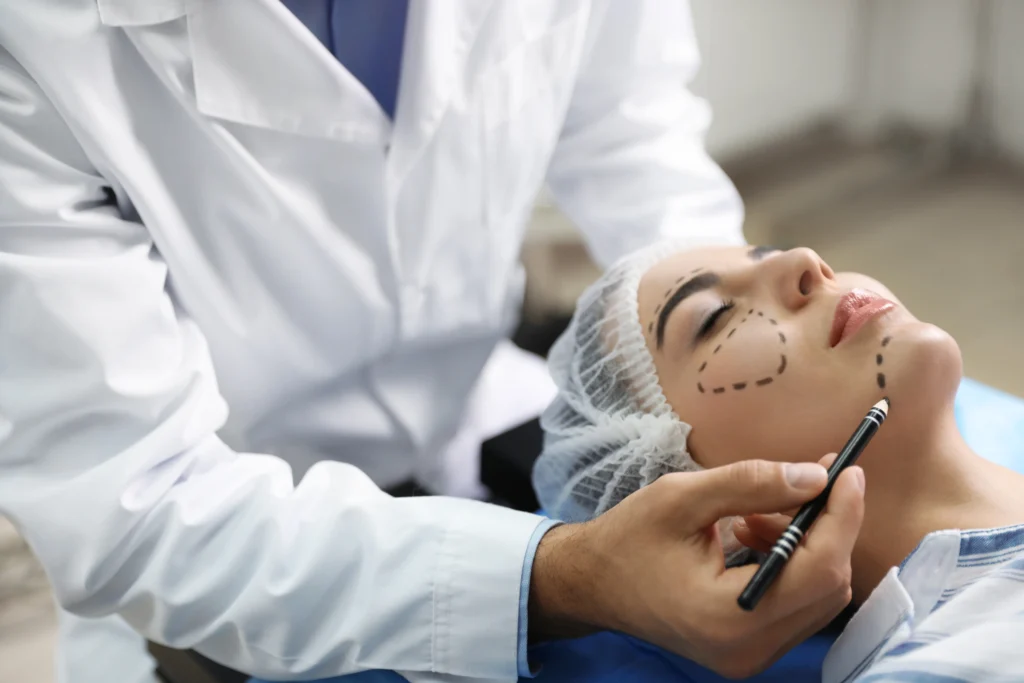

The eyes are often the first feature people notice. They communicate energy, emotion, and age. Unfortunately, they are also one of the earliest areas to show signs of aging. Loose skin, puffiness, drooping lids, and under-eye bags can make someone appear tired even when they feel fully rested.
Cosmetic eyelid surgery, also known as blepharoplasty, is designed to refresh and rejuvenate the eye area. By removing or repositioning excess skin and fat, the procedure can create a smoother, firmer, and more alert appearance while still looking natural.
If you’re considering eyelid surgery, understanding the process, benefits, recovery, and candidacy is essential. This guide walks you through everything you need to know.
What Is Cosmetic Eyelid Surgery?
Blepharoplasty is a surgical procedure that improves the appearance of the upper eyelids, lower eyelids, or both.
Depending on the patient’s needs, surgery may address:
- Sagging skin that creates folds
- Puffiness from displaced or excess fat
- Bags under the eyes
- Drooping that can interfere with vision
- Fine wrinkles in the lower lid region
While many patients seek treatment for aesthetic reasons, upper eyelid surgery can sometimes also improve peripheral vision when heavy skin obstructs sight.
Why the Eye Area Ages Quickly
The skin around the eyes is thinner and more delicate than elsewhere on the face. Over time, collagen and elastin decrease, muscles weaken, and fat can bulge or shift.
Common contributors include:
- Natural aging
- Sun exposure
- Genetics
- Smoking
- Stress and lack of sleep
Because the eyes are central to facial expression, even small changes can have a major impact on overall appearance.
Upper vs. Lower Eyelid Surgery
Though often performed together, upper and lower blepharoplasty target different concerns.
Upper Eyelid Surgery
Upper eyelid procedures typically focus on removing excess skin that causes hooding. In some cases, small fat deposits are reshaped. The goal is a cleaner eyelid contour that restores a more open, youthful look.
Incisions are usually hidden within the natural crease, making scars difficult to see once healed.
Lower Eyelid Surgery
Lower eyelid surgery addresses under-eye bags, puffiness, and sometimes loose skin. Surgeons may reposition fat rather than remove it to avoid a hollow appearance.
Incisions can be placed just below the lash line or inside the eyelid, depending on the technique used.
Who Is a Good Candidate?
Good candidates for cosmetic eyelid surgery are generally healthy adults who have realistic expectations about results.
You may be a strong candidate if you have:
- Drooping upper lids
- Persistent under-eye bags
- A tired or aged appearance
- No serious eye conditions
A consultation with a qualified surgeon is necessary to determine suitability. They will evaluate anatomy, medical history, and aesthetic goals.
What Happens During the Procedure?
Blepharoplasty is often performed as an outpatient surgery. Depending on complexity, it may use local anesthesia with sedation or general anesthesia.
During the procedure, the surgeon carefully removes or repositions tissue and then closes incisions with fine sutures. Precision is critical, as small adjustments can significantly influence the final look.
Surgery usually takes one to three hours.
Recovery and Healing
Recovery from eyelid surgery is generally faster than many other facial procedures, but it still requires patience.
Immediately After Surgery
Patients can expect:
- Swelling
- Bruising
- Temporary dryness or irritation
- Sensitivity to light
Cold compresses and prescribed medications help manage discomfort.
First Two Weeks
Most visible bruising improves within 10 to 14 days. Many patients feel comfortable returning to social activities after this period, sometimes with makeup to conceal residual discoloration.
Long-Term Healing
Subtle swelling may persist for several weeks or months. Final results become more apparent as tissues settle and scars fade.
Results: What Can You Expect?
The aim of cosmetic eyelid surgery is refreshment, not drastic change. Successful outcomes help patients look like a more rested, youthful version of themselves.
Results typically include:
- Brighter, more open eyes
- Smoother lid contours
- Reduced puffiness
- Improved symmetry
Because the procedure does not stop aging, the natural process will continue. However, improvements often last many years.
Combining Eyelid Surgery with Other Treatments
Some patients choose to enhance results by combining blepharoplasty with complementary procedures.
For example, a brow lift can correct sagging eyebrows that contribute to upper-lid heaviness. Skin resurfacing treatments may reduce fine lines.
Your surgeon can recommend whether combination therapy would provide better harmony and balance.
Risks and Safety Considerations
As with any surgery, blepharoplasty carries potential risks. These may include infection, dry eyes, temporary blurred vision, or asymmetry.
Serious complications are rare when the procedure is performed by a qualified, experienced surgeon. Careful planning and following post-operative instructions significantly reduce risk.
Choosing the right provider is essential for both safety and aesthetics.
Selecting a Surgeon
Look for a professional certified by the American Board of Plastic Surgery or an equivalent authority in your country.
Review before-and-after images, read patient testimonials, and ensure you feel comfortable asking detailed questions. A trustworthy surgeon will be honest about achievable results and potential limitations.
If you ever feel rushed or pressured, consider it a warning sign.
Emotional and Psychological Benefits
While cosmetic eyelid surgery changes physical features, its emotional impact can also be meaningful.
Patients frequently report feeling:
- More confident in social settings
- Happier with photographs
- Less self-conscious at work
- Better aligned with how energetic they feel inside
However, surgery should never be pursued to meet someone else’s expectations.
Non-Surgical Alternatives
For individuals with mild concerns or those not ready for surgery, non-invasive treatments may offer improvement.
Injectables, skin tightening technologies, and medical-grade skincare can sometimes reduce early signs of aging. These options usually provide temporary, subtler changes compared with surgery.
A consultation can clarify which approach best fits your goals.
Preparing for Your Consultation
To make the most of your appointment:
- Bring a list of medications
- Be ready to discuss medical history
- Share what you like and dislike about your eye area
- Ask about recovery time and limitations
Clear communication leads to better results.
Final Thoughts
Cosmetic eyelid surgery is one of the most effective ways to restore a youthful, refreshed appearance. By addressing sagging skin and puffiness, blepharoplasty can help your outer appearance better reflect how vibrant you feel inside.
The key to success lies in education, realistic expectations, and choosing a skilled surgeon who prioritizes natural outcomes and patient safety.
With thoughtful planning, many people find the procedure to be a rewarding step toward renewed confidence.