
Ever wondered why some fabricators seem to breeze through projects while others struggle with every bend and cut? Could it be their skill level, or is there something more fundamental at play? What if the secret lies not just in technique, but in having the right sheetmetal tools for the job?
Selecting the proper metal fabrication tools can make or break your workshop’s productivity. Whether you’re setting up your first garage workspace in Brisbane or upgrading a commercial metal fab shop in Melbourne, the equipment you choose directly impacts the quality of your finished products. Getting this decision right from the start saves you time, money, and countless headaches down the track.
In this guide, we’ll explore everything you need to know about choosing metalworking tools for your specific needs. From essential hand tools that every beginner should own, to advanced metal shaping equipment for high-volume production, we’ve got you covered. You’ll learn how to evaluate metal fabrication tools for sale, avoid common purchasing mistakes, and set up your fabrication workshop tools for maximum efficiency. Let’s get stuck into it!
Understanding the Basics of Metal Fabrication Tools
What Are Sheetmetal Tools and Why Do You Need Them?
Sheetmetal tools encompass everything used to cut, shape, bend, and join thin metal sheets. These metalwork tools range from simple hand snips to sophisticated CNC machines. Without the right equipment, even skilled fabricators find themselves limited in what they can achieve.
The beauty of proper steel working tools lies in their precision. Quality metal forming tools allow you to create consistent bends, clean cuts, and professional finishes. This consistency matters whether you’re crafting custom car panels or manufacturing HVAC ducting.
The Difference Between Hand Tools and Power Equipment
Hand metal working tools offer control and portability that power equipment simply can’t match. Metal shaping hand tools like seamers, stakes, and hammers let you feel the metal as you work it. They’re perfect for detailed work and small adjustments.
Power equipment, on the other hand, delivers speed and repeatability. A quality machine tool setup can process hundreds of identical parts in the time it takes to hand-form a handful. For high-volume production, investing in powered metal forming tools becomes essential.
How Do I Know Which Metalworking Tools Are Right for My Workshop?
Consider your typical projects first. Are you doing one-off custom pieces or batch production? Think about the materials you work with most often—aluminium requires different steel forming tools than stainless steel. Your available space and budget also play crucial roles in this decision.
.jpg)
Essential Sheet Metal Forming Hand Tools for Every Workshop
Must-Have Metal Shaping Hand Tools for Beginners
Starting out in metalworking doesn’t require a massive investment. A solid set of aviation snips—left, right, and straight cut—covers most basic cutting needs. Add a quality ball-peen hammer, a rubber mallet, and a basic stake set, and you’re ready to tackle beginner projects.
Don’t overlook measuring and marking tools either. A steel rule, scribe, and square ensure accuracy from the very first cut. These sheet metal forming hand tools form the foundation of every successful fabrication workshop.
Steel Working Tools for Intermediate Fabricators
As your skills develop, so should your toolkit. Intermediate fabricators benefit enormously from dedicated bending tools like a bench-mounted brake. Throatless shears expand your cutting capabilities beyond what hand snips can achieve.
A proper anvil and a broader range of forming stakes open up new possibilities. Metal works tools at this level allow you to create complex curves and compound shapes. Consider adding a planishing hammer to refine your surface finishes.
What Hand Metal Working Tools Do Professionals Use?
Professional fabricators rely on precision instruments alongside their standard metalworking hand tools. English wheels, beading machines, and shrinker-stretcher combos feature prominently in pro workshops. These tools metal professionals use daily produce results that would be impossible with basic equipment alone.
Seasoned fabricators also invest in specialised stakes and dollies for specific applications. Their metal shaping tools often include custom-made pieces designed for particular jobs. Quality matters tremendously at this level—professionals know that premium tools pay for themselves through better results and longer service life.
Metal Shaping Equipment: From Basic to Advanced
Steel Forming Tools for Precision Work
Precision fabrication demands equipment that delivers consistent, repeatable results. Manual finger brakes with accurate gauges allow controlled bends to exact specifications. Rotary machines handle curves and beads with impressive accuracy.
For truly precise work, consider tools with digital readouts or adjustable stops. These steel shaping tools remove guesswork from the equation. When tolerances matter, investing in precision equipment makes all the difference.
Metal Forming Tools for High-Volume Production
Production environments require robust equipment built for continuous operation. Hydraulic presses, power shears, and automated brakes dramatically increase output. These metal forming tools handle repetitive tasks without operator fatigue affecting quality.
The initial investment in production-grade metal shaping equipment pays dividends through increased efficiency. A single powered machine can replace hours of manual labour. For Australian workshops competing on price, this productivity boost becomes essential.
Is It Worth Investing in Quality Machine Tool Equipment?
Absolutely. Quality machine tool equipment costs more upfront but delivers superior performance and longevity. Cheap alternatives often produce inconsistent results and require frequent replacement. Over time, premium fabrication workshop tools actually cost less per part produced.
Think of it as an investment in your business’s reputation. Clients notice when your work stands above the competition. Quality steel working tools help you deliver that difference consistently.
Welding and Metal Fabrication Tools: A Complete Overview
Integrating Welding Tools Into Your Fabrication Workshop
Welding and metal fabrication tools work hand-in-hand in most professional settings. Your welding equipment should complement your forming capabilities. Consider your primary materials when selecting welders—MIG for production speed, TIG for precision and aesthetics.
Position your welding station near your assembly area for efficient workflow. Proper ventilation and safety equipment aren’t optional; they’re essential components of any metal fab shop tools setup. Fume extraction, welding curtains, and quality PPE protect your health and your team’s wellbeing.
What Welding Equipment Pairs Best With Metal Fab Shop Tools?
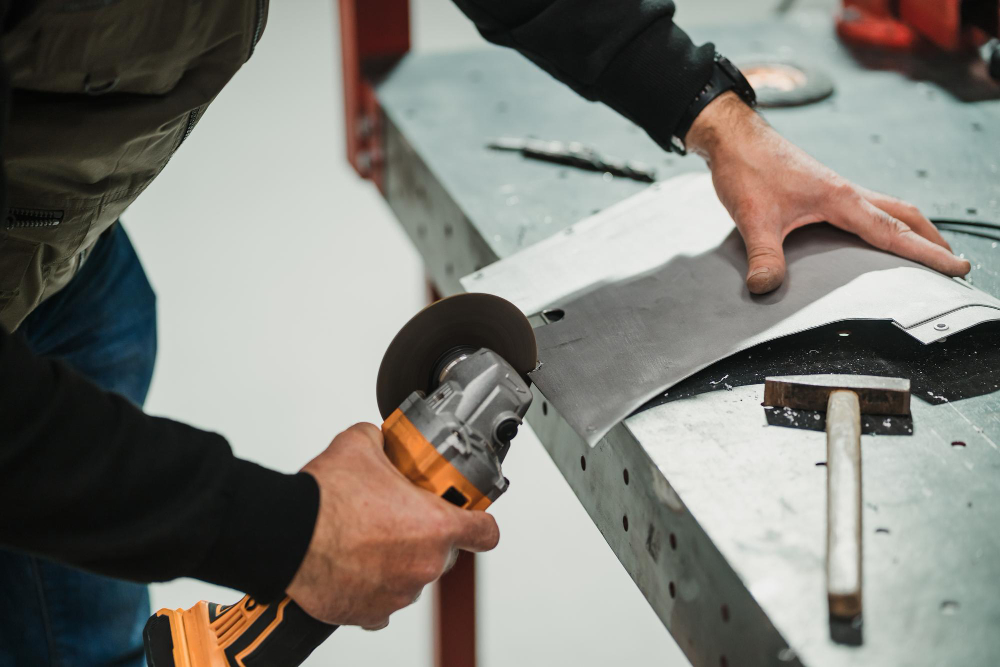
Multi-process welders offer flexibility that suits diverse fabrication work. A machine capable of MIG, TIG, and stick welding covers most situations you’ll encounter. Pair this with appropriate gas supplies, quality consumables, and a reliable grinder for weld preparation and cleanup.
Spot welding services near cuyahoga falls ohio and resistance welding equipment excel for sheet metal assembly. These tools speed up production while creating clean, consistent joints. For automotive or furniture fabrication, they’re particularly valuable additions to your metal working shop tools collection.
How to Choose Metal Fabrication Tools for Sale?
Key Features to Look for in Sheet Metal Forming Tools for Sale
When evaluating sheet metal forming tools for sale, examine build quality first. Heavy-gauge steel construction indicates durability. Check moving parts for smooth operation and minimal play—precision depends on tight tolerances.
Look for established brands with good reputations and available spare parts. Metal fabrication tools for sale from reputable manufacturers come with proper documentation and support. Warranty terms reveal manufacturers’ confidence in their products.
New vs Second-Hand: What Should Australian Workshops Consider?
Second-hand metal man tools can offer excellent value, particularly for established brands. Inspect thoroughly before purchasing—wear in critical areas affects performance significantly. Metalman tools with documented service histories present lower risk than mystery equipment.
New equipment provides warranties and predictable performance. For production-critical applications, the reliability of new metalwork tools often justifies the premium. Balance your budget against your tolerance for potential downtime and repairs.
How Much Should I Spend on Metalwork Tools?
Budget according to your intended use and expected return. Hobbyists can start with modest investments in basic tools. Commercial operations should allocate appropriately for equipment that won’t limit their capabilities or productivity.
A sensible approach involves buying the best quality you can afford for frequently-used tools. Items used occasionally can be more budget-friendly. This strategy maximises value while ensuring your primary metal works tools deliver professional results.
Setting Up Your Fabrication Workshop Tools
Organising Your Metal Working Shop Tools for Efficiency
Logical workshop layout dramatically improves productivity. Position equipment to follow your typical workflow—cutting stations feeding into forming areas, which lead to assembly and welding zones. Minimise unnecessary movement between operations.
Proper storage keeps tools accessible and protected. Shadow boards for metalworking hand tools make organisation easy. Heavy equipment needs stable, level positioning for safe operation and accurate results.
Safety Considerations When Using Steel Shaping Tools
Safety must be non-negotiable in any workshop using steel shaping tools. Proper guards on machinery, appropriate PPE, and adequate training protect everyone. Never bypass safety features to save time.
Keep your workspace clean and well-lit. Metal offcuts create trip hazards and can cause nasty cuts. Good housekeeping isn’t just about appearance—it’s a fundamental safety practice.
.jpg)
Common Mistakes When Buying Metalworking Tools
What Are the Biggest Errors Beginners Make?
Beginners often buy too much too soon, accumulating metal forming tool options they rarely use. Start with essentials and expand as needed. Another common mistake involves prioritising price over quality for frequently-used items.
Overlooking consumables and accessories also catches newcomers out. That bargain welder means nothing without gas, wire, and proper electrodes. Budget for complete setups, not just headline equipment.
How to Avoid Overspending on Metal Works Tools?
Research thoroughly before purchasing. Understand what you actually need versus what would be nice to have. Talk to experienced fabricators about their recommendations—their insights often prove invaluable.
Consider hiring specialised equipment for occasional jobs rather than purchasing. This approach keeps your capital free while still accessing capabilities when needed.
Building Your Ideal Metalworking Toolkit
Choosing the right sheetmetal tooling transforms your workshop from a struggle into a space where creativity flows freely. We’ve covered the essentials—from understanding basic tool categories through to avoiding common purchasing pitfalls. The key lies in matching your equipment to your actual needs and skill level.
Quality matters tremendously in this field. Investing in proper metal fabrication tools pays returns through better work, increased efficiency, and genuine job satisfaction. Whether you’re just starting your metalworking journey or upgrading an established operation, thoughtful equipment choices set you up for success.
Take your time with these decisions. Visit suppliers, handle equipment before buying, and don’t hesitate to ask questions. Your ideal toolkit awaits—build it wisely, and it’ll serve you brilliantly for years to come. Happy fabricating!